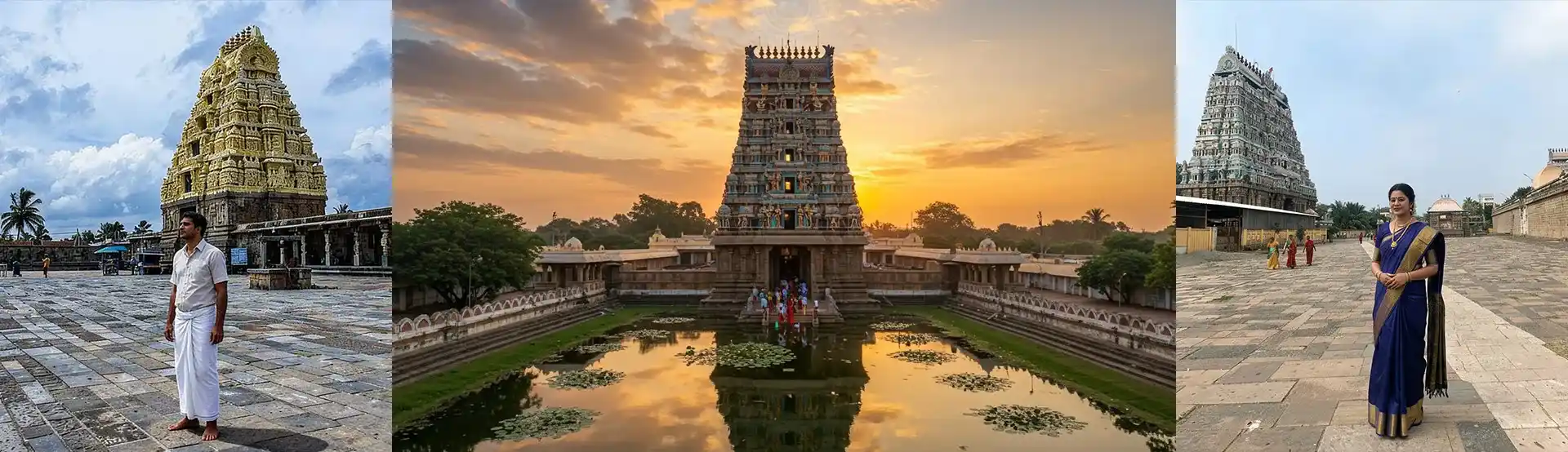
Visitors to Sri Govindaraja Swamy Temple in Tirupati should wear clean, modest, and traditional clothes. Men should wear a dhoti, pajama, or full trousers with a shirt or upper cloth. Women should wear a saree, half-saree, salwar kameez, or churidar with a dupatta or upper cloth. Shorts, mini-skirts, sleeveless tops, low-waist jeans, short T-shirts, and revealing clothes should be avoided. Footwear must be removed before entering the temple area.
Simple rule: cover the shoulders and knees, keep the outfit neat, and dress like we are entering a holy place, not a casual hangout spot. TTD’s official dress code says men should wear a dhoti or pajamas with an upper cloth, and women should wear a saree, half-saree, or churidar with an upper cloth.
What Is the Govindaraja Temple Dress Code?
Sri Govindaraja Swamy Temple is a place of worship, where people come to pray, bow their heads, and feel connected to God. When a place has that kind of religious meaning, the way visitors dress also matters. Clothes should reflect the temple’s calm, respectful atmosphere. That is why casual or revealing outfits are not seen as suitable.
The dress code also helps keep the temple space peaceful for everyone. Some visitors come with families, elders, children, and deep faith. If someone walks in wearing clothes that feel too short, too open, or too casual, it can look out of place.
What Should Men Wear to Govindaraja Temple?
Here’s what!
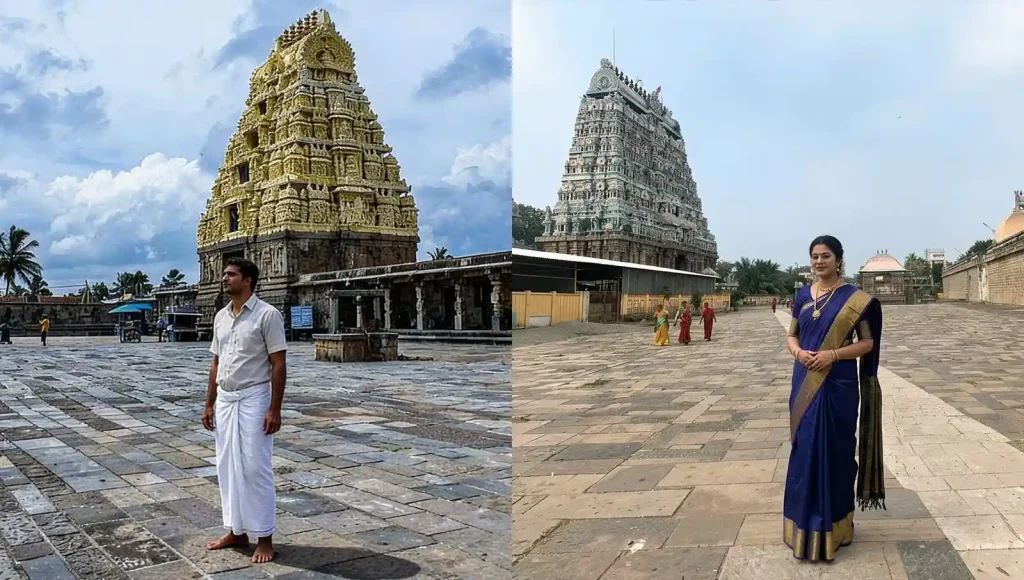
Dhoti or Veshti with Upper Cloth
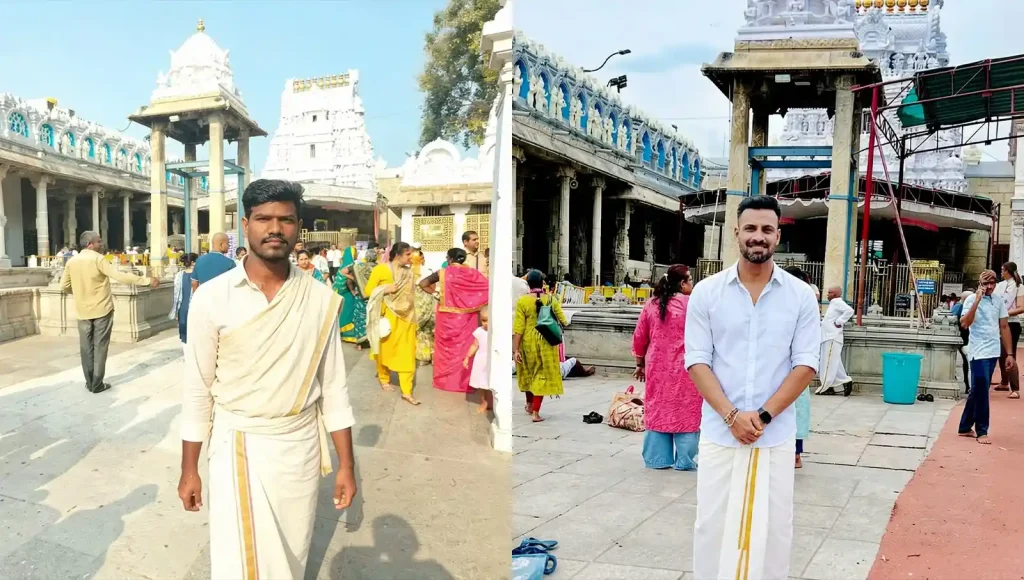
For men, the safest traditional choice is a dhoti or veshti with an upper cloth. A dhoti or veshti is a long cloth wrapped around the waist and legs, mostly worn during temple visits and religious events. An upper cloth is a cloth placed over the shoulders or upper body. This outfit fits the temple setting very naturally and remains respectful without leaving anyone guessing whether the clothes are allowed.
This option is especially good for special darshan or seva. Darshan means seeing and praying before the deity, the sacred form of God within the temple. Seva means a special temple prayer service. For these visits, traditional clothing is usually taken more seriously, so a dhoti or veshti is the safest move. No outfit stress, no entrance confusion, just clean and proper.
Pajama with a shirt or Upper Cloth
A pajama with a shirt or upper cloth is another good choice for men. Here, pajama does not mean nightwear. It means loose traditional pants worn with a shirt, kurta, or upper cloth. This outfit is simple, modest, and easier to manage than a dhoti for many visitors.
It also works well for long temple visits because it is comfortable for walking, standing, and waiting. The shirt should be clean, simple, and not sleeveless. Loud prints, rude graphics, or very casual tops should be avoided. The goal is not to look extra. The goal is to look respectful and feel comfortable.
Full Trousers with a Shirt
Full trousers with a shirt can also work if the outfit is neat and modest. These are pants that cover the legs completely. They should not be ripped, too tight, or low-waist. Low-waist means pants that sit too low and may show the waist or back while sitting or bending.
A simple shirt makes the outfit look more temple-ready. Sleeveless shirts, gym vests, very short T-shirts, or beach-style tops should be skipped. If someone is unsure, traditional clothing is always the safer choice. It removes the guessing game completely.
Kurta Pajama for a Comfortable Visit
Kurta pajama is a very easy and comfortable option for men. A kurta is a long shirt, usually worn with loose pants. It gives a traditional look without feeling too heavy or hard to manage. For visitors who want something simple but still proper, this is a solid choice.
A light cotton kurta pajama can also help in warm weather. Cotton is a soft fabric that lets air pass through, so the body feels less hot. Since temple visits can involve walking and waiting, comfort matters more than people think.
What Men Should Avoid Wearing
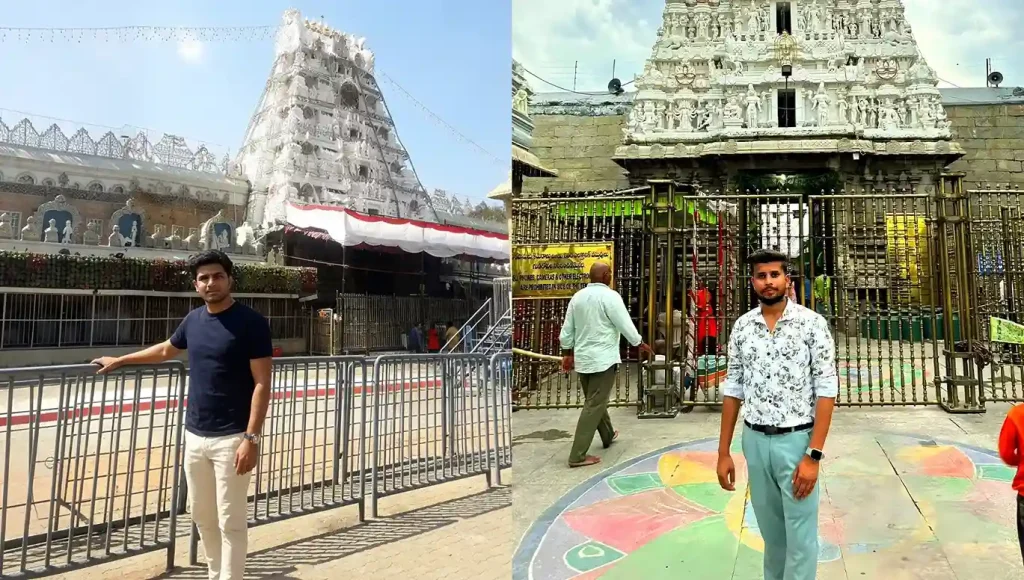
Men should avoid shorts, sleeveless tops, low-waist jeans, torn jeans, gymwear, beachwear, and very short T-shirts. Shorts may feel cool in hot weather, but they are too casual for a temple. Torn jeans and gym clothes may look normal outside, but they do not match a sacred space.
Transparent or very tight clothes should also be avoided. Transparent means see-through, where the body or inner clothes can be seen. If the outfit makes someone think, “Will this be allowed?” it is better to change before leaving. Temple dressing should be simple, not risky.
What Should Women Wear to Govindaraja Temple?
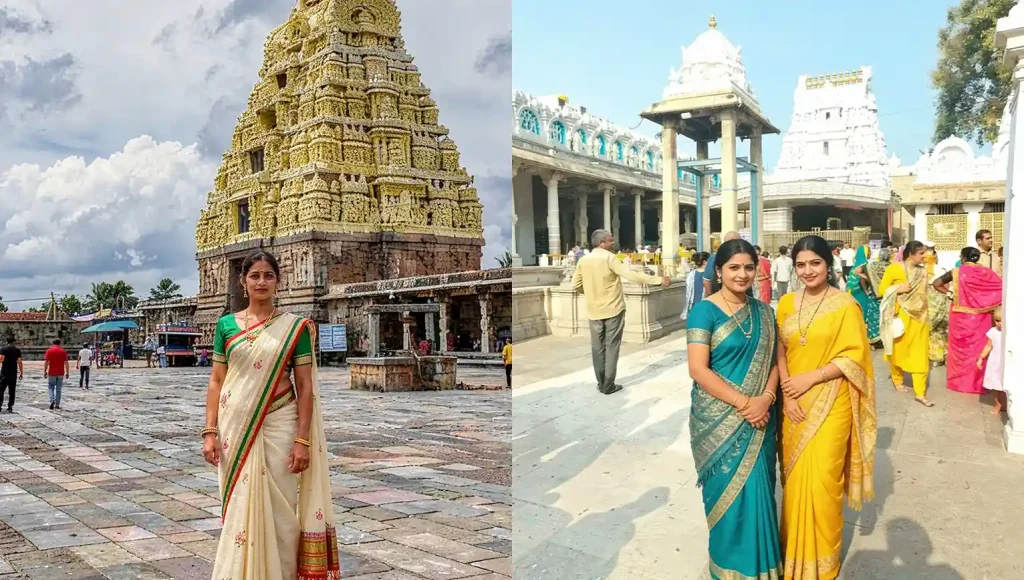
Here’s what!
Saree for a Traditional Temple Visit
A saree is one of the safest and most traditional choices for women visiting Govindaraja Temple. A saree is a long cloth wrapped around the body and usually worn with a blouse. When neatly draped, it provides proper coverage and fits the temple setting very well.
The blouse should also be modest. Very deep necklines, sleeveless blouses, or very short blouses should be avoided. The saree should cover the shoulder, chest, and waist area properly. It does not need to be fancy or heavy. It just needs to be clean, neat, and respectful.
Half-Saree with Blouse
A half-saree is also a good traditional option for women. It usually includes a skirt, blouse, and draped cloth. This outfit is common in South Indian culture and can look very suitable for temple visits when worn modestly.
The blouse should not be too short, too tight, or too open. The draped cloth should cover the upper body properly. If the outfit needs constant fixing, it may not be the best choice for a temple visit. The better option is always the one that stays comfortable and covered.
Salwar Kameez with Dupatta
Salwar kameez is one of the easiest and most comfortable choices for women. It has a long top and loose pants, so it gives good coverage without feeling difficult to manage. When worn with a dupatta, it becomes even more temple-friendly.
A dupatta is the long scarf worn over the shoulders or chest. It helps cover the upper body and completes the outfit. This is a great choice for visitors who want something modest, easy to walk in, and not too formal. Honestly, it just makes the whole visit smoother.
Churidar with Upper Cloth
Churidar is another suitable outfit for women. It is a traditional, fitted pant worn with a longer top, or kurta. Since the pants are fitted, the top should be long enough to keep the outfit modest. A dupatta or upper cloth should also be worn for proper coverage.
This outfit is good because it is traditional but still easy to move in. A longer kurta gives better coverage and feels more temple-appropriate. Short kurtis should be avoided because they may not cover enough. The safest version is a long kurta, churidar, and dupatta.
What Women Should Avoid Wearing
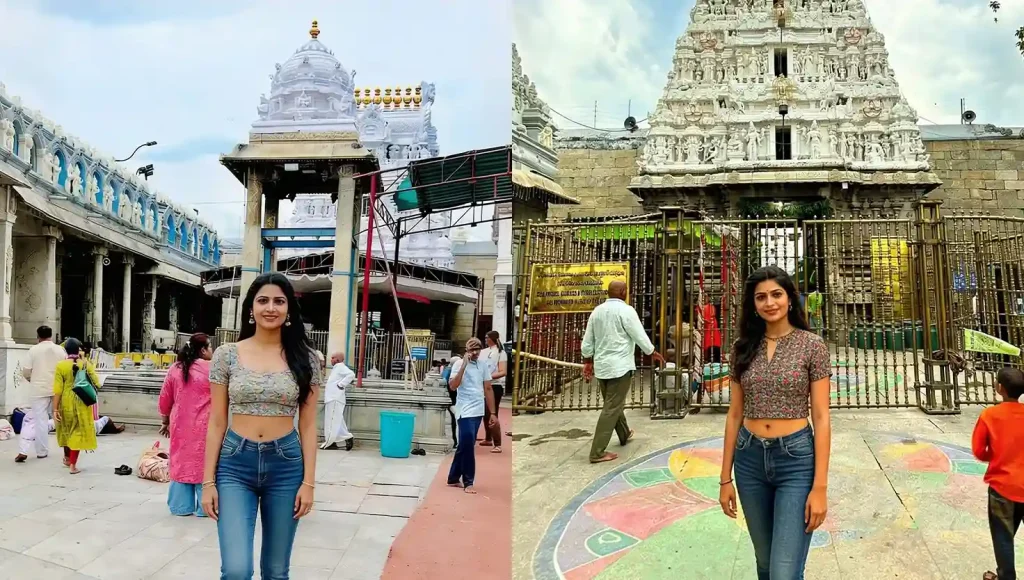
Women should avoid mini-skirts, shorts, sleeveless tops, crop tops, short kurtis, low-waist jeans, and short T-shirts. These clothes may be fine for casual outings, but they do not fit the Govindaraja Temple dress code. Shoulders, knees, waist, chest, and back should stay covered.
Very tight or see-through clothes should also be skipped. If the outfit shows too much skin or keeps slipping while walking, it is not the best choice. Temple visits usually include standing, walking, and waiting, so the outfit should feel easy and secure. A simple traditional outfit will always be the safest pick.
Footwear Rules at Govindaraja Temple
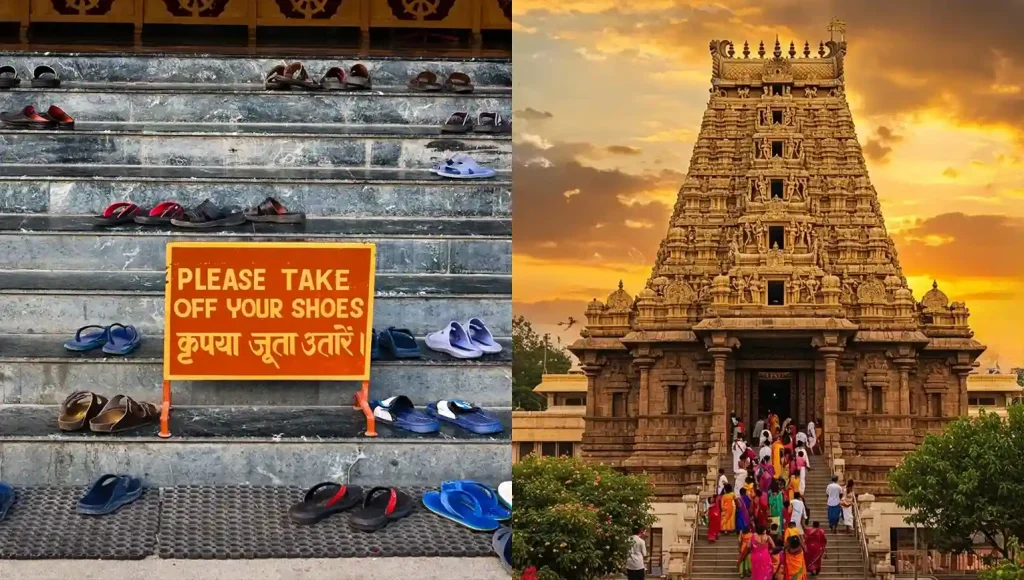
It is better to wear footwear that is easy to remove. Here’s why.
Shoes Must Be Removed Before Entering
Shoes, sandals, slippers, and all other footwear must be removed before entering the temple area. This is a common rule in many Hindu temples. The inner temple space is treated as clean and sacred, so visitors enter barefoot.
Simple sandals or slip-ons are easier than laced shoes. Since the temple may be crowded, quick and easy footwear makes the visit smoother. Tiny detail, big difference.
Why Footwear Is Not Allowed Inside
Footwear is not allowed because shoes can come into contact with roads, dust, and public places. Temples are kept clean for worship, so shoes are left outside. This is a simple sign of respect before entering the sacred space.
Walking barefoot also makes the visit feel more humble. Humble means respectful and not proud. It reminds visitors that they are entering a holy place. The rule is simple: remove footwear before entering and keep it where allowed.
Final Thoughts
The Govindaraja Temple dress code is not difficult to understand. Visitors just need to wear clean, modest, and traditional clothes. Men can choose a dhoti, veshti, pajama, kurta, or full trousers with a shirt. Women can choose saree, half-saree, salwar kameez, or churidar with dupatta. If the clothes cover the body properly and feel respectful, the outfit is usually on the right track.
The main thing is to avoid clothes that look too casual or revealing. Shorts, mini-skirts, sleeveless tops, low-waist jeans, short T-shirts, gymwear, and beachwear are not suitable. Footwear must also be removed before entering the temple area. These are simple rules, but they make the visit smoother. No confusion, no stress, no awkward “is this allowed?” moment.
At the end of the day, dressing well for the temple is not about looking fancy. It is about showing respect. It helps visitors feel ready for darshan and keeps the temple space peaceful for everyone. So pick something clean, covered, and easy to manage that’s the best outfit plan. Share your Experience with others and inspire fellow travelers and devotees to follow temple traditions with respect and comfort.
FAQs
The dress code for Govindaraja Temple is traditional, clean, and modest clothing. Men should wear dhoti, veshti, pajama, kurta, or full trousers with a shirt. Women should wear saree, half-saree, salwar kameez, or churidar with dupatta. Clothes should cover the shoulders, knees, chest, waist, and back properly.
Simple full-length jeans with a modest shirt may seem okay in some casual situations, but traditional clothes are still safer. Men should avoid low-waist jeans, ripped jeans, tight jeans, or jeans paired with sleeveless tops. If the visit includes special darshan or seva, dhoti, pajama, or kurta pajama is a better choice.
Women should avoid low-waist jeans, tight jeans, ripped jeans, and jeans with short tops. A long kurta with full-length bottoms is much safer and more respectful. Traditional outfits like saree, salwar kameez, half-saree, or churidar with dupatta are better choices for the temple.
Sleeveless tops should be avoided because shoulders should stay covered in a temple setting. This applies to both men and women. A shirt, kurta, salwar kameez, saree blouse with sleeves, or any covered outfit is a better option.
No, shorts should not be worn to Govindaraja Temple. Shorts are too casual and do not cover the knees. Men and women should choose full-length, modest clothes instead, like trousers, pajamas, salwar, saree, or other traditional outfits.
Yes, footwear must be removed before entering the temple area. Shoes, sandals, slippers, and other footwear should be left outside or in the allowed storage area. This is a normal rule in many Hindu temples and shows respect for the sacred space.
Women should wear a saree, half-saree, salwar kameez, or churidar with a dupatta for special darshan or seva. These outfits are traditional and modest, so they are safer for temple visits. Revealing, short, or very casual clothes should be avoided.
Men should wear a dhoti, veshti, pajama, kurta pajama, or full trousers with a shirt or upper cloth. For special darshan or seva, traditional clothing is usually better. Shorts, sleeveless tops, torn jeans, and gymwear should be avoided.
Kids should also wear modest and comfortable clothes. Boys can wear kurta pajama, full trousers, or traditional outfits. Girls can wear salwar suits, long traditional dresses, or modest frocks. Very short, sleeveless, or tight clothes should be avoided.
The safest outfit is traditional clothing that covers the body properly. For men, dhoti or kurta pajama is a safe option. For women, saree or salwar kameez with dupatta is a safe option. The outfit should be clean, modest, and easy to manage during the visit.