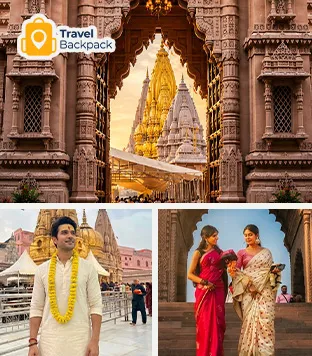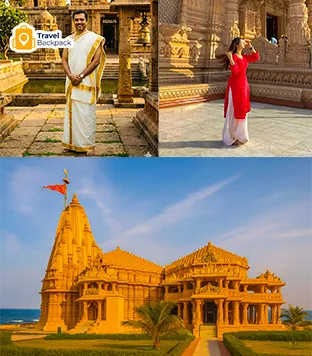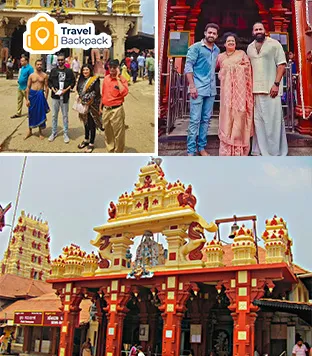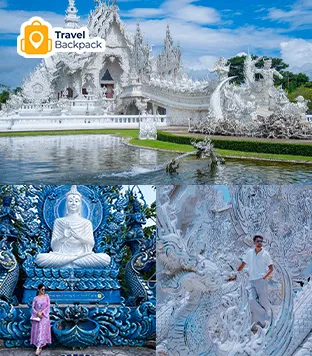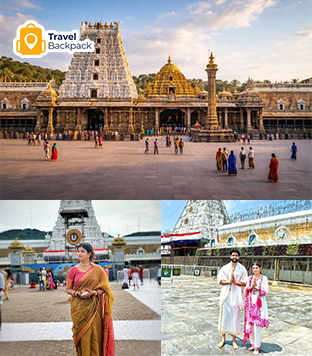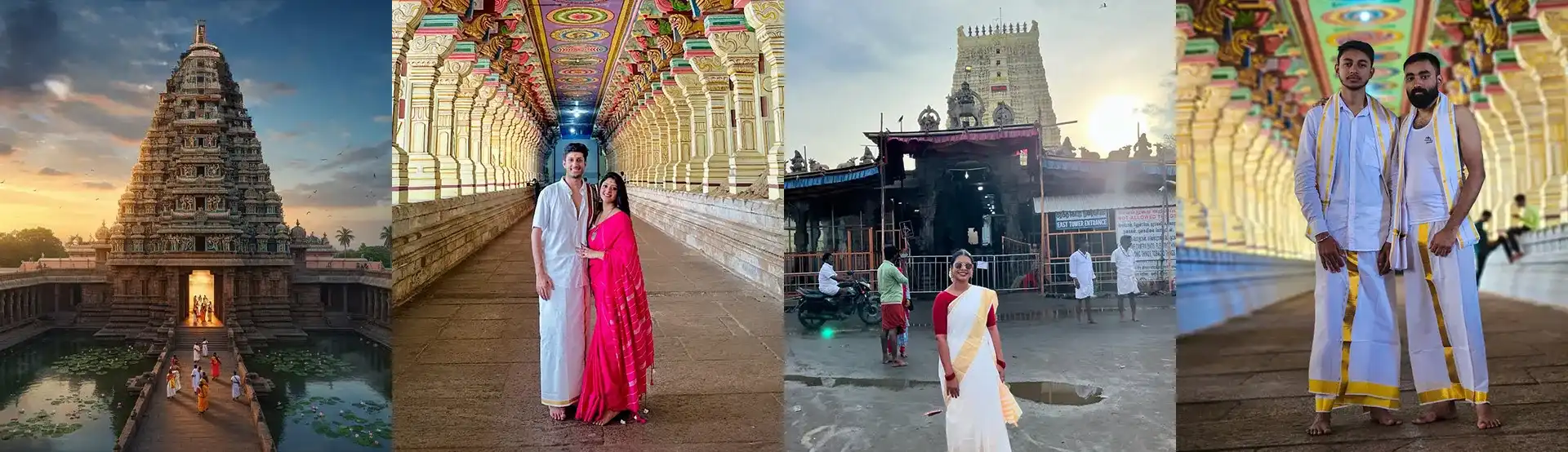
Let’s make this super clear from the start, so no one shows up confused. Rameshwaram Temple has a proper dress code, and yes, they do take it seriously. This is not one of those places where “it should be okay” works. If your outfit doesn’t match what the temple expects, you might not be allowed into certain areas, especially the main shrine.
Clothing should be modest, traditional, and fully covered. That means your shoulders and knees should not be visible, and the outfit should not be tight, short, or revealing. For men, the dhoti, a traditional garment, is preferred. For women, a saree or a shalwar kameez works best. If your outfit feels like something you’d wear casually outside, like jeans or shorts, it’s probably not right for the temple. But if it feels simple, traditional, and respectful, then you’re good.
Why the Dress Code Matters at Rameshwaram Temple
Here’s why!
It’s About Respect, Not Just Rules
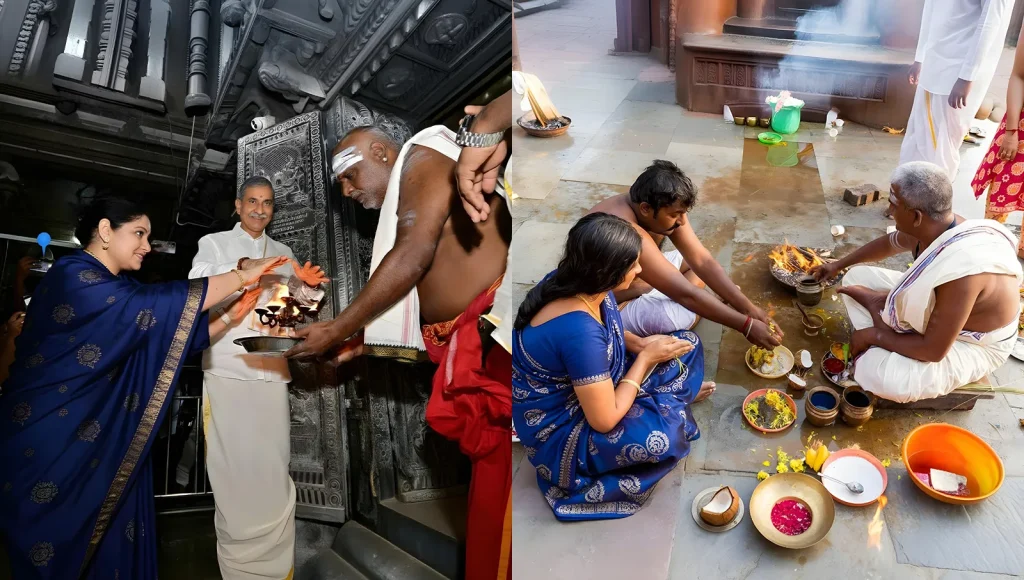
At first, people sometimes think dress codes are too strict. But here, it’s not about controlling what you wear. It’s about respect. Rameshwaram Temple is one of the most important temples dedicated to Lord Shiva. People don’t just visit casually. They come with belief, prayers, and intention. The whole environment is built around calmness, focus, and spirituality.
Now imagine if people walked in wearing shorts, sleeveless tops, or casual outfits. The entire atmosphere would feel different. That quiet, respectful energy would slowly disappear. So the dress code helps protect that feeling.
What “Modest Clothing” Actually Means (Simple Explanation)
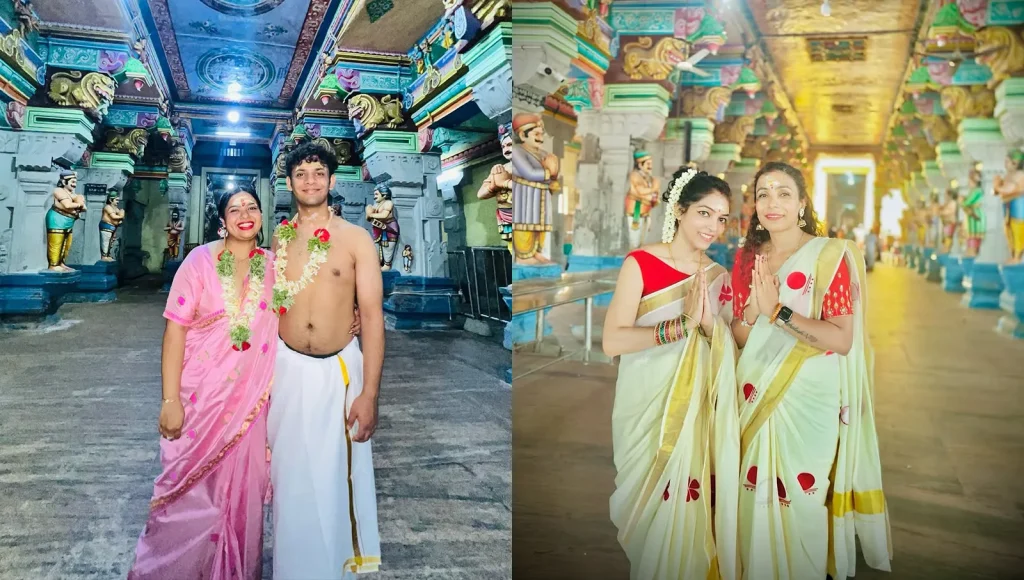
You’ll hear this word a lot: modest. It sounds formal, but it’s actually very simple. Modest clothing is clothing that covers your body properly and doesn’t draw unnecessary attention. No short clothes, no tight fits, no flashy styles. Think of it like this. The goal is not to look stylish. The goal is to look respectful. Once you understand that, choosing the right outfit becomes much easier.
Rameshwaram Temple Dress Code for Men
Let’s start with the dress code for men.
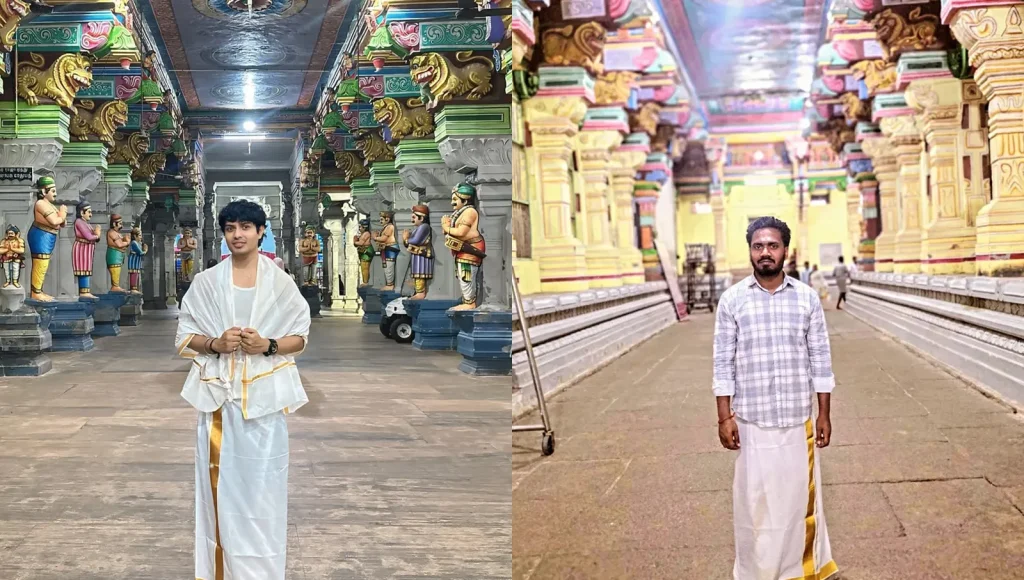
What Men Are Expected to Wear
For men, the most accepted and traditional option is a dhoti, also called veshti. A dhoti is a long piece of cloth wrapped around the waist. It may feel unfamiliar if you’ve never worn one, but it’s considered the most appropriate clothing for temple visits in South India. Men can also wear simple shirts with it or wear an angavastram.
An angavastram is a cloth worn over the shoulder or upper body. It’s not compulsory, but many people prefer it because it completes the traditional look.
Are Pants and Shirts Allowed for Men?
This is where it gets slightly flexible. Formal pants and shirts are sometimes allowed, especially for visitors who are not used to traditional clothing. But even then, simple and modest dressing is expected. That said, many priests and regular visitors still recommend wearing a dhoti because it feels more suitable for rituals and temple practices. So while pants may be allowed in some cases, traditional wear is always the safer and better option.
What Men Should Avoid Wearing
This is important because many people assume casual clothes are fine. Clothing such as jeans, shorts, lungis, or anything too casual or too tight is not accepted. Even if it feels normal outside, inside the temple, it does not match the environment. So instead of guessing, it’s better to stick to simple, traditional clothing.
Rameshwaram Temple Dress Code for Women
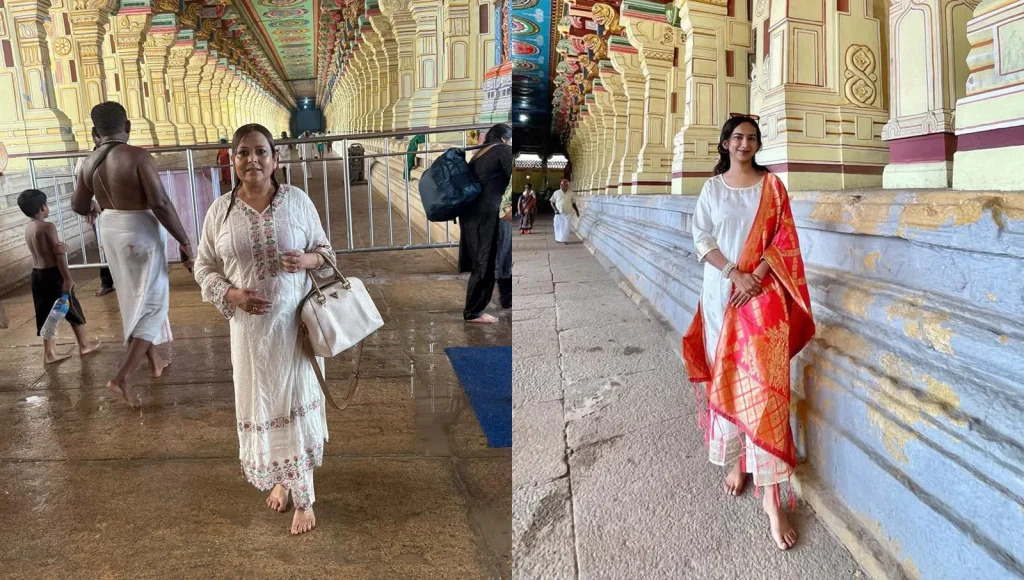
Now let’s talk about the dress code for women!
What Women Should Wear Inside the Temple
For women, the expectations are very clear. Clothing should be traditional, modest, and fully cover the body. The most preferred option is a saree. It naturally fits the temple environment and is always accepted. Salwar kameez and long kurtis with proper leggings are also allowed as long as they cover the shoulders and knees. The focus is not on style. It’s on simplicity and respect.
Understanding the Dress Code for Ladies More Clearly
Many first-time visitors get confused here. The temple does not expect anything complicated. It just expects clothing that looks appropriate for a sacred place. That means no short outfits, no sleeveless tops, and nothing that feels too modern or revealing. If your outfit feels comfortable, covered, and traditional, it will work.
What Women Should Avoid Wearing
This is where most mistakes happen. Clothes like jeans, short skirts, sleeveless tops, crop tops, and tight leggings are not allowed. Even if something looks “almost okay,” it may still not be accepted. So it’s better to avoid taking risks and choose something clearly appropriate.
Rameshwaram Temple Dress Code for Children
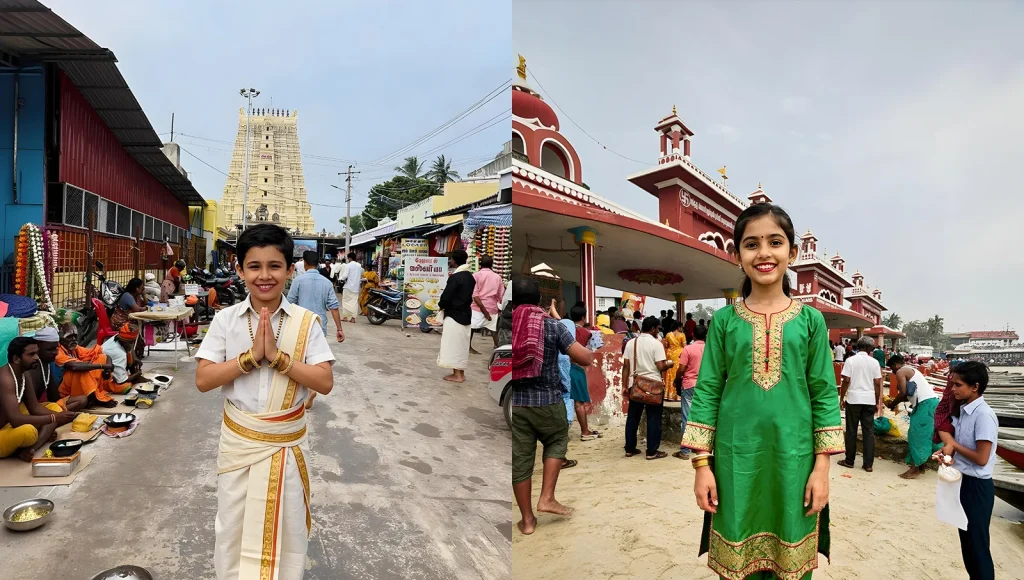
When it comes to children, the rules are a bit more relaxed compared to adults, but that doesn’t mean anything goes.
What Kids Are Expected to Wear Inside the Temple
Kids are still expected to dress simply, modestly, and respectfully. For young boys, traditional options like small dhotis or simple shorts with a decent top are usually acceptable. For girls, outfits like pavada (a traditional skirt and top), long frocks, or salwar-style clothing work well. The idea is not strict styling. It’s just to make sure the child is appropriately dressed for a temple environment.
Do Kids Have to Follow the Same Strict Rules as Adults?
Children below a certain age are not judged as strictly as adults, but clothing should still avoid anything too short, sleeveless, or overly casual. The temple understands that kids need comfort, so the focus is on keeping them covered and presentable rather than forcing them into exact traditional outfits. So yes, it’s slightly flexible. But still respectful.
What Parents Should Keep in Mind for Kids
Kids can get uncomfortable faster, especially in warm weather or crowded areas. So it’s better to choose light, breathable clothes that let them move easily. If you’re planning the ritual bath, carrying an extra set of clothes for the kids is even more important, since they won’t stay comfortable in wet clothes for long. Also, simple outfits work best.
Important Rules Most Visitors Don’t Think About
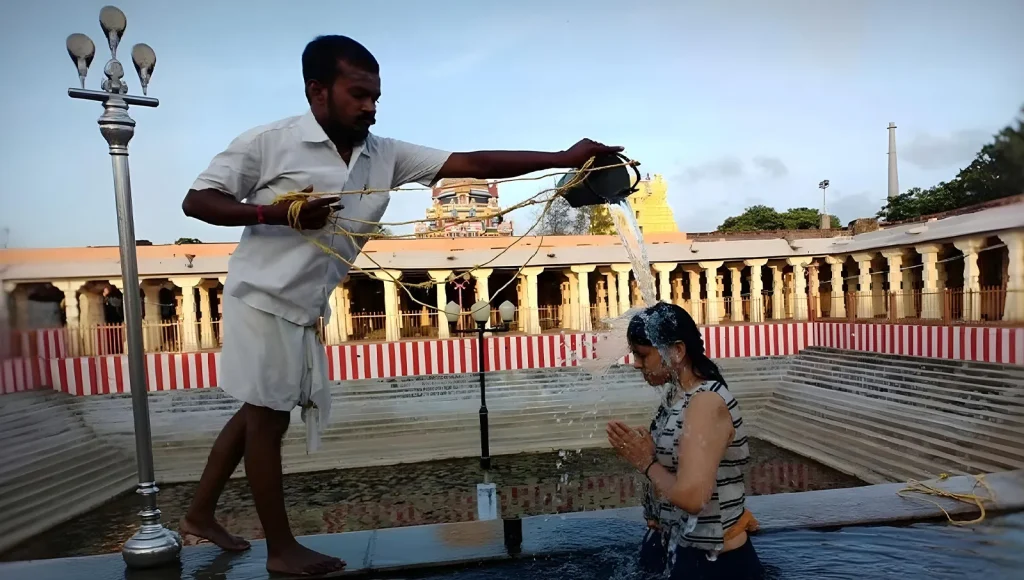
Keep your mind open and don’t forget these rules!
The Ritual Bath Rule (This One Confuses People)
Rameshwaram Temple has something very unique. There are 22 holy wells inside the temple where many visitors take a ritual bath before entering the main shrine. A ritual bath simply means washing yourself as part of a religious practice before prayer.
Now here’s where people get confused. After taking this bath, your clothes will obviously be wet. And some people try to enter the temple in those same clothes without thinking about how they look.
Why Clothing After the Bath Matters
When clothes get wet, some fabrics become slightly transparent. This is why the temple advises visitors to either wear thicker clothes or carry an extra set to change into. It’s not just about comfort. It’s about maintaining modesty even after the ritual.
Carrying an Extra Set Is the Smart Move
The easiest way to handle this is simple. Bring a second set of clothes. After the bath, you can change into dry, proper clothing and then enter the main shrine without any stress or awkwardness. It makes the whole process smoother.
Practical Tips That Actually Make Your Visit Smooth
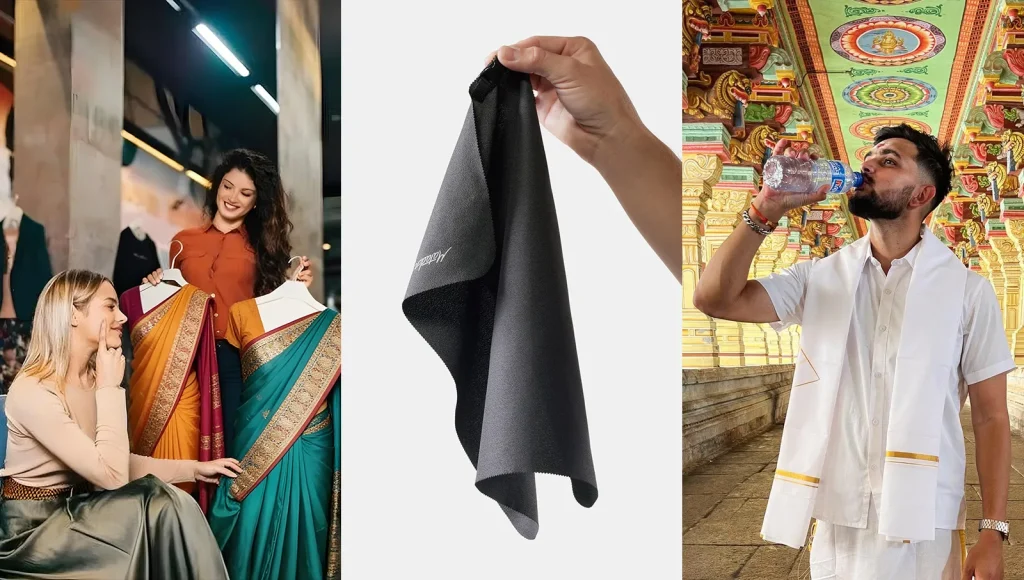
Now that you know the dress code and bathing rules, let’s give you some practical tips to make your visit go very smoothly.
Plan Your Outfit Before You Even Reach the Temple
A lot of people reach the Rameshwaram Temple and then start thinking about what to wear. That’s when confusion starts. Shops, changing, rushing, asking people, it all becomes messy and takes away from the calm experience you were expecting. If you just decide on your outfit before leaving your hotel or home, everything feels easier. You walk in already prepared, without worrying about whether you’ll be allowed in.
Travel Light Because You Can’t Take Everything Inside
A lot of people carry extra items without thinking. But inside the temple, footwear is not allowed, and managing too many belongings becomes difficult. You’ll need to store things and keep track of them, which adds unnecessary steps. So instead of carrying everything, keep it simple. Take only what you actually need.
When you move light, everything feels easier. You don’t feel slowed down, and your focus stays on the experience instead of your belongings.
Go Early If You Want a Calm Experience
Early mornings feel quieter, more peaceful, and less crowded. You don’t feel pushed by the crowd, and you get time to move at your own pace. Later in the day, especially during festivals or special days like Mahashivratri, the temple gets very busy. Lines get longer, waiting time increases, and the whole experience feels more intense.
Keep a Small Towel or Cloth With You
After the ritual bath or even just walking around in warm weather, you may feel slightly wet or sweaty. Having a small towel or cloth lets you dry your hands, face, or even adjust quickly before entering the main temple area. It’s such a small thing, but it makes you feel fresher and more comfortable, especially before darshan. And when you feel physically settled, your whole mindset feels calmer too.
Be Mentally Ready for Walking Barefoot
A lot of people know footwear is not allowed, but they don’t really think about what that means. You’ll be walking barefoot for a while. That includes temple floors that can sometimes feel warm or slightly rough, depending on the time of day. If you’re not used to that, it can feel uncomfortable at first. So instead of getting surprised, just be mentally ready for it. Walk slowly, stay aware, and don’t rush. Once you adjust, it actually starts feeling normal.
Don’t Wear Expensive or Hard-to-Manage Clothes
This is not the place for delicate or expensive outfits. Between walking, possible water exposure, and crowd movement, there’s always a chance your clothes may get slightly messy or uncomfortable. If you’re wearing something you’re constantly worried about, it takes your focus away from the experience. Choosing simple clothes removes that tension.
Stay Hydrated Without Overcomplicating Things
This might sound basic, but it’s easy to forget. With the weather, the walking, and the rituals, your body can feel tired faster than expected. Keeping yourself hydrated helps you stay focused and comfortable throughout the visit. Just don’t carry too much or overpack. Keep it simple, but don’t ignore it either.
Common Mistakes People Make (And Then Regret Later)
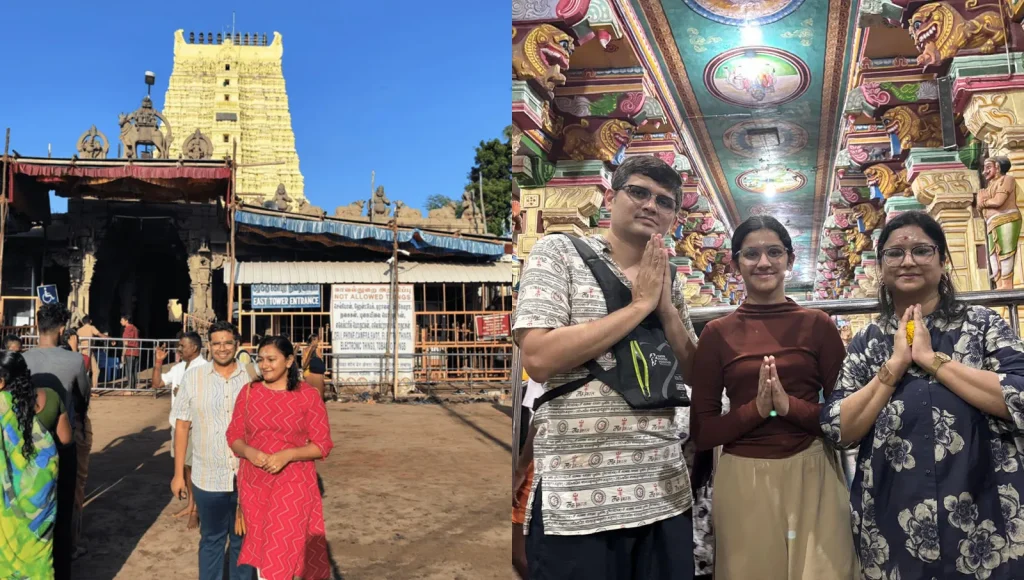
Here are some common mistakes!
Wearing “Almost Right” Clothes Instead of Proper Ones
This is one of the biggest mistakes. People wear something that looks slightly traditional but not fully appropriate. Like jeans with a kurti, or tight leggings without proper coverage. They think it should be fine. But “almost right” doesn’t always work here. The temple expects modest, traditional clothing. So instead of guessing, it’s better to choose something you’re completely sure about.
Assuming Rules Will Be Flexible
Some people think the rules might be relaxed depending on the situation. But that’s not how it works. The dress code is consistent, and the temple staff follow it properly. If something doesn’t meet the requirement, they may stop you from entering certain areas. So instead of expecting flexibility, it’s better to follow the rules from the start.
Treating It Like a Tourist Visit Instead of a Spiritual One
Rameshwaram Temple is not just a place to visit and leave. It’s a spiritual space. Some people approach it like a regular tourist spot, focusing only on seeing things quickly. But that mindset doesn’t match the environment. When you slow down, follow the customs, and respect the process, the experience feels completely different.
Final Thoughts
At the end of the day, this is not just about following rules. It’s about understanding the space you’re entering. Rameshwaram Temple is not just another place to visit and leave. It carries deep meaning for people who come here with belief, intention, and devotion. The dress code is just one small part of maintaining that atmosphere.
If everything is planned properly, from your outfit to your timing, the visit becomes smooth, calm, and meaningful instead of stressful or confusing. So instead of seeing the dress code as a restriction, it’s better to see it as a guide, one that helps you experience the place the way it’s meant to be experienced. Share your experience and help others prepare for a respectful and meaningful visit.
FAQs
This is something many people try, but it’s not always accepted. Even if the kurti is long, jeans are still considered casual Western wear, and the temple prefers traditional clothing. It’s safer to choose a shalwar kameez or a saree instead of trying to adjust modern outfits.
Dhoti is strongly recommended and considered the most appropriate option. While simple pants and shirts may be allowed in some cases, wearing a dhoti helps you avoid any issues and also feels more suitable for rituals inside the temple.
If your clothes become transparent when wet, it can create discomfort and may not meet the modesty requirement. This is why carrying a dry set of clothes is highly recommended. It helps you stay comfortable and avoids any awkward situations.
Leggings are acceptable only when worn with a long kurti that fully covers the body. Tight or short outfits are not suitable, so it’s better to ensure the overall look is modest and traditional rather than focusing on a single piece.
No, the dress code applies to everyone equally. Whether you are a local visitor or a tourist, the expectations remain the same. Following the dress code shows respect for the temple and its traditions.
It’s not compulsory, but it’s still a good idea. Plans can change once you’re there, and having an extra set of clothes gives you flexibility and comfort.
Yes, there are facilities around the temple where visitors can change. However, it’s always easier to come prepared rather than rely entirely on external arrangements.
For men, a dhoti with a simple upper cloth is the safest option. For women, a saree or shalwar kameez is always accepted.