Brihadeeswara Temple has a proper dress code, and people do not ignore it. If your outfit doesn’t match what the temple expects, you might not be allowed to enter certain areas, especially the inner parts of the temple where the main rituals happen. So it’s always better to understand this before you even plan your visit.
The rule itself is actually simple when you break it down.
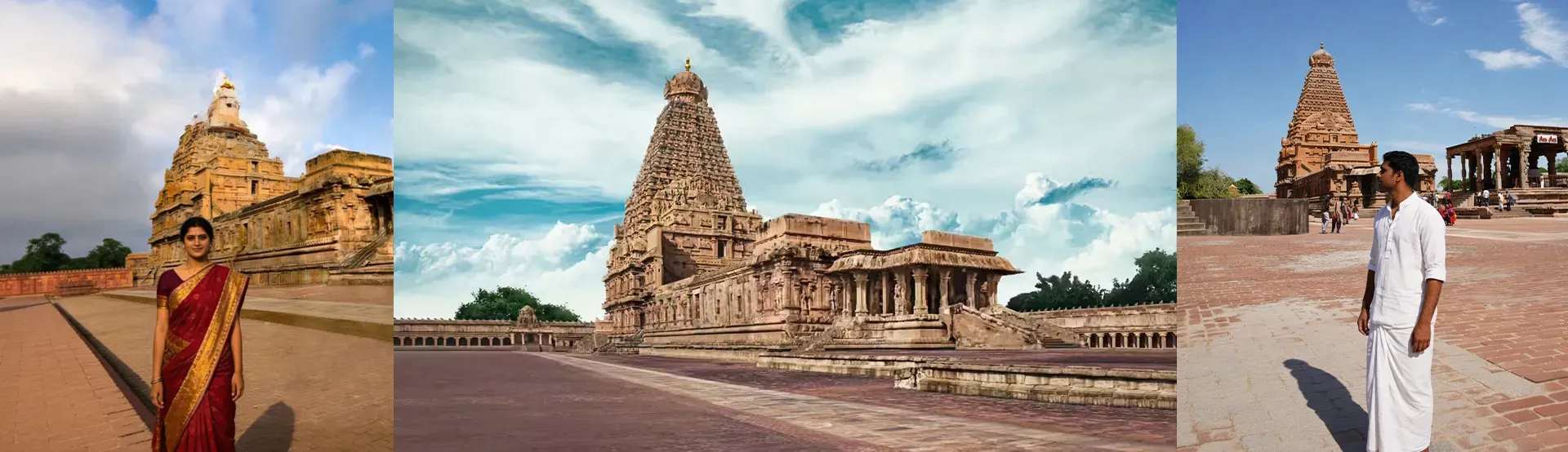
Clothing should be modest, traditional, and fully cover your body. This basically means your shoulders and knees should not be visible, your clothes should not be tight or revealing, and your overall look should feel respectful instead of casual. For men, a dhoti or traditional wear is strongly preferred, though simple trousers may be accepted in some cases. For women, sarees or salwar kameez with a dupatta are the safest and most accepted choices.
If your outfit feels like something you would wear for a normal outing or a casual day, then it’s probably not the right fit for the temple. But if it feels simple, covered, and culturally appropriate, then you’re already on the right track. Understanding this early saves you from last-minute stress at the entrance.
Why Dress Code Matters at Brihadeeswara Temple
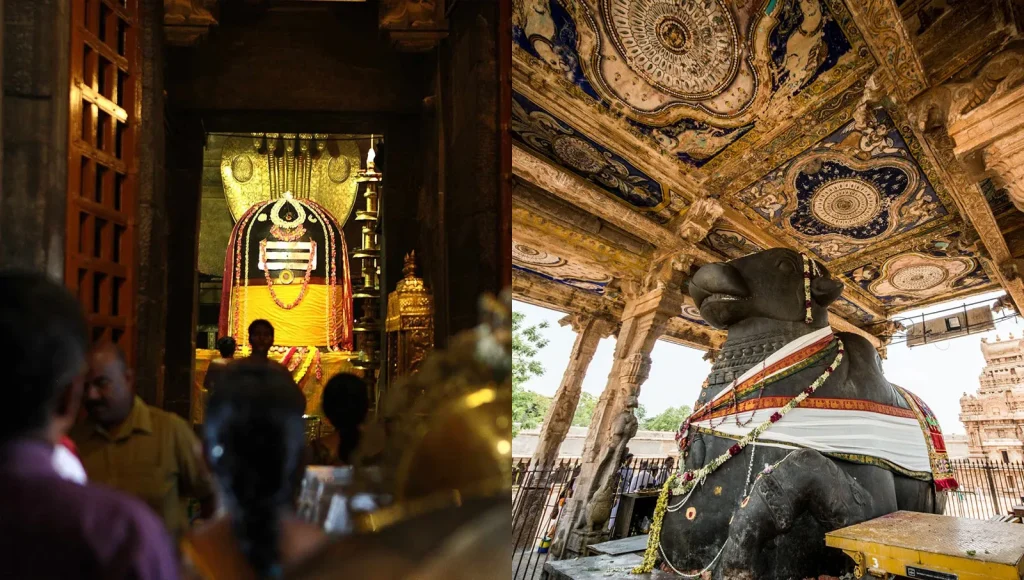
It actually plays a bigger role than people think.
It’s Not Just a Rule, It Shapes the Whole Experience
Brihadeeswara Temple is not just a place people visit for sightseeing. It is a deeply spiritual place where people come with devotion, belief, and intention. The environment inside is calm, quiet, and focused, and every small detail helps maintain that feeling. Now imagine if people entered wearing random casual clothes, like shorts, sleeveless tops, or flashy outfits. The entire atmosphere would slowly lose its calmness.
It would start to feel more like a crowded public space than a sacred place. So the dress code exists to protect that environment. It keeps everyone aligned with the place’s purpose: respect, devotion, and focus. Once you understand this, the dress code no longer feels like a restriction. It feels like a part of the experience itself.
Understanding “Modest Clothing” in the Simplest Way
The word “modest” sounds formal, but it’s actually very easy to understand.
Modest clothing simply means clothes that cover your body properly and do not draw unnecessary attention. You’re not trying to stand out or look fashionable here. You’re trying to blend into a respectful environment. That means no short clothes, no tight fits, no sleeveless tops, and nothing that looks too modern or revealing.
Think of it like this.
- If your outfit feels calm, simple, and respectful, it works.
- If it feels attention-grabbing or too casual, it probably doesn’t.
Once you understand that difference, choosing your outfit becomes much easier and stress-free.
Brihadeeswara Temple Dress Code for Men
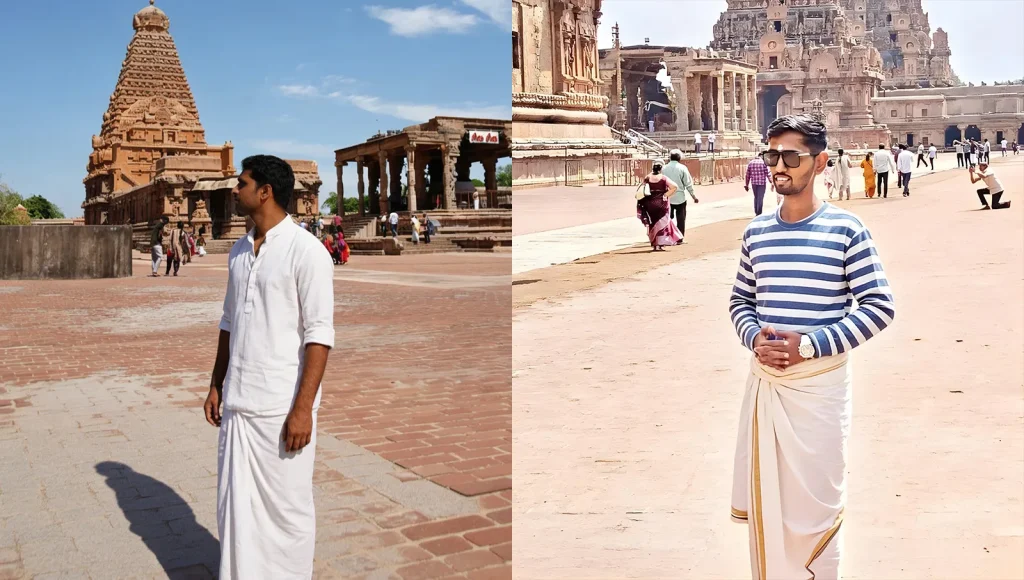
Let’s focus on the dress code for men first.
Traditional Clothing Options That Always Work
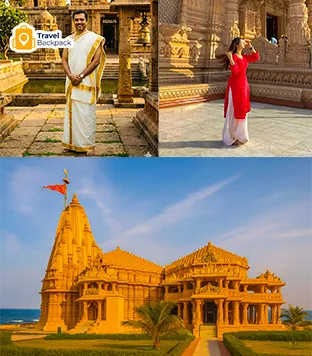
For men, the most recommended and culturally appropriate option is wearing a dhoti, also known as a veshti. A dhoti is a long piece of cloth wrapped around the waist and legs. It might feel unfamiliar if you’ve never worn one before, but it is widely accepted in temples across South India. It not only matches the cultural setting but also feels comfortable, especially in warm weather.
Men usually pair the dhoti with a simple shirt or an angavastram. An angavastram is a cloth placed over the shoulder or upper body. It’s not mandatory, but it adds a more traditional and complete look. Many visitors choose it because it aligns perfectly with the temple environment.
Are Western Outfits Like Pants Acceptable?
In some cases, simple trousers with a shirt are allowed, especially for visitors unfamiliar with traditional clothing. However, the key point is that even if pants are allowed, they should still look modest and simple. Tight jeans, ripped styles, or anything too casual is not appropriate. Also, just because something is allowed doesn’t mean it’s the best choice.
Traditional clothing is always preferred because it fits the temple’s environment more naturally. It also helps you feel more comfortable during rituals or long periods of standing and walking. So if you want to avoid any confusion or risk, a dhoti is always the safest option.
Common Mistakes Men Make With Dress Code
One common mistake is assuming that “normal clothes” will be fine. Many visitors arrive wearing casual outfits like jeans, half pants, or even sportswear, thinking it won’t matter. But these do not meet the temple’s expectations. Even something that looks decent outside can feel out of place inside.
Another mistake is wearing something that is technically allowed but not ideal, like tight trousers or flashy shirts. These may not break the rule directly, but they don’t align with the purpose of modest dressing. So instead of testing the limits, it’s better to go with something clearly appropriate.
Brihadeeswara Temple Dress Code for Women
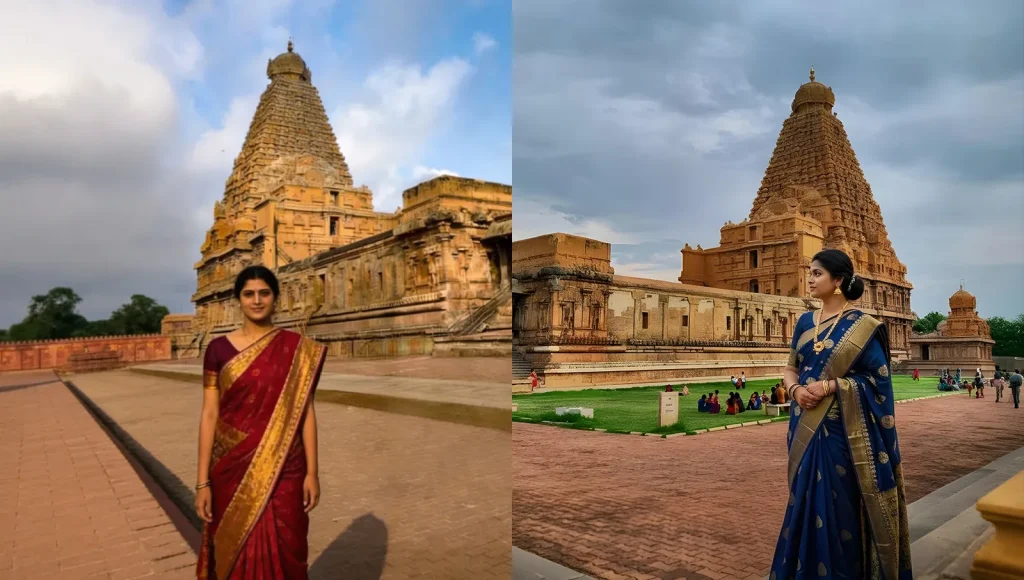
For women, the dress code is very clear and easy to follow once you understand it properly.
Traditional Outfits That Are Always Accepted
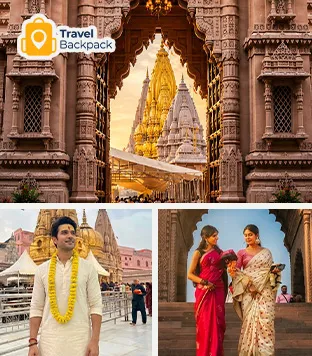
Sarees are the most preferred option. They naturally cover the body modestly and perfectly match the temple environment. If wearing a saree feels difficult, salwar kameez or churidar with a dupatta is also widely accepted. A dupatta is a long scarf worn over the shoulders and chest. It helps maintain modesty and completes the outfit in a way that aligns with traditional expectations.
What “Appropriate Clothing” Looks Like for Women
The temple is not asking for anything complicated or expensive. It simply expects clothing that covers the shoulders, chest, and knees properly. The outfit should not be tight, short, or revealing. It should feel simple and respectful rather than fashionable or styled for attention.
If your outfit lets you move comfortably and feels appropriate for a spiritual place, you’re already doing it right.
Clothing Women Should Avoid Completely
Certain outfits are clearly not suitable for the temple, and it’s important to avoid them. Clothes like mini skirts, shorts, sleeveless tops, crop tops, low-waist jeans, and tight leggings without proper coverage are not allowed. Even if they are common in daily life, they do not match the expectations of a sacred place like the Brihadeeswara Temple.
Trying to “adjust” such outfits, such as partially covering them, may still not be acceptable. So it’s always better to choose something that clearly fits the dress code instead of trying to make something work.
Brihadeeswara Temple Dress Code for Children
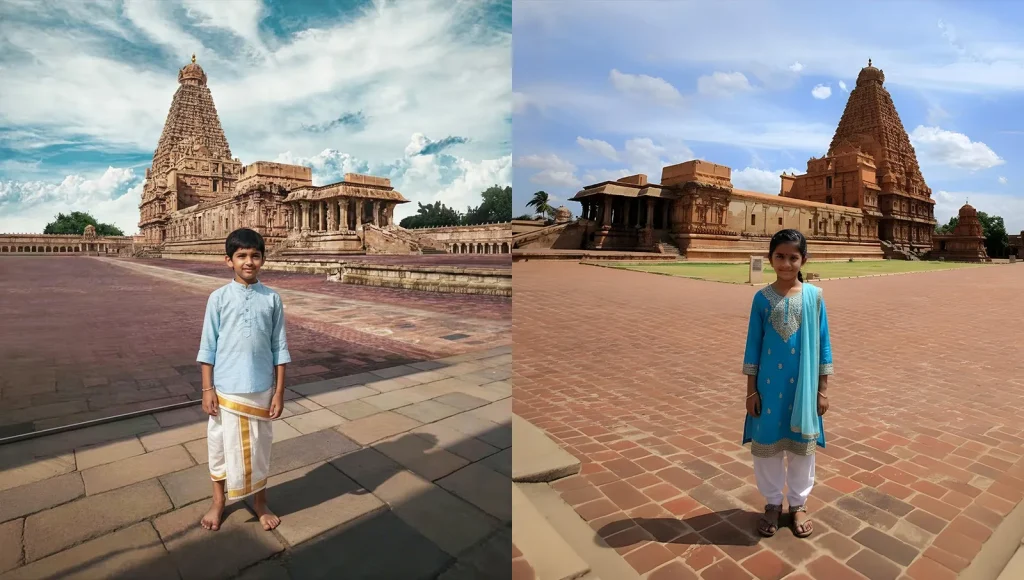
For children, the rules are slightly relaxed but still follow the same basic idea.
What Children Should Wear Inside the Temple
Kids should wear simple, fully covered clothing that looks neat and appropriate. Boys can wear small dhotis or simple pants with a proper top. Girls can wear long dresses, pavada, or salwar-style outfits that cover their bodies properly. The temple understands that children need comfort, so the focus is not on strict traditional styling but on basic modesty.
How Strict Is the Dress Code for Kids?
Children are not judged as strictly as adults, but they are still expected to look presentable and respectful. Clothes should not be too short, sleeveless, or overly casual. Even though there is some flexibility, the idea of modest dressing still applies. It’s more about the overall look rather than specific rules. So parents don’t need to stress too much, but they should still make sure the child’s outfit fits the environment.
Prohibited Clothing Items You Should Never Wear
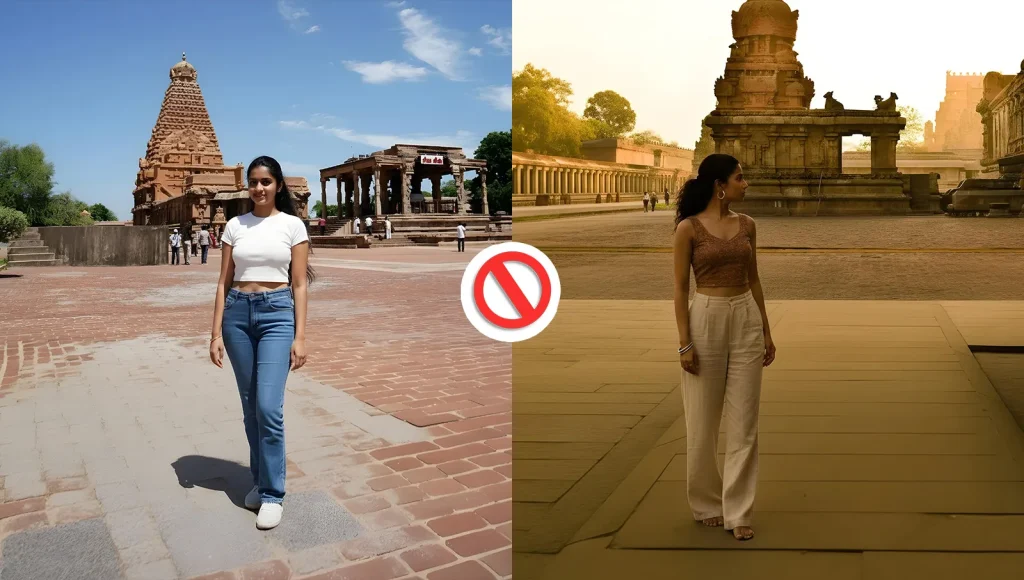
There are certain clothing items that clearly do not meet the temple’s dress code.
What Can Get You Stopped at the Entrance
This includes shorts, mini skirts, sleeveless tops, low-waist jeans, short t-shirts, and anything that exposes too much of the body. Tight or body-fitting clothes that draw attention are also not appropriate. These are not small mistakes. Wearing these can actually result in being denied entry, which can completely disrupt your visit.
Why It’s Better Not to Take Risks
Some people try to push the limits by wearing something “almost acceptable.” But this usually creates unnecessary stress. You might get stopped, asked to change, or feel uncomfortable the entire time. Instead of dealing with all that, it’s much easier to choose something clearly appropriate from the start.
Practical Tips That Actually Make Your Visit Smooth
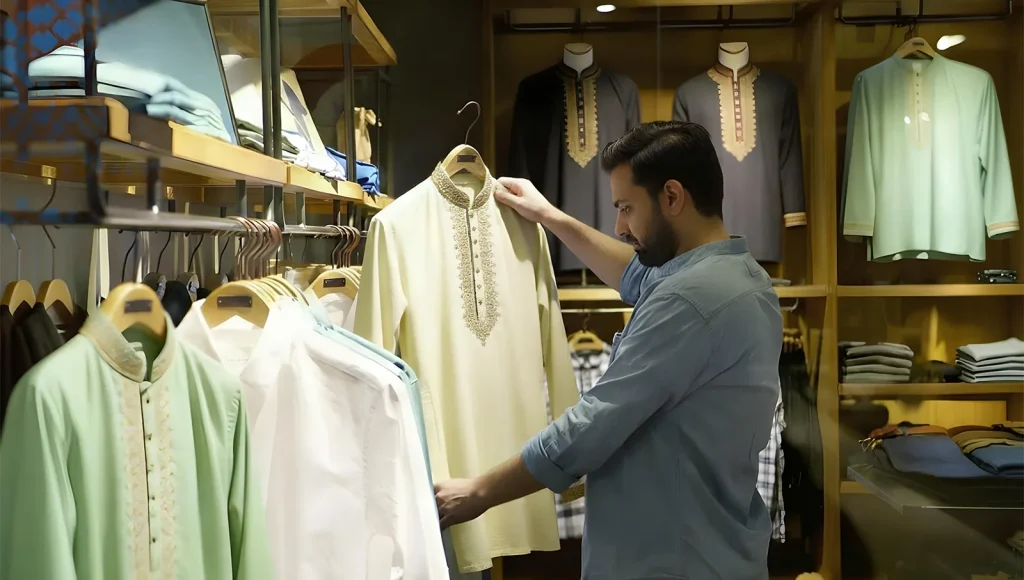
Follow these tips to make your visit as smooth as possible!
Plan Your Outfit Before You Leave, Not at the Temple
One of the biggest mistakes people make is thinking about their outfit too late. They reach the temple, look around, and suddenly realize their clothes don’t match the dress code. Then starts the rush. Finding shops, changing clothes, adjusting outfits, and asking people for help. It turns something peaceful into something stressful very quickly.
If you simply plan your outfit before leaving your hotel or home, everything becomes easier. You walk in already prepared, without worrying about rules or entry. That small step changes your entire experience from chaotic to calm.
Choose Clothes That Work in Heat, Not Just Look Good
This is something many visitors underestimate. Brihadeeswara Temple has a large, open granite courtyard, and during the day it can get quite hot. Granite is a type of hard stone that absorbs heat from the sun, so when you walk barefoot on it, it can feel very warm under your feet.
Now, combine that with heavy or uncomfortable clothing. You’ll start feeling tired faster than expected. That’s why choosing light, breathable clothes matters.
Socks Can Save You From the Hot Floor
Most people know that footwear is not allowed inside the temple. But very few people think about what walking barefoot actually feels like on a hot day. This is where socks become useful. Wearing simple socks can protect your feet from the heat of the stone floor, especially during midday visits. It might feel like a small detail, but it can completely change your comfort level while walking around the temple.
Instead of rushing because the ground feels too hot, you can move calmly and enjoy the surroundings.
Keep Your Outfit Simple and Easy to Manage
This is not the place for complicated outfits. You don’t want clothes that need constant adjusting, fixing, or worrying. Long rituals, walking, and standing in queues mean you need something that stays comfortable and stable. Simple outfits work best here. When your clothing is easy to manage, your attention stays on the temple experience rather than on your outfit.
Travel Light Because You Won’t Carry Everything Inside
Since footwear is removed and movement inside the temple requires simplicity, managing bags and extra belongings can feel tiring. You’ll need to store things, keep track of them, and that adds unnecessary stress. So it’s better to carry only what you actually need.
Visit Early to Avoid Heat and Crowds
Timing matters more than people expect. Early mornings are the best time to visit the Brihadeeswara Temple. The weather is cooler, the crowd is smaller, and the whole environment feels calmer. You can walk comfortably, take your time, and actually enjoy the place without feeling rushed. Later in the day, especially during peak hours, the temple becomes increasingly crowded, and the heat intensifies. This can make the experience feel more tiring..
Common Mistakes Visitors Make (And How to Avoid Them)
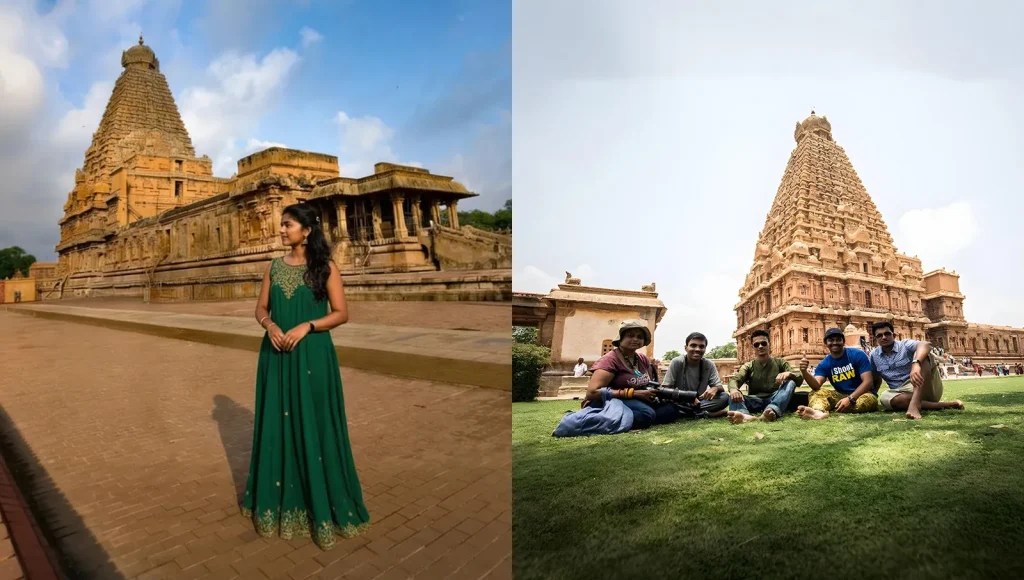
People make mistakes, and it’s okay. But it’s better to be safe than sorry. So read these common mistakes that people make and learn from them so you don’t end up in the same stupid expedition.
Assuming Rules Will Be Flexible
Some people think rules might be relaxed depending on the situation. But that’s not how it works. The dress code is followed properly, and staff may stop visitors who are not dressed appropriately. Even small things can matter here. So instead of expecting flexibility, it’s better to follow the rules from the start and avoid any issues.
Treating It Like a Tourist Spot Instead of a Sacred Place
Brihadeeswara Temple is not just a place to visit and take pictures. It is a spiritual space with deep history and meaning. When you treat it like a regular tourist attraction, the experience feels shallow. But when you slow down, respect the customs, and follow the environment, everything feels more meaningful.
Final Thoughts
At the end of the day, the dress code is not just about what you wear. It’s about how you enter the space. When you follow the dress code, your experience changes. You don’t feel out of place or distracted. You feel more connected to the environment and more present in the moment. It helps you blend into the temple’s calm rather than stand out.
And that’s what makes the visit feel real. Because the Brihadeeswara Temple is not just about seeing a place. It’s about experiencing it fully. When you prepare properly, from your clothing to your timing, everything becomes smoother, calmer, and more meaningful, so don’t forget to share your experience with others.
And that’s what turns a simple visit into a memorable one.
FAQs
Even if jeans are loose, they are still considered casual wear and are not the best choice for the temple. It is always safer to wear traditional or clearly modest clothing like a dhoti, saree, or salwar kameez to avoid any issues at the entrance.
Traditional attire is strongly recommended because it matches the temple environment. While some simple formal outfits may be allowed, wearing traditional attire ensures you won’t face any restrictions and helps you feel more comfortable during the visit.
Children have slightly relaxed rules, but they should still wear fully covered and modest clothing. Clothes should not be too short or sleeveless, and the overall look should be neat and appropriate for a temple visit.
In some cases, covering with a shawl may work, but it is not always reliable. It is better to wear proper clothing that already meets the dress code rather than adjusting outfits at the last minute.
If your clothing does not meet the temple requirements, you may be denied entry, especially in important areas. This can disrupt your visit, so it’s always better to follow the dress code properly from the start.