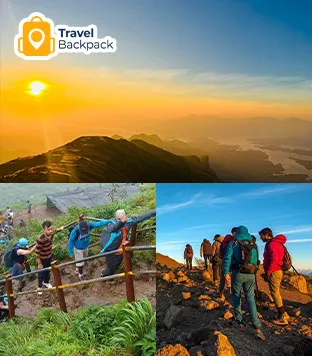
A Tawang Backpacking Trip is an unforgettable Himalayan adventure that combines dramatic mountain landscapes, high-altitude passes, Buddhist monasteries, remote villages, glacial lakes, and some of the most spectacular road journeys in Northeast India. Located in western Arunachal Pradesh, Tawang sits at around 3,500 metres above sea level and is surrounded by rugged Himalayan terrain.
Unlike a conventional city holiday, travelling to Tawang is as much about the journey as the destination. The route from the Assam side passes through places such as Bhalukpong, Bomdila and Dirang before reaching the high-altitude landscapes around Sela Pass and Tawang.
For most first-time visitors, 6 to 8 days is a practical duration. However, travellers should stay flexible because mountain weather, road conditions, permits, and transportation can affect the itinerary.
Tawang Backpacking Trip at a Glance
| Trip Detail | Information |
| Destination | Tawang, Arunachal Pradesh |
| Ideal Duration | 6–8 days |
| Main Starting Point | Guwahati |
| Main Route | Guwahati → Bhalukpong → Bomdila → Dirang → Tawang |
| Tawang Elevation | About 3,500 metres |
| Best Time | March–June and October–November |
| Main Attraction | Tawang Monastery |
| Popular Excursions | Bum La, Sangetsar Lake, Sela Pass |
| Transport | Shared/private taxis and local vehicles |
| Permit | ILP for eligible domestic travellers; separate rules for foreign nationals |
| Trip Style | Backpacking, road trip and cultural travel |
| Difficulty | Moderate because of long mountain journeys and altitude |
Is Tawang Good for Backpacking?
Yes, Tawang is an excellent destination for travellers who enjoy mountains, road trips, cultural experiences and remote destinations.
A Tawang backpacking adventure is particularly rewarding for people who enjoy:
- Himalayan landscapes
- Long scenic road journeys
- Buddhist monasteries
- High-altitude lakes
- Snow-covered mountains
- Remote villages
- Photography
- Local food
- Adventure travel
- Cultural experiences
However, Tawang is not the easiest destination for completely spontaneous backpacking. Plan transportation, accommodation, and permits before you leave, and build in extra time for unexpected delays.
Best Time for a Tawang Backpacking Trip
The best time depends on whether you want pleasant weather, green landscapes or snow.
March to June
Spring and early summer are among the most comfortable periods for travelling. Days are generally pleasant, although temperatures can remain cold at higher elevations.
Arunachal Tourism describes March to June as the summer period and lists temperatures broadly ranging from around 5°C to 25°C depending on conditions and location.
This period suits travellers who want scenic roads without making snow the primary purpose of the trip.
July to September
The monsoon season brings substantial rainfall to the region. Landslides, slippery roads and travel delays can occur, so this isn’t the easiest period for a tightly scheduled backpacking itinerary.
If you travel during the monsoon, add buffer days to your plan.
October to November
October and November can offer excellent mountain visibility and pleasant sightseeing conditions. This is one of the better periods for photography and road-trip experiences.
December to February
Winter transforms Tawang into a snowy Himalayan destination. Temperatures can approach freezing, and high-altitude sections may experience difficult conditions.
Arunachal Tourism notes that winter in Tawang is chilly, with temperatures sometimes dropping near freezing.
If snow is your priority, winter can be rewarding, but be prepared for changing road and weather conditions.
How Many Days Are Enough for Tawang?
For a first visit, 7 days is a good balance between travelling and sightseeing.
5 Days
Possible, but fast-paced. You will spend considerable time travelling and have less flexibility for weather or road delays.
7 Days
The best option for many first-time visitors. It provides enough time for the main route, Tawang sightseeing and an excursion toward Bum La and nearby lakes, subject to permissions and conditions.
10 Days
Better for travellers who want a slower trip, additional sightseeing and more flexibility.
If possible, avoid designing your trip around extremely tight connections. A mountain-road delay can easily affect your next day’s plan.
Tawang Altitude and Acclimatisation
Tawang sits at about 3,500 metres above sea level, according to Arunachal Tourism.
That elevation makes acclimatisation an important part of your trip.
The journey also takes you through considerably higher areas, including Sela Pass and the Bum La region.
At high altitude:
- Walk slowly
- Drink enough water
- Avoid unnecessary exertion
- Get sufficient sleep
- Avoid alcohol
- Don’t ignore serious symptoms
- Allow your body time to adjust
If you experience significant altitude-related symptoms, seek medical assistance and follow local medical advice rather than trying to continue your itinerary.
Tawang Backpacking Trip Cost
The total cost depends mainly on whether you use shared transportation or hire a private vehicle.
A backpacker using shared transportation, budget accommodation and local restaurants can spend considerably less than someone travelling privately.
Estimated Budget
| Expense | Approximate Range |
| Shared transportation | ₹2,500–₹5,000+ |
| Budget accommodation | ₹500–₹2,000 per night |
| Food | ₹300–₹700 per day |
| Local sightseeing | ₹500–₹1,500+ |
| Permits/permissions | Varies |
| Emergency buffer | ₹1,000–₹3,000 |
| Estimated 6–8 day budget | ₹7,000–₹15,000+ |
These are planning estimates, not fixed prices. Taxi fares, hotel rates, seasonal demand and transportation availability can change.
Private taxis can significantly increase the overall cost, particularly if you are travelling alone.
How to Reach Tawang
Tawang has no commercial airport or railway station. The journey is primarily completed by road.
By Air
Guwahati is the most useful major airport for many travellers heading toward Tawang. Arunachal Tourism lists Guwahati’s Lokpriya Gopinath Bordoloi International Airport as roughly 480 km from Tawang.
Tezpur’s Salonibari Airport is another option and is closer geographically, though you should check flight availability before booking.
By Train
Guwahati is a major railway gateway. From there, continue by road toward Arunachal Pradesh.
By Road
Road travel is the heart of a Tawang backpacking trip.
The commonly used route is:
Guwahati → Bhalukpong → Bomdila → Dirang → Sela region → Tawang
Shared taxis can be a useful option for budget travellers, while private vehicles provide greater flexibility.
Guwahati to Tawang Route, Distance and Travel Time
The journey from Guwahati to Tawang is long, so it is better treated as a multi-day road trip rather than a single transfer.
A practical route is:
Guwahati → Bhalukpong → Bomdila → Dirang → Sela Pass → Tawang
The exact travel time can vary considerably because of road conditions, weather, traffic, stops and vehicle availability.
A common strategy is to spend the first night near Bomdila or Dirang and continue to Tawang the next day.
Arunachal Tourism states that Tawang is approximately 183 km from Bomdila and that the town is around 3,500 metres above sea level.
Permits for Tawang
Permits should be arranged before travelling.
According to the official Arunachal Tourism permit information, the eILP applies to Indian citizens. Foreign nationals may need a Protected Area Permit/Restricted Area Permit, depending on the applicable rules. The official tourism portal currently states that a tourist eILP applies to stays of up to 14 days.
The official portal also lists ILP facilitation locations including Guwahati, Guwahati airport, Naharlagun railway station and other locations.
What About Bum La?
Bum La is a sensitive border-area destination. Access depends on additional permissions and current conditions.
Do not assume that having an Arunachal Pradesh entry permit automatically guarantees access to every restricted destination.
Before travelling, confirm:
- Current permit requirements
- Local permissions
- Road conditions
- Security restrictions
- Whether Bum La is open to tourists
Because these rules can change, always check the latest official information before departure.
7-Day Tawang Backpacking Itinerary
Day 1: Guwahati to Bhalukpong, Bomdila or Dirang
Start early from Guwahati and begin the journey toward Arunachal Pradesh.
Depending on transportation and road conditions, continue toward Bomdila or Dirang.
Overnight: Bomdila or Dirang
Day 2: Dirang to Tawang
This is one of the most scenic days of the trip.
Travel through the high mountain landscape toward Tawang, crossing the Sela region.
Allow plenty of time for stops and changing road conditions.
Overnight: Tawang
Day 3: Explore Tawang
Spend the day exploring Tawang rather than immediately taking another long road journey.
Visit:
- Tawang Monastery
- Tawang War Memorial
- Local markets
- Viewpoints
- Nearby monasteries
Tawang Monastery was founded in 1680–81 and is one of the region’s most important Buddhist institutions.
Day 4: Bum La and Sangetsar Lake
Reserve this day for the high-altitude excursion toward Bum La and nearby lakes.
Access depends on current permissions, security requirements, and road conditions.
Sangetsar Lake is among the well-known lakes around Tawang, and Arunachal Tourism highlights several high-altitude lakes in the region.
Day 5: Tawang to Dirang
Begin your return journey.
Instead of rushing, enjoy the landscape and stop at suitable viewpoints along the route.
Overnight: Dirang
Day 6: Dirang to Bomdila/Bhalukpong
Continue toward the Assam side.
Depending on road conditions and your departure time, stay around Bomdila or Bhalukpong.
Day 7: Bhalukpong to Guwahati
Complete the journey back to Guwahati.
If your schedule allows, add another day to the trip rather than forcing the entire itinerary into six days.
Best Places to Visit in Tawang
Tawang Monastery
The historic Tawang Monastery is one of the region’s biggest highlights. It sits in a dramatic mountain setting and is an important centre of Buddhist culture.
Sela Pass
Sela is one of the most spectacular parts of the journey between Dirang and Tawang. Snow can dramatically transform the landscape during winter.
Bum La Pass
Bum La lies in a sensitive border region and requires additional permissions. The Indian Army’s tourism information lists the pass at over 15,000 feet.
Sangetsar Lake
Also known as Madhuri Lake, Sangetsar is a popular high-altitude excursion from Tawang.
Nuranang Falls
Nuranang Falls is an impressive waterfall on the route to Tawang and a worthwhile stop for sightseeing and photography.
Tawang War Memorial
The memorial is dedicated to Indian soldiers associated with the 1962 Sino-Indian War and is an important historical stop in the region.
Jaswant Garh
Located along the route, Jaswant Garh is another important military memorial associated with the 1962 war.
Urgelling Monastery
This monastery is linked to the birthplace of the Sixth Dalai Lama and offers another chance to explore Tawang’s Buddhist heritage.
Where to Stay on a Tawang Backpacking Trip
Your accommodation should follow the route.
Bomdila
A practical overnight stop on the way toward Tawang.
Dirang
Dirang is particularly useful for breaking up the journey and has hotels, guesthouses and homestays.
Tawang
Tawang offers more accommodation choices than many smaller settlements along the route.
Homestays
Homestays can be a good choice for backpackers who want a more local experience. Arunachal Tourism lists homestays as one of the accommodation options available across the state.
During busy periods, book accommodation ahead rather than assuming that rooms will always be available.
Is Tawang Suitable for Solo Backpackers?
Yes, but solo travellers need to plan more carefully.
The biggest challenge is transportation. A private taxi can become expensive for one person, while shared taxis can reduce costs but provide less flexibility.
Solo travellers should:
- Arrange permits beforehand
- Research shared taxi options
- Keep extra cash
- Carry offline maps
- Avoid unnecessary night travel
- Keep family or friends informed
- Allow buffer days
- Follow local instructions in restricted areas
For many solo backpackers, sharing transportation with other travellers can be the most practical compromise between cost and convenience.
Tawang Backpacking Trip: Independent vs Organised Tour
| Factor | Independent Trip | Organised Tour |
| Flexibility | High | Moderate |
| Planning | More work | Easier |
| Transportation | Self-arranged | Usually arranged |
| Accommodation | Self-booked | Usually included |
| Cost | Can be lower | Depends on package |
| Local logistics | You manage them | Operator handles much of it |
| Best for | Experienced travellers | First-time visitors/groups |
Independent backpacking gives you greater control, but an organised trip can simplify transportation and logistics.
What to Pack for Tawang
Weather can change rapidly, so pack in layers rather than relying on a single heavy jacket.
Clothing
- Thermal innerwear
- Fleece
- Warm jacket
- Waterproof jacket
- Warm socks
- Gloves
- Woollen cap
- Comfortable trousers
- Sturdy shoes
Backpacking Essentials
- Sunglasses
- Sunscreen
- Lip balm
- Reusable water bottle
- Power bank
- Headlamp
- First-aid kit
- Personal medicines
- ID documents
- Permit documents
- Snacks
- Toiletries
- Cash
- Waterproof bags
- Backpack rain cover
Winter Additions
If travelling during winter, add extra thermal layers, warmer gloves, heavier socks and suitable winter footwear.
Food to Try in Tawang
Tawang’s food culture reflects Monpa, Tibetan and broader northeastern influences.
Depending on availability, look for:
- Thukpa
- Momos
- Noodles
- Rice-based meals
- Local vegetables
- Traditional meat preparations
Food choices become more limited in remote sections of the route, so it’s sensible to carry a few snacks.
Internet and Mobile Connectivity
Mobile connectivity can become inconsistent as you travel deeper into the mountains.
Before leaving areas with reliable connectivity:
- Download offline maps
- Save hotel numbers
- Download important documents
- Share your itinerary with family
- Charge your phone
- Keep a power bank ready
Never make your entire trip dependent on mobile internet.
Carry Enough Cash
Cash remains important when travelling through remote mountain areas.
Keep money available for:
- Food
- Accommodation
- Transportation
- Local excursions
- Emergency expenses
It is also sensible to keep your cash in more than one secure location.
Is Tawang Safe for Backpackers?
Tawang can be a rewarding destination for backpackers, but mountain travel requires caution.
The biggest risks are generally associated with:
- High altitude
- Snow
- Fog
- Landslides
- Road closures
- Long driving days
- Sudden weather changes
- Remote locations
Avoid unnecessary travel after dark on unfamiliar mountain roads and don’t ignore local warnings.
Also remember that Tawang is a border region. Follow instructions from local authorities and security personnel, particularly when visiting restricted areas.
Road Travel Tips for Tawang
Mountain journeys rarely follow a perfectly predictable schedule.
You may encounter:
- Narrow roads
- Sharp bends
- Road construction
- Snow
- Fog
- Landslides
- Traffic delays
- Temporary closures
The best strategy is to start early and keep your itinerary flexible.
Don’t schedule an important flight, train or other non-refundable connection immediately after your expected arrival back in Guwahati.
Tawang Trip: 5 Days vs 7 Days vs 10 Days
| Duration | Experience |
| 5 Days | Fast-paced and limited flexibility |
| 7 Days | Best balance for first-time visitors |
| 10 Days | More relaxed and flexible |
| 12+ Days | Suitable for deeper exploration |
If this is your first trip, 7 days is the safest starting point.
Tawang Backpacking Checklist
Before Departure
- Check the latest permit requirements
- Check weather forecasts
- Check road conditions
- Confirm accommodation
- Arrange transportation
- Download offline maps
- Carry sufficient cash
- Save important phone numbers
- Keep digital copies of documents
During the Trip
- Start road journeys early
- Stay hydrated
- Take altitude seriously
- Keep your schedule flexible
- Respect monasteries
- Follow photography restrictions
- Avoid littering
- Follow instructions in restricted areas
- Support local businesses
Common Mistakes to Avoid
1. Planning Too Many Attractions
Trying to see everything can make the journey exhausting.
2. Ignoring Altitude
Tawang is not a low-altitude destination. Give yourself time to adjust.
3. Assuming Every Restricted Area Is Accessible
Bum La and other sensitive areas may have additional restrictions.
4. Carrying No Cash
Do not rely completely on digital payments.
5. Leaving No Buffer Time
A mountain-road delay can disrupt an entire itinerary.
6. Travelling Without Checking Conditions
Always check current weather, road and permit information.
7. Packing Only for Daytime
Temperatures can fall significantly after sunset and at higher elevations.
8. Underestimating the Journey
The road trip is a major part of the Tawang experience. Don’t treat it as a simple transfer between two cities.
Final Thoughts
A Tawang Backpacking Trip is one of the most rewarding ways to explore the Himalayan landscapes of Arunachal Pradesh. From the winding mountain roads and Sela region to Tawang Monastery, high-altitude lakes and the dramatic Bum La area, the journey combines adventure, history, nature and culture.
The key is preparation. Arrange the required permits, choose transportation carefully, book accommodation where necessary, carry appropriate clothing and cash, and check current road and weather conditions before travelling.
Most importantly, don’t rush Tawang. Give yourself enough time to adjust to the altitude and allow for unexpected road delays. A flexible seven-day itinerary can provide a much better experience than trying to squeeze every attraction into a few days.
With thoughtful planning, respect for local communities and awareness of mountain conditions, Tawang can become one of the most memorable backpacking journeys in Northeast India.