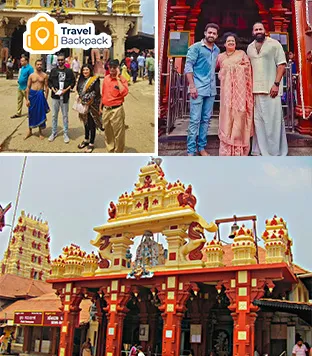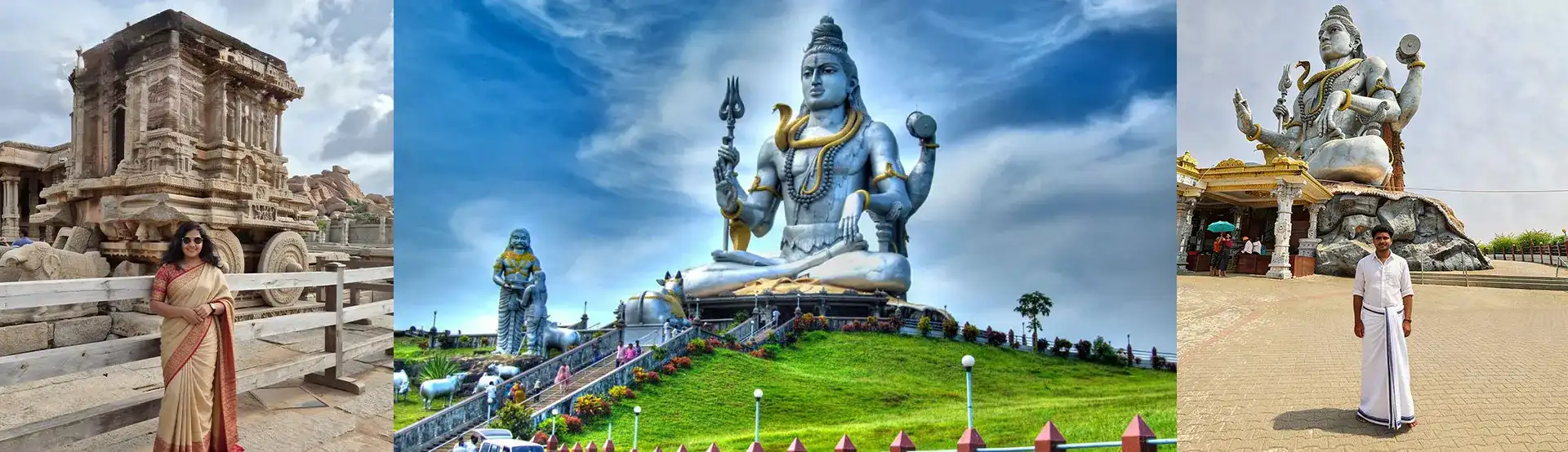
The Murudeshwar Temple dress code focuses on modest and respectful clothing. Visitors should choose outfits that cover the shoulders and legs and avoid clothing that is very short, revealing, tight, or unsuitable for a place of worship. Dressing appropriately can help you avoid any issues when entering the temple and ensure a respectful visit.
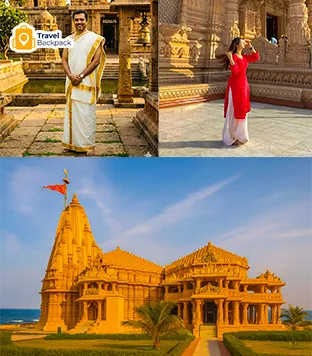
For men, dhoti, kurta-pajama, or long trousers with a modest shirt are suitable choices. For women, sarees, salwar kameez, or modest long dresses are good options. If you are unsure what to wear, choose simple, comfortable clothing that provides good coverage rather than casual beachwear or revealing outfits.
In short, the safest approach is to dress modestly, comfortably, and respectfully. It is also a good idea to check the temple’s latest visitor guidelines before your trip, as dress requirements and entry practices can change.
Why Murudeshwar Temple Has a Dress Code
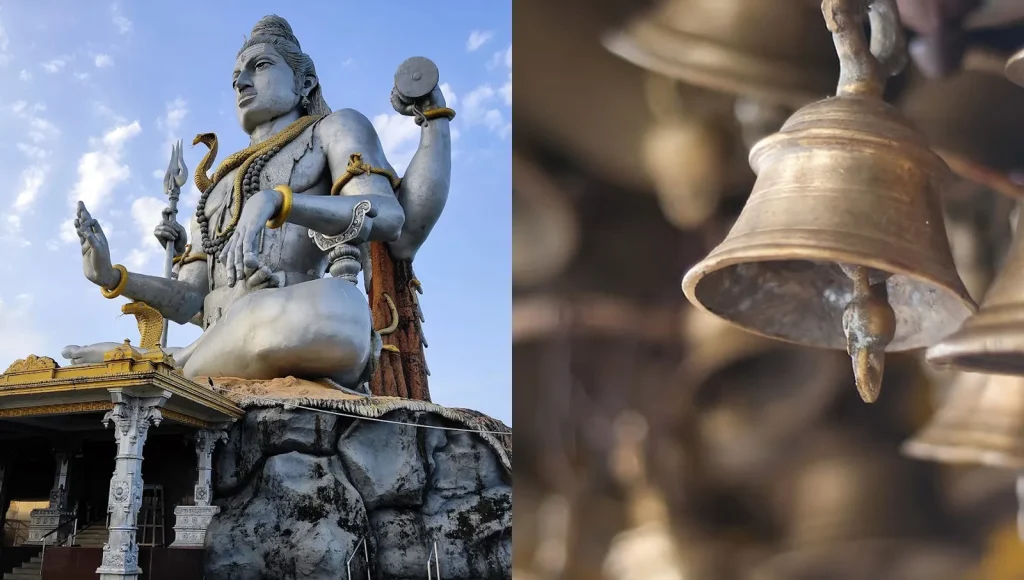
Let’s see why.
It’s Not About Controlling You, It’s About Protecting the Vibe
A lot of people hear “dress code” and instantly feel like it’s too strict or unnecessary. But here, it’s not about controlling what people wear. It’s about protecting the place’s energy. Murudeshwar Temple is not just a tourist attraction. It is a deeply spiritual space dedicated to Lord Shiva. People come here with devotion, emotion, and a mindset very different from a typical day out.
So the environment matters a lot. When everyone is dressed simply and respectfully, the whole space feels calmer. There are fewer distractions. The focus stays on prayer and presence. But the moment people start wearing beachwear or flashy clothes, that feeling slowly breaks. And that’s exactly what the temple is trying to avoid.
The Beach Location Is Exactly Why the Rules Became Strict
Murudeshwar Temple is right next to the beach. So naturally, many people arrive wearing beachwear. Shorts, sleeveless tops, light dresses, and casual outfits feel completely normal when you’re near the sea. No one questions it. But then they walk into the temple area wearing the same outfit. And suddenly, it doesn’t match the environment at all.
This started happening a lot as the place became more popular with tourists. People were coming in outfits that felt too casual or revealing for a sacred space. So the temple authorities had to step in and make things stricter. Not to stop people from visiting, but to maintain respect inside the temple.
What “Sanctity” Actually Means
You’ll hear this word a lot: sanctity. It sounds serious, but it’s actually very simple. Sanctity just means keeping a place pure, peaceful, and respectful. Think of it like this. Some places are loud and casual. Some places are quiet and meaningful. A temple is meant to feel quiet, focused, and calm. The dress code helps protect that feeling, so it doesn’t turn into just another crowded tourist spot.
Murudeshwar Temple Dress Code for Men
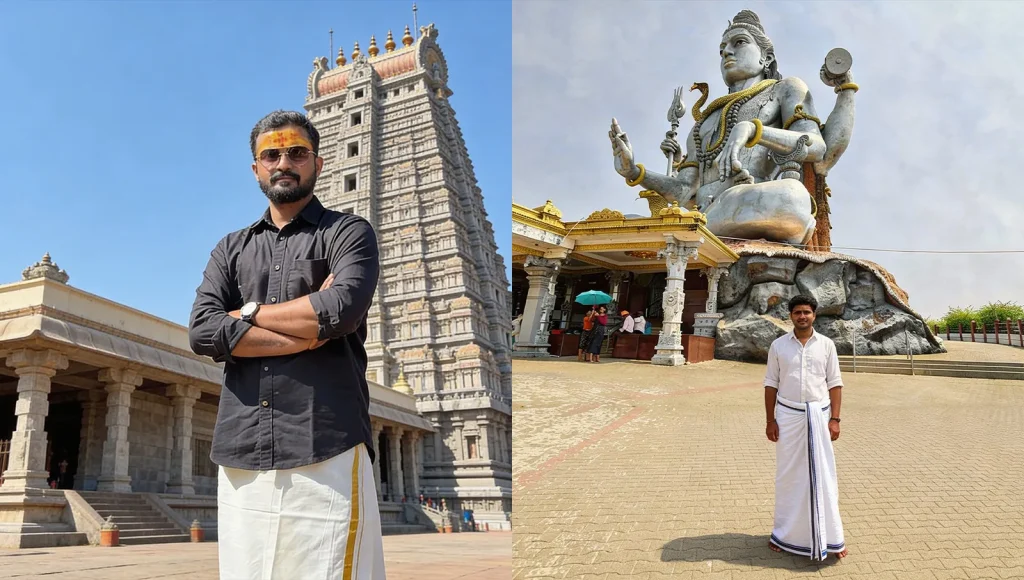
For men, the rules are quite straightforward, but still important to follow properly.
What Men Should Ideally Wear
The most traditional option is a dhoti, also called a panche. A dhoti is a long piece of cloth wrapped around the waist. It might look simple, but it carries significant cultural meaning and is considered very appropriate for temple visits. Now, not everyone is used to wearing a dhoti, and that’s okay. Men can also wear full-length pants, such as trousers. The key thing here is that the clothing should be complete, neat, and respectful. It should not feel like beachwear or something too casual.
So basically, anything long, simple, and decent works.
The Shirt Rule (This One Surprises People)
This is where many people get confused. In some temple areas, especially closer to the inner sanctum, men may be asked to remove their shirts. The inner sanctum is the most sacred part of the temple where the main deity is placed. This practice might feel unusual to someone unfamiliar with it. But it has meaning. It represents humility, which simply means showing respect by being simple and not showing status or style.
Not every visitor is forced to do this, but it’s better to be mentally prepared so it doesn’t feel awkward in the moment.
What Men Should Avoid Wearing (This Is Where Most Mistakes Happen)
This is honestly where most people mess up. Men often think casual clothes are fine, but inside the temple, they are not. Clothes like shorts, half pants, ripped jeans, or anything too flashy or tight are not acceptable. Even if it feels normal outside, inside the temple, it does not match the environment. So instead of guessing what might be okay, it’s safer to stick to simple, full-length clothing.
That way, there’s no risk of being stopped or asked to change.
Murudeshwar Temple Dress Code for Women
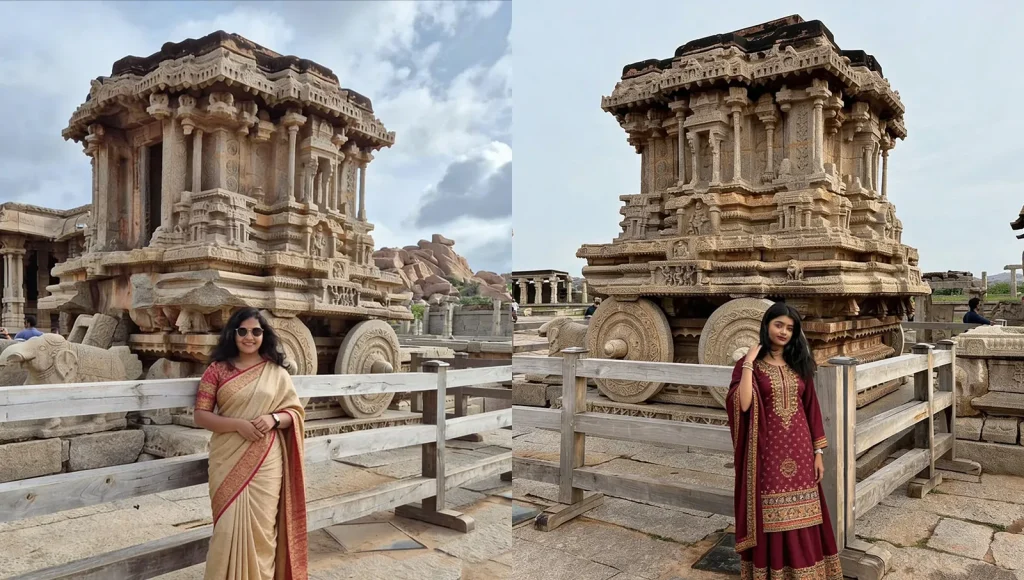
For women, the focus is very clear.
What Women Are Expected to Wear
Clothing should be modest, covered, and not revealing. The most suitable options are sarees, salwar kameez, or long dresses that cover both shoulders and legs. These outfits naturally match the temple environment and are always considered safe choices. The idea is not to dress fancy. It’s to dress respectfully.
Long Dresses Are Allowed, But There’s a Catch
A lot of people ask about long dresses. Yes, they are allowed. But not all long dresses are acceptable. The dress should not be too tight, too short on any side, or too revealing. It should feel comfortable and modest, not draw attention. A simple way to check is this. If you feel like you need to adjust your outfit constantly, it’s probably not the right choice for a temple.
What Women Should Avoid Wearing (This Is Very Important)
There are certain outfits that are clearly not allowed. This includes short skirts, sleeveless tops, crop tops, ripped jeans, and anything that shows too much skin. Even if the place feels touristy from the outside, inside the temple, the expectations are completely different. So it’s better to plan ahead than face issues at the entrance.
Dress Code for Children at Murudeshwar Temple
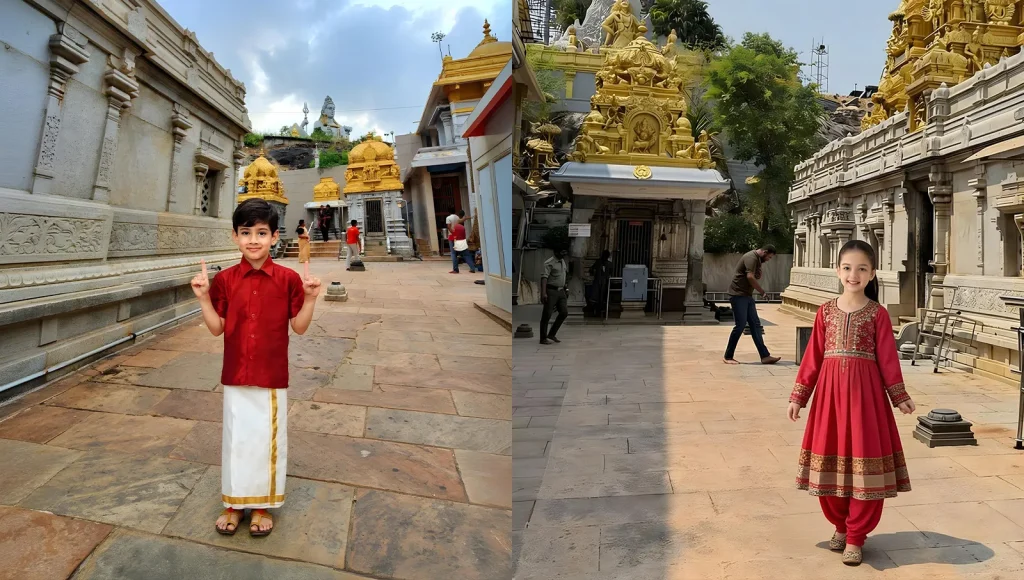
Children do get a little flexibility, but not complete freedom.
Rules for Boys (More Flexible, But Still Respectful)
Young boys can wear simple clothes like shorts or a traditional dhoti. But even then, the clothing should look neat and appropriate, not something too casual or messy. The idea is still the same. Respect the place.
Rules for Girls (Simple and Covered)
Girls can wear long frocks, pavada, or churidar. A pavada is a traditional long skirt worn with a top and is commonly worn in temples. Again, the focus is on modesty. Clothing should be comfortable but also respectful.
Why Children Have Slightly Relaxed Rules
Children are not expected to follow everything as strictly as adults. But they are still part of the temple environment. So their clothing should also match the place’s overall vibe. It’s about balance. Not too strict, but not careless either.
What Happens If You Don’t Follow the Dress Code
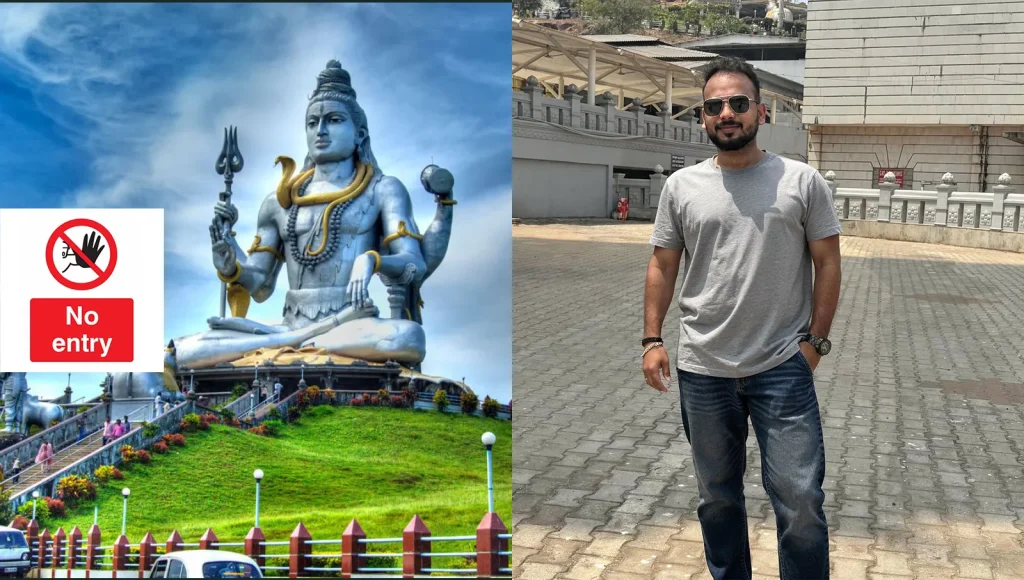
This is something people often underestimate.
You Might Not Be Allowed Inside Certain Areas
If your outfit does not meet the dress code, you may not be allowed to enter certain parts of the temple, especially the inner sanctum. And once you’re stopped, there’s not much you can do in that moment. So it’s better to avoid that situation completely.
You May Be Asked to Change Before Entering
Sometimes, temple staff may ask you to change your clothes. This can feel inconvenient, especially if you were not prepared or didn’t bring extra clothing. It can delay your visit and affect your overall experience.
It Changes How Comfortable You Feel Inside
Even if you manage to enter, wearing something that doesn’t feel appropriate can make you feel out of place. Instead of focusing on prayer, your attention stays on your outfit. That small discomfort can take away from the experience.
What to Do If You Don’t Have the Right Clothes (And You Realize It at the Last Minute)
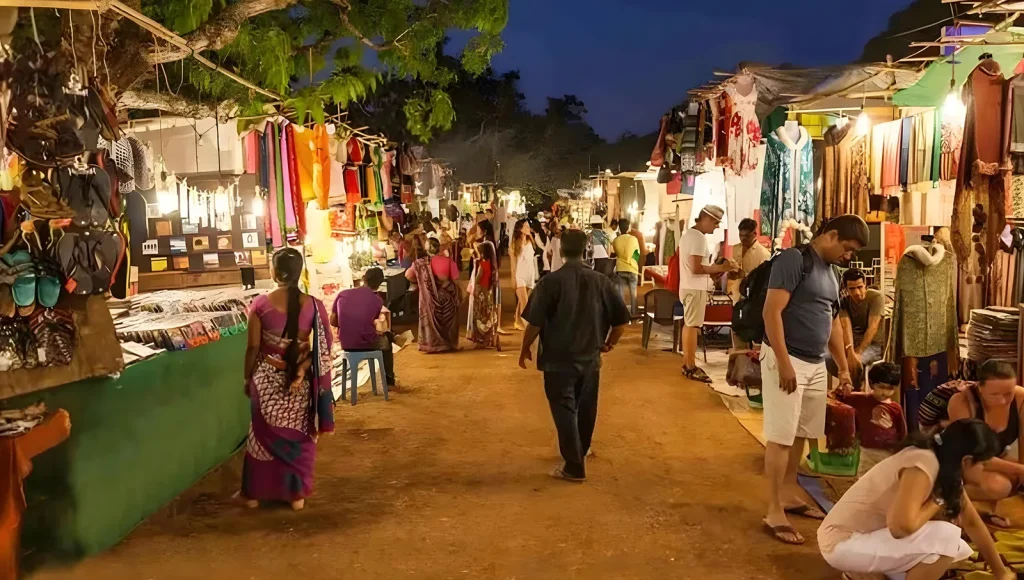
This happens way more often than people admit.
First Reaction Is Panic, But You Actually Don’t Need to Stress
You reach the temple, look around, and suddenly realize your outfit does not match what others are wearing. It hits you in that moment, and your first thought is usually panic. But honestly, this situation is very normal. Murudeshwar Temple gets a mix of devotees and tourists, so many people arrive unprepared. Because of that, the area around the temple is already set up to handle this exact problem.
So instead of stressing, just pause and look around. There are easy fixes right outside.
Shops Near the Temple Are Basically Your Backup Plan
Right outside the temple, you’ll notice small shops and stalls. These places sell, and sometimes even rent, traditional clothes that comply with the temple’s rules. You’ll find dhotis for men, simple shawls, and modest clothing options for women. The process is very quick. You pick something, pay, and you’re ready within minutes. No complicated steps, no confusion. It’s actually designed to make things easy for visitors who didn’t plan ahead.
Buying Clothes Can Feel Like a Better Choice Than Renting
Some people prefer renting, but buying can actually be a smarter move. When you buy, you get clean, fresh clothing that fits better and feels more comfortable. You’re not adjusting or worrying about how it looks. Also, you can keep it. So if you ever visit another temple or a similar place, you already have the right outfit ready.
Changing Feels Awkward at First, But It’s Normal Here
There are basic changing areas around the temple. At first, it might feel slightly uncomfortable or unusual, especially if you weren’t expecting it. But once you see others doing the same, it starts to feel normal. Everyone is just trying to follow the rules and enter peacefully.
Practical Tips That Will Actually Make Your Visit Smooth
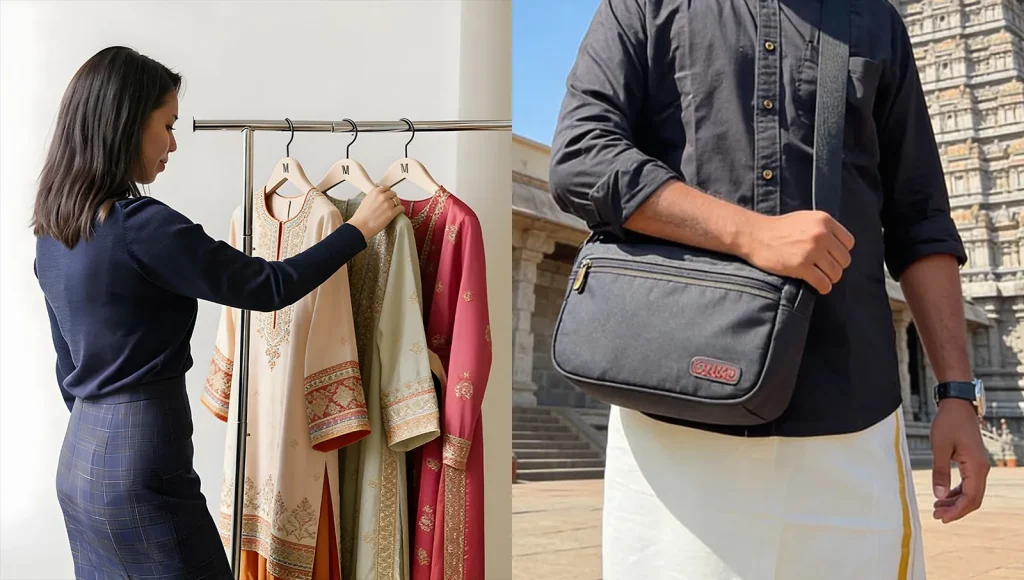
Here’s what you can do.
Plan Your Outfit Before You Even Leave Your Hotel
This sounds obvious, but it saves the most trouble. Instead of reaching the temple and then figuring things out, just decide your outfit before leaving. Keep your clothes ready, wear them properly, and you won’t have to deal with any last-minute stress. This one small step removes a lot of unnecessary tension.
Choose Clothes That Feel Light Because the Weather Can Be Heavy
Murudeshwar is a coastal place, which means the weather can feel warm and slightly sticky. “Humid” basically means the air feels heavy, like you can almost feel it on your skin. So wearing thick or tight clothing can make you uncomfortable very quickly. Light, breathable clothes help you stay calm and focused, especially when standing in lines or walking around.
Keep Extra Time in Your Plan, Even If You Think You Don’t Need It
People often underestimate how long small things take. Changing clothes, finding your way, waiting in line, all of this adds up. If you plan everything too tightly, even a small delay can make you feel rushed. But when you give yourself extra time, everything feels relaxed.
Carry Less, Because You Won’t Be Allowed to Take Everything Inside
Many people don’t realise this. Certain items are not allowed inside the temple, especially mobile phones, cameras, and other electronics. You’ll need to leave them outside in storage areas. So carrying too many things just creates extra steps. When you travel light, the whole process becomes easier and faster.
Accept the Rules Early Instead of Questioning Them Later
This is more about mindset than planning. Some people keep questioning the rules once they arrive. Why this, why not that, why so strict? But that thinking just creates frustration. The moment you accept that this is how the temple works, everything feels easier. You adjust faster, move faster, and enjoy the experience more.
Common Mistakes People Make (And Then Regret Later)
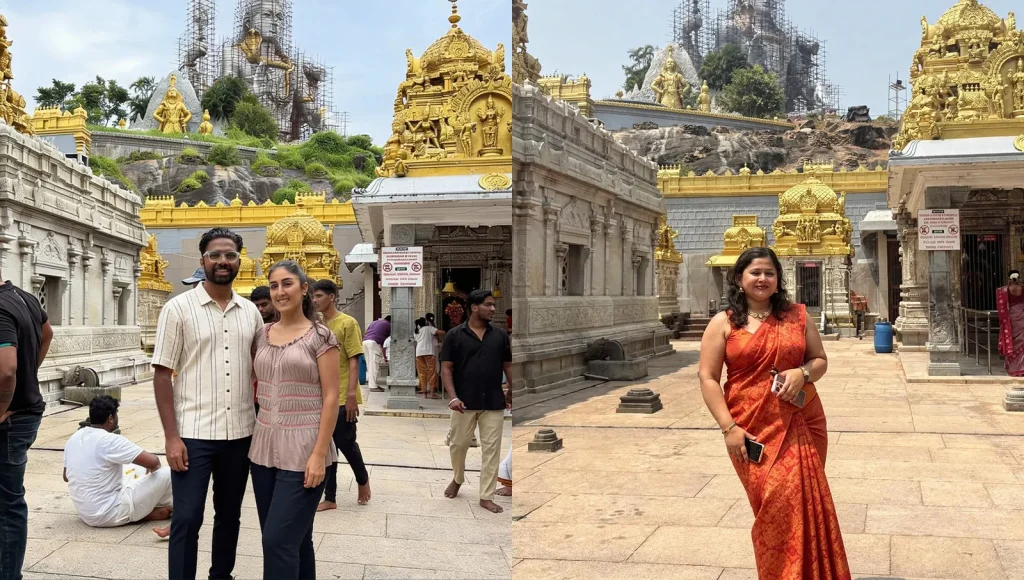
Here are some mistakes.
Thinking “This Should Be Fine” Without Checking Properly
This is probably the biggest mistake. People look at their outfit and think, “It’s decent enough, it should work.” But temples like Murudeshwar don’t work on “should be fine.” They follow clear expectations. So instead of guessing, it’s always better to go with something you’re sure about.
Wearing Clothes That Almost Fit the Rules
Some outfits look traditional but are not actually appropriate. Like tight leggings without proper coverage, or short kurtas that don’t fully cover. These fall into that “almost correct” category. And in places like this, almost correct is still incorrect.
Forgetting That It’s a Temple, Not Just a Tourist Spot
Because Murudeshwar is so beautiful and close to the beach, people sometimes forget its main purpose. It’s easy to treat it like a sightseeing place. But for many devotees, this is a sacred space. That shift in mindset is important. Once you remember that, your behaviour and clothing naturally align with the environment.
Assuming Rules Will Be Relaxed for Tourists
Some visitors think rules might be more flexible for tourists. But that’s not how it works here. The rules are the same for everyone. So it’s better to prepare rather than expect exceptions.
Final Thoughts
At the end of the day, this is not just about clothes. It’s about how you show up. Murudeshwar Temple is not just a place you visit quickly and leave. It’s a place where people come with intention, with belief, and with a quiet kind of respect. The dress code is just one small part of that. But it plays a big role in how the whole experience feels. When you dress in a way that matches the space, everything feels more natural.
FAQs
It depends. Simple jeans may be allowed in outer areas, but they are not considered ideal, especially if they look tight or ripped. It’s always safer to choose traditional or modest clothing.
No, not really. Even if the outfit is long, sleeveless tops are usually not accepted because the shoulders should be covered.
Technically, yes, but practically not recommended. If you’re coming from the beach in casual clothes, you will likely need to change before entering the temple.
Yes. Temple staff do observe what visitors are wearing. If something clearly does not match the dress code, they may stop you from entering.
No. The rules apply to everyone equally, whether local or tourist.
Yes. For men, a simple dhoti or full-length pants. For women, saree or salwar kameez. These options are always safe and accepted.
Not always, but it’s a smart idea. It gives you flexibility and saves you from last-minute stress.
Then the entry can be denied. The temple takes these rules seriously, so it’s better to follow them instead of trying to work around them.