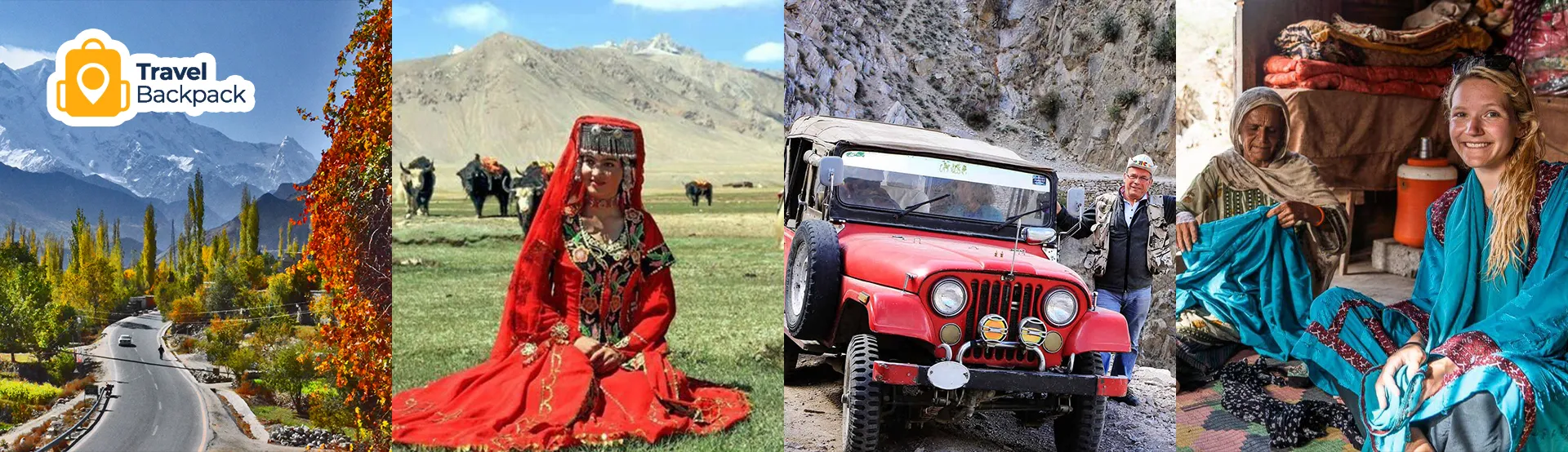
Pakistan is not an easy country to travel in. And that’s precisely why it stays with you.
It’s the kind of place where strangers will insist on paying for your tea, where mountains rise suddenly out of nowhere, and where a casual conversation can turn into an invitation to someone’s home. You will feel both welcome and overwhelmed.
When going to North on Wheels, directions can change mid-journey, and answers are not always clear. But in between all of that, some moments feel unexpectedly generous and deeply human. This guide helps you understand what Northern Pakistan is actually like, so you can plan with clarity rather than assumptions.
Pakistan at a Glance
Pakistan stretches from the Arabian Sea in the south to some of the highest mountains on Earth in the north. The northern regions lie where three major mountain ranges meet: the Himalayas, the Karakoram, and the Hindu Kush. That’s why the scenery changes fast and dramatically.
You’ll move from dusty plains to deep valleys, glacier-fed rivers, and snow-covered peaks within a day’s drive.
Provinces and regions
Pakistan comprises four provinces and several administrative areas.
- Punjab is the cultural and political centre, home to Lahore.
- Sindh includes Karachi, the largest and busiest city.
- Khyber Pakhtunkhwa (KPK) is mountainous and deeply conservative in parts.
- Balochistan is vast, underdeveloped, and not recommended for tourists.
- Gilgit-Baltistan (GB) is where most northern travellers go.
- Azad Jammu & Kashmir (AJK) is scenic but administratively complex.
Northern travel mainly focuses on Gilgit-Baltistan and upper KPK.
Where to Go in Northern Pakistan
Here are our top 3 favourites.
Hunza
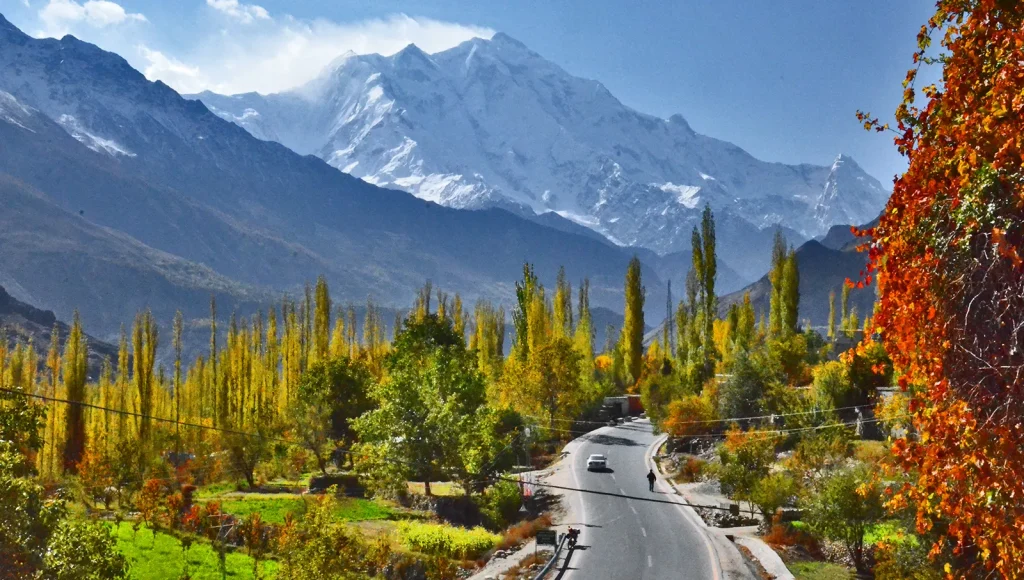
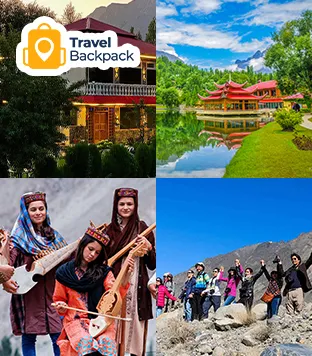
Hunza is often the easiest place to fall in love with Northern Pakistan, especially if it’s your first visit. It is beautiful without being overwhelming, developed enough to travel comfortably, and scenic at almost every turn. Roads are better here, accommodation options are varied, and the views start the moment you arrive. You can take slow walks, sit with chai looking out at the mountains, or explore nearby villages without feeling rushed.
Skardu
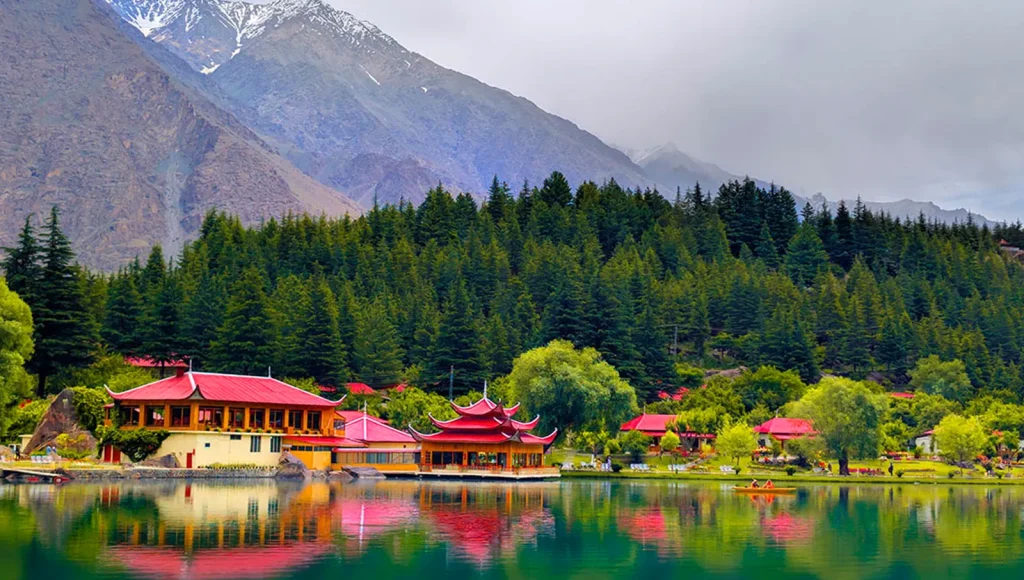
Skardu is more intense, both in its landscape and in its experience. The scenery is raw and dramatic, with wide-open spaces, stark mountains, and a sense of being far from everything familiar. Getting there takes longer, whether by road or flight, and plans often require flexibility. But once you’re there, the payoff is huge.
Swat
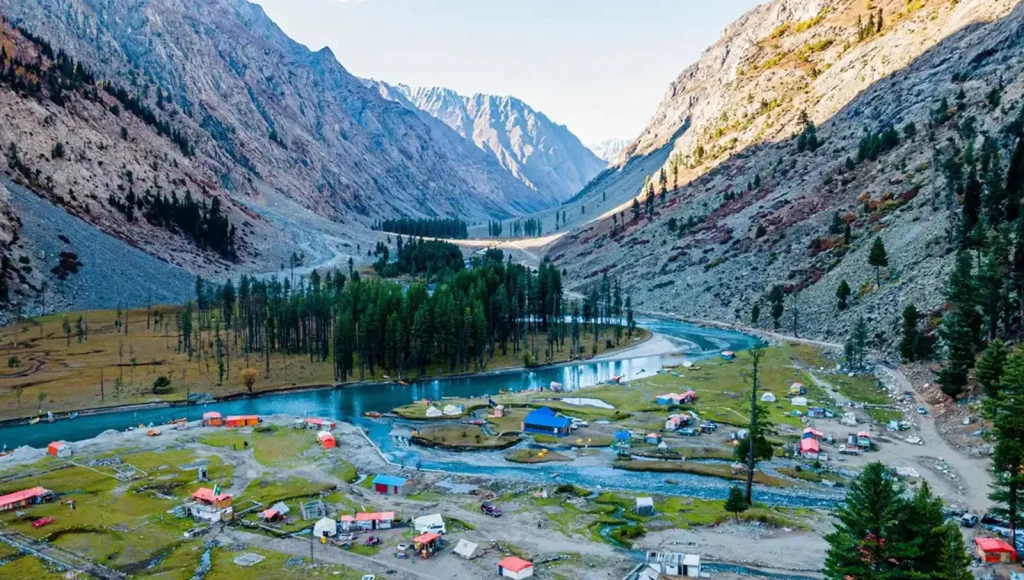
Swat is green, accessible, and easier to reach compared to the higher northern valleys. The roads are smoother, the towns are more developed, and it’s a popular choice for both local families and first-time visitors. Rivers, forests, and open valleys give Swat a softer feel compared to Skardu’s rugged terrain.
More amazing places that you should add to your list:
- Gilgit
- Fairy Meadows
- Passu
- Karimabad
- Gojal Valley
- Attabad Lake
- Phander Valley
- Shigar Valley
- Khaplu
- Deosai Plains
- Astore Valley
- Rama Meadows
- Chitral
- Kalash Valleys
- Kumrat Valley
- Dir Valley
- Naran
- Kaghan
- Saif-ul-Maluk Lake
- Malam Jabba
- Travel Time Reality
Local tour guides will help you create customised itineraries so you can see all these places in one go.
The Hospitality Paradox
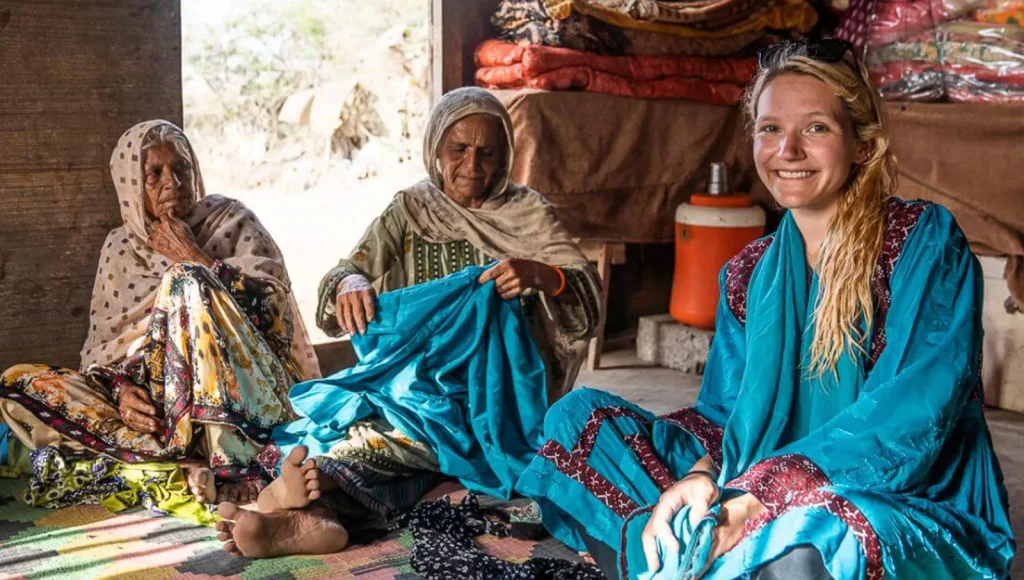
People in Pakistan are genuinely kind. They offer tea, food, and help because that’s just how life works here. No one is doing it for show or expecting anything back.
Travelling here also teaches you to slow down and relax into the moment. Things don’t feel rushed, and people take time with each other. When you stop worrying about perfect plans and just go along with how the day unfolds, the experience becomes easier and more enjoyable. The warmth you feel from people stays with you long after the trip ends.
Visa and Entry Requirements
Most travellers will need a visa to enter Pakistan. The good news is that Pakistan now offers an online e-visa system for many nationalities, making the process much easier than before. Still, it’s best to apply well in advance.
What you’ll need to apply
When you apply for the e-visa, you’ll be asked to upload a few basic documents. This usually includes a scanned copy of your passport, a recent passport-style photo, and proof of your accommodation. This can be a hotel booking or a Letter of Invitation (LOI) from a tour operator, hotel, or local contact. You’ll also need to pay the visa fee online during the application process.
Once your visa is approved, print everything out. Even if you have it saved on your phone, paper copies make the immigration process smoother. Officers often prefer printed documents, and having them ready can save you time and unnecessary questions when you arrive.
Getting Around Pakistan
There are three best ways.
Domestic Flights
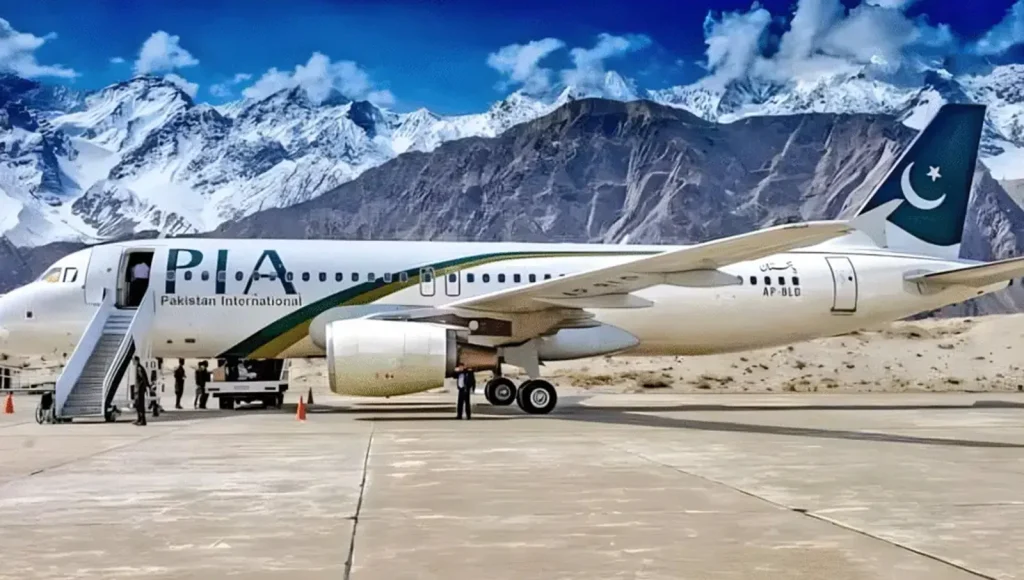
Flying is the fastest way to travel long distances in Pakistan, especially if you’re short on time. Many people planning a trip to Northern Pakistan consider flying to destinations such as Skardu or Gilgit to save days on the road. That said, flights to the north are weather-dependent.
If you choose this option, always include buffer days in your itinerary so a cancelled flight doesn’t disrupt your entire plan.
Buses
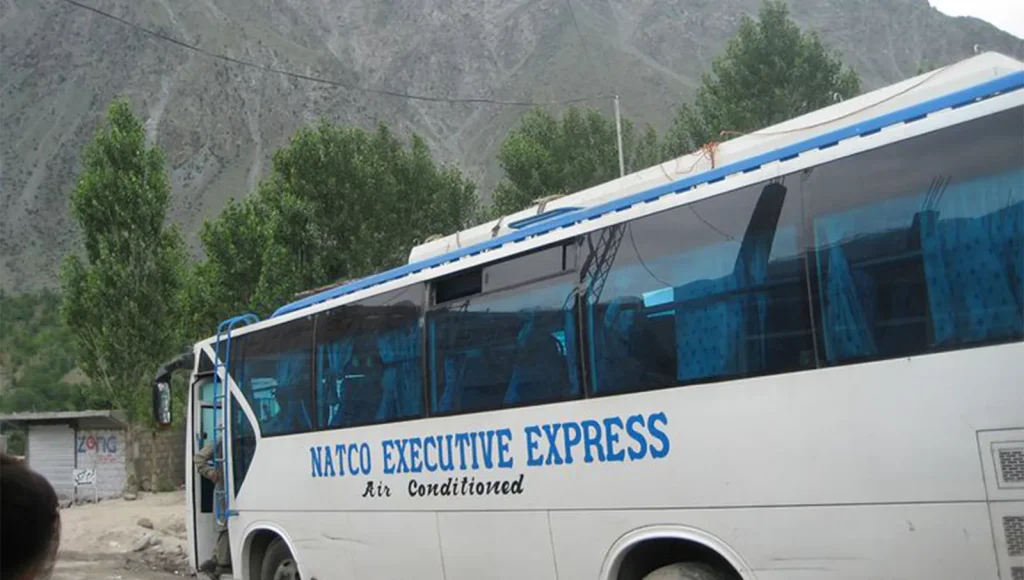
Buses are among the most reliable ways to travel across the country, especially for long-distance travel. These buses are air-conditioned, have assigned seating, and generally run on schedule, even if the journeys themselves are long. You can travel with a tour and meet like-minded Pakistanis. This will enhance your journey and help you make amazing friends.
Cars and Drivers
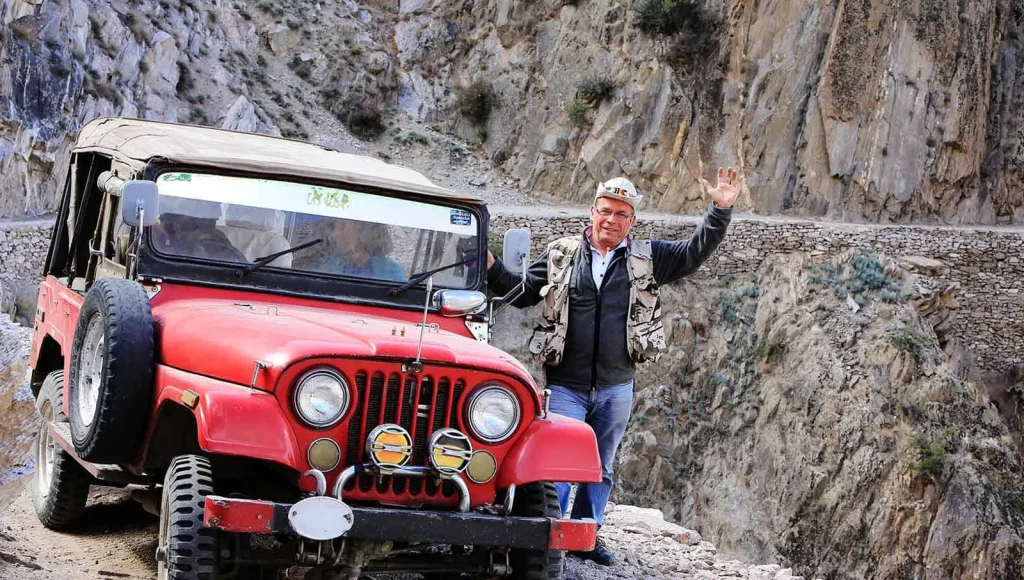
For a trip to Northern Pakistan, travelling by road is often the most rewarding option. Hiring a car with a local driver gives you freedom, flexibility, and peace of mind. Mountain roads can be rough and unfamiliar, especially if you’re not used to driving in that kind of terrain. Local drivers know the shortcuts, road conditions, and safe stopping points, which makes the journey smoother and less stressful.
More importantly, it allows you to slow down, stop to take in the views, and actually enjoy the landscape rather than focus on navigation.
When to Visit Northern Pakistan
Here’s when you should visit.
Late May to Early October: The Main Travel Season
This is the most popular time to visit Northern Pakistan, and for good reason. Roads are open, valleys are accessible, and most guesthouses and hotels are fully operating. You’ll be able to move between places like Hunza, Skardu, and Fairy Meadows without worrying too much about closures.
June and September: The Sweet Spot
If you’re looking for the most balanced experience, June and September are your best months. In June, everything feels fresh and lively after winter, and crowds haven’t fully peaked yet. September is calmer, with clearer skies and fewer tourists. These months are ideal if you want favourable conditions without feeling rushed or crowded.
August: Monsoon Season
While the landscapes look green and dramatic, this month brings monsoon rains to many parts of the north. Heavy rainfall can lead to landslides, road closures, and long travel delays. Some people still visit in August, but it’s not ideal if you’re on a tight schedule or prefer a more predictable schedule.
Winter Travel: For a Very Different Experience
Winter travel in Northern Pakistan is limited and very different from summer trips. Many roads close due to snow, and access to high-altitude areas becomes difficult or impossible. That said, if you’re visiting for snow, quiet valleys, or winter photography, destinations such as Hunza or parts of Swat can still be visited with proper planning. Just know that winter travel requires flexibility and preparation.
Money Matters
Here’s what you can carry and follow.
Cash vs. Cards

Cash is still the easiest way to get around in Pakistan, especially outside major cities. While credit and debit cards may work at big hotels, shopping malls, and a few higher-end restaurants, they aren’t reliable everywhere. Smaller shops, local cafés, transport, and markets usually only accept cash. It’s best to think of cards as a backup, not your primary payment method.
ATMs
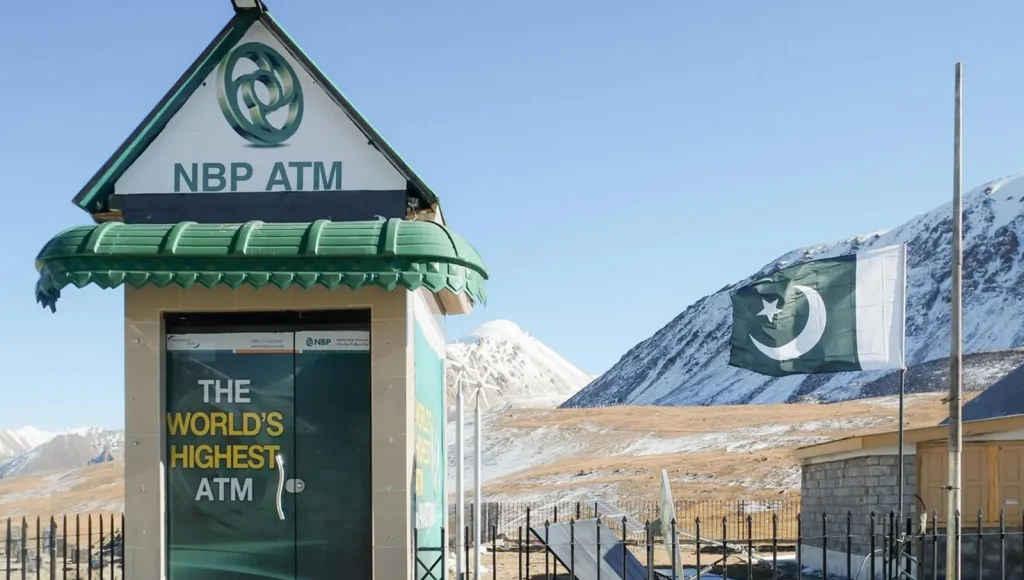
ATMs are available in larger cities like Lahore, Islamabad, and Karachi, but even there, not every machine accepts foreign cards. In northern areas, ATMs can be hard to find or unavailable. Always withdraw enough cash before heading north, and carry some extra just in case.
Tipping
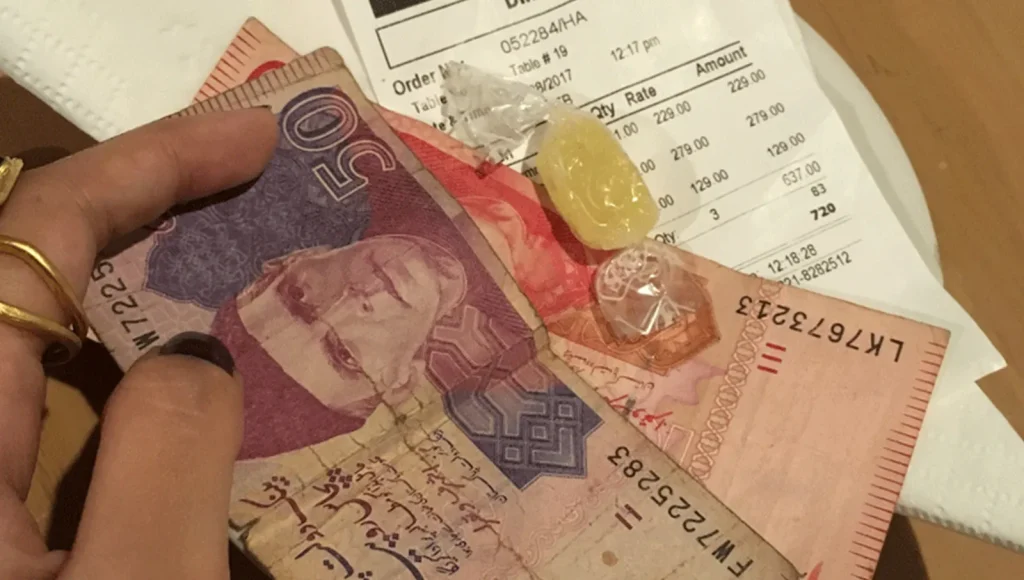
Tipping is essential in Pakistan and is genuinely appreciated. Many service workers rely on tips to supplement very low wages, so even a small amount can go a long way. Whether it’s a driver, porter, hotel staff member, or guide, being generous when you can makes a real difference. There’s no strict rule, so just tip what feels fair and kind.
Safety and Reality Check
Many areas that travellers visit regularly feel calm, welcoming, and well-managed, especially places that already see tourism. At the same time, there are regions where travel requires more planning and awareness.
Areas That Are Generally Safe for Travelers
Places like Hunza, Skardu, and Gilgit in the north are among the most visited by both local and international travellers. These regions rely heavily on tourism, and visitors are usually treated with care and curiosity.
Areas Best Avoided for Tourism
Most of Balochistan and the regions near the Afghan border are not suitable for casual travel. These areas have security sensitivities and limited infrastructure for tourists. Even locals tend to avoid unnecessary travel here unless there’s a specific reason and proper arrangements in place.
A Note on Solo Female Travel
While social media can make it look easy or romantic, the reality is different. Unwanted attention and discomfort can happen, especially outside controlled environments. Travelling in a group, with a guide, or with at least one male companion significantly reduces these risks and makes the experience more comfortable and enjoyable.
We know that sounds off, but honestly, we would rather that you’re safe than lie about it.
Cultural Etiquette
Follow these simple guidelines.
Dress
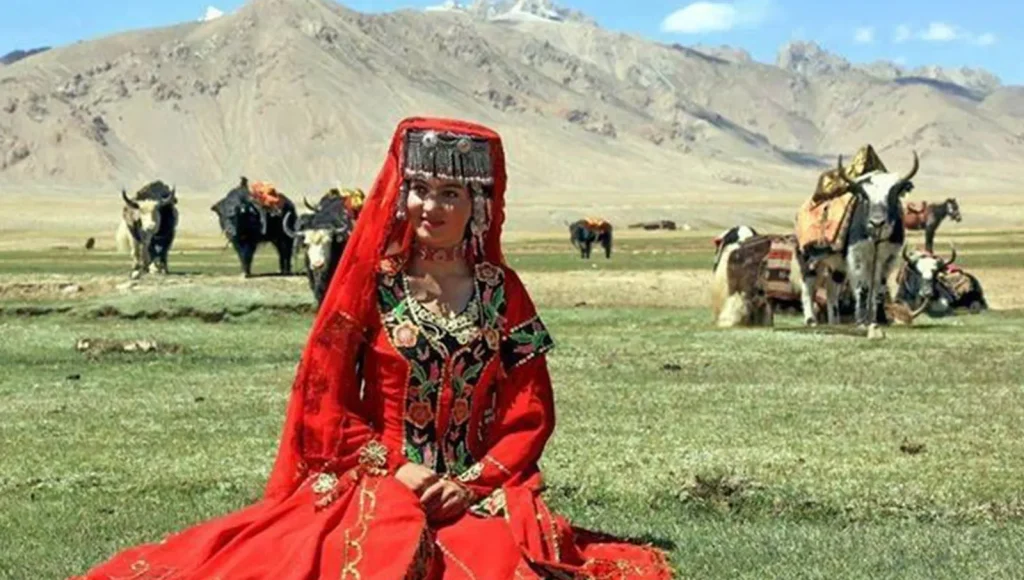
Modest, loose clothing works everywhere. Women should cover their arms and legs. A scarf helps in rural areas.
Photography
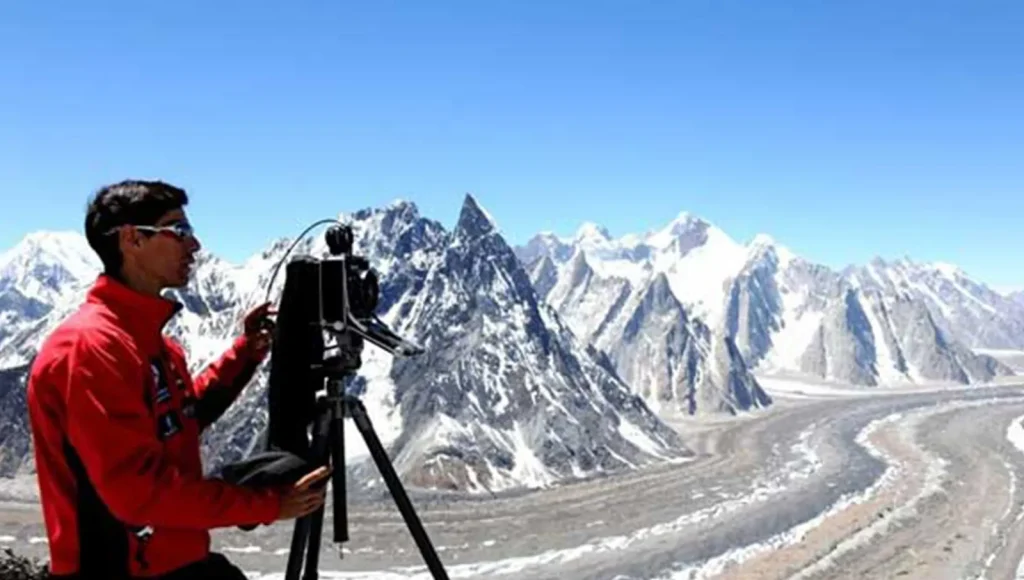
Always ask before photographing people. Never photograph military sites.
Public behavior
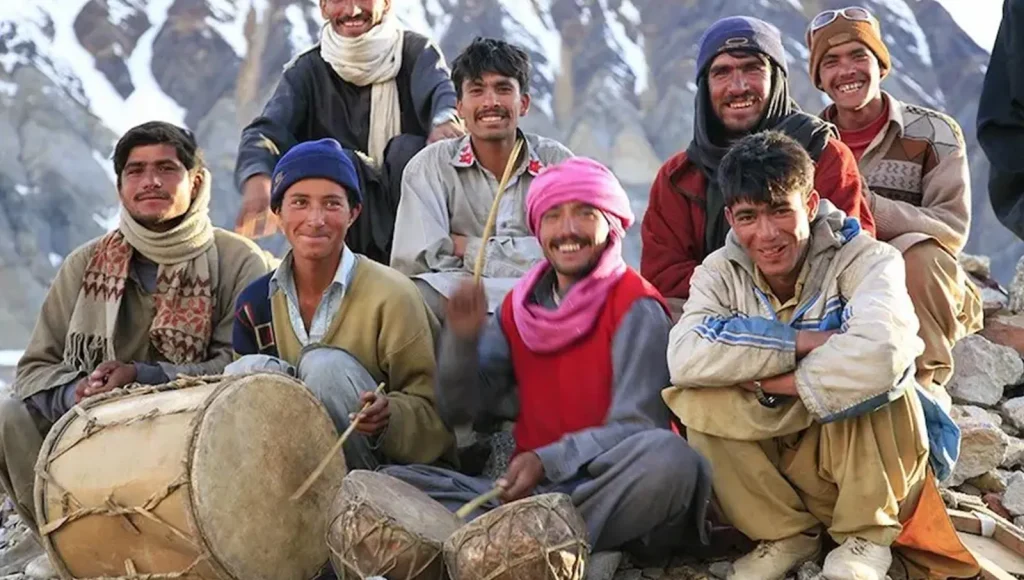
Public affection between men and women is frowned upon.
Language and Communication
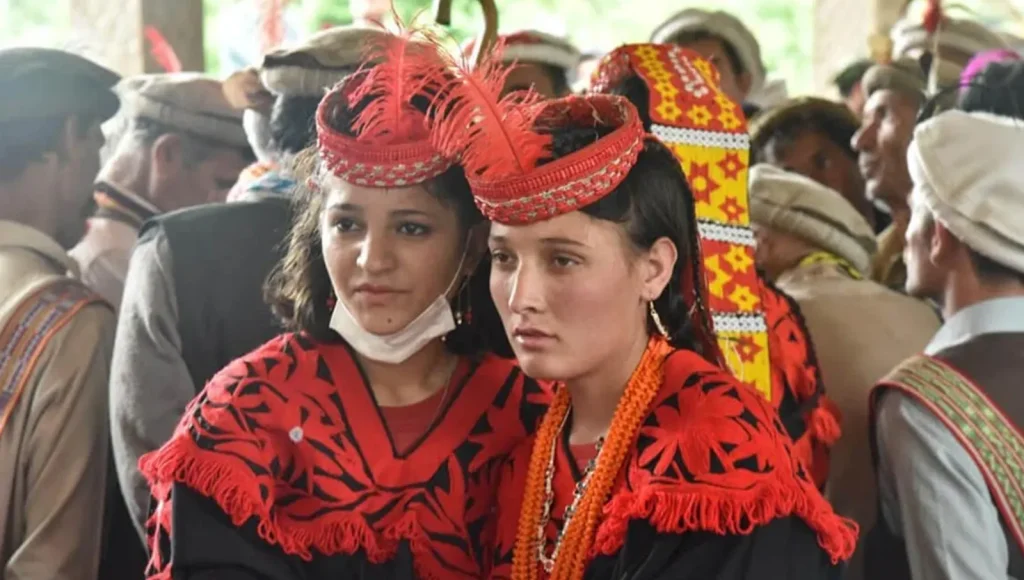
English is widely spoken in cities. Urdu is not everyone’s first language. Regional languages dominate outside Punjab.
Final Thoughts
If you come prepared, open-minded, and realistic, Northern Pakistan can be deeply rewarding. Not because it’s perfect, but because it’s real. The places to visit in Pakistan’s northern regions will leave lasting impressions, and we promise you’ll miss the warmth of its people.
FAQs
Do I need a guide to travel in Northern Pakistan?
If you plan to hike, visit remote valleys, or travel during the shoulder season, having a local guide makes the experience smoother and safer.
How many days should I plan for a trip to the north?
A minimum of 7-10 days is ideal if you want to enjoy the mountains without rushing.
Will I get sick from the food or water?
Stick to bottled or filtered water and eat at busy, local places where food is freshly made. Stomach issues can still happen, even if you’re careful. Carry basic medicines and avoid raw or uncovered food, especially on the road.
Is mobile internet reliable in the north?
It works in main towns but drops off once you leave them. Don’t expect a constant signal.