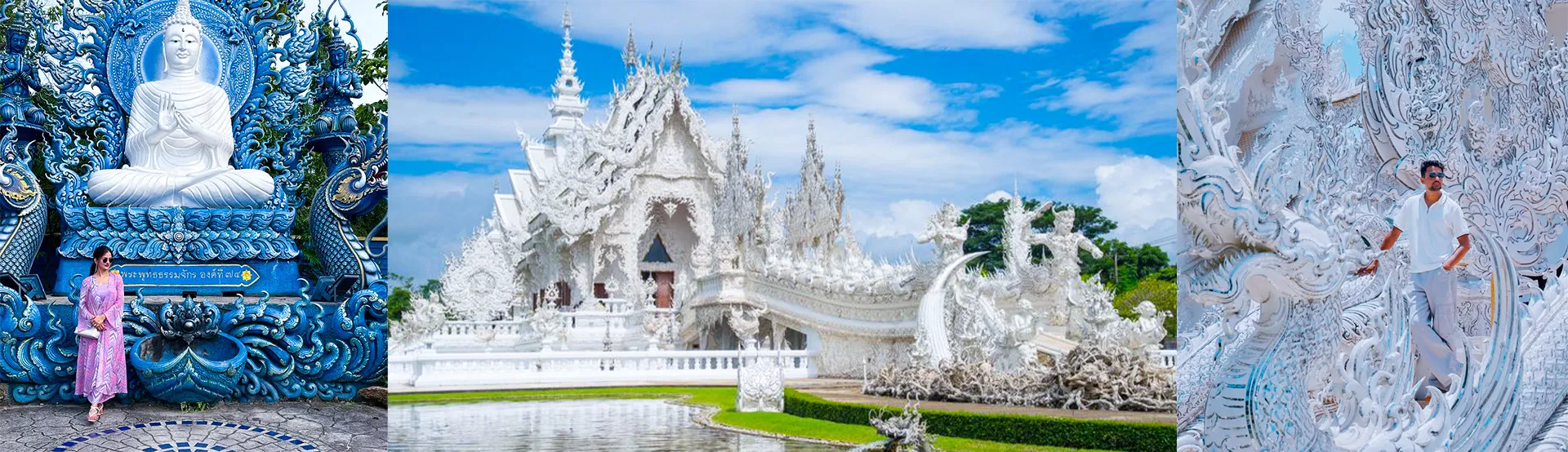
If you are planning to visit the famous White Temple in Chiang Rai, there is one thing you should sort out before thinking about photos, tours, or what time to arrive. Your outfit. And honestly, a lot of first-time visitors get caught out by this. People spend weeks planning their Thailand trip, book transport, save Instagram posts, and then show up wearing a tank top or shorts. A few minutes later, they are being told they cannot enter until they cover up.
Not exactly the dream start. The good news is that the White Temple dress code is actually very simple once you know the rules. The main thing to remember is this:
- Cover your shoulders.
- Cover your knees.
- Dress respectfully.
That one rule will solve most problems before they even happen.
What Is the White Temple Chiang Rai Dress Code?
The White Temple, also known as Wat Rong Khun, follows a modest dress code for all visitors (Thailand Temple Dress Code). Wat Rong Khun is the Thai name of the White Temple. It is one of Thailand’s most famous landmarks and attracts visitors from around the world for its unique white design and incredible artwork.
Even though it is a major tourist attraction, it is still a sacred Buddhist site. That means visitors are expected to dress respectfully while exploring the grounds and entering temple buildings.
The Basic Dress Code Rules
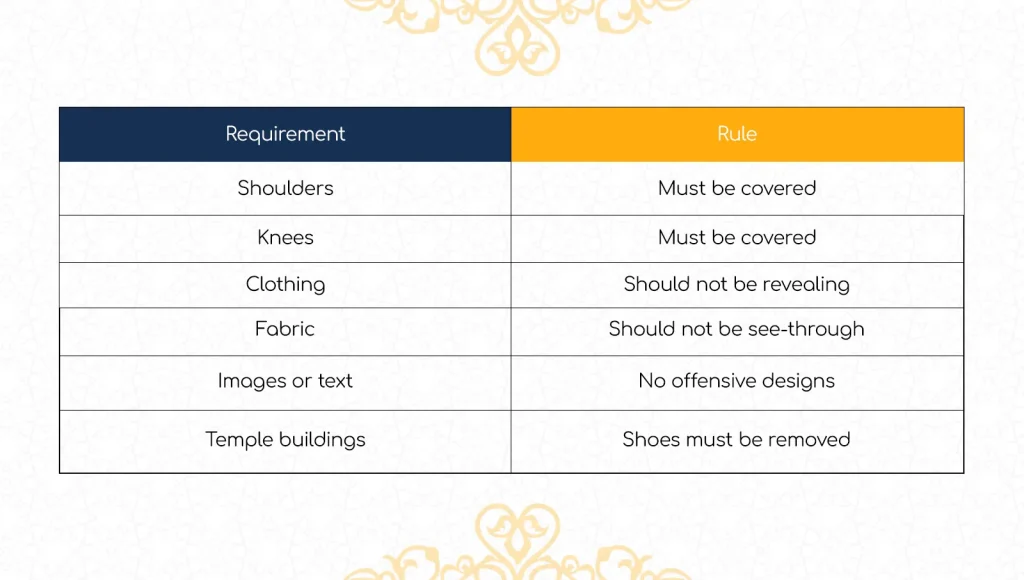
If you can remember those six things, you will be fine.
Why Does the White Temple Have a Dress Code?
This question comes up a lot. Some visitors wonder why clothing matters when they are only there for sightseeing. The answer is pretty simple. The White Temple is not just an art attraction. It is also a place connected to religion, spirituality, and worship. Thailand is a predominantly Buddhist country, and temples are treated with a high level of respect. Dressing modestly is one way visitors show respect for local culture and religious traditions.
Think of it this way. You are a guest in a sacred space. The dress code is simply part of being respectful while visiting.
What Should Women Wear to the White Temple?
Women have plenty of options that follow the rules without feeling uncomfortable in Thailand’s heat. The weather in Chiang Rai can be hot and humid, especially in the middle of the day. Humid means the air contains a lot of moisture, which can make temperatures feel even warmer. That is why lightweight clothing usually works best.
Best Outfit Choices for Women
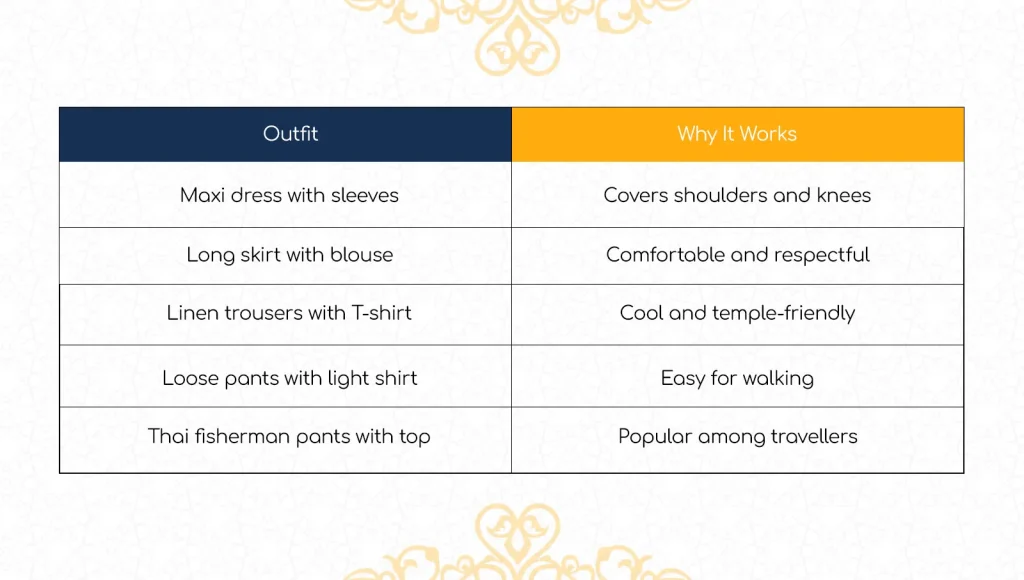
Thai fisherman pants are loose, wrap-style trousers commonly worn in Thailand. They are lightweight, breathable, and very comfortable for temple visits. Many travellers end up buying a pair because they work so well in the heat.
What Women Should Avoid
Certain outfits that are completely fine at beaches, cafes, or shopping areas are not appropriate for the White Temple.
Avoid:
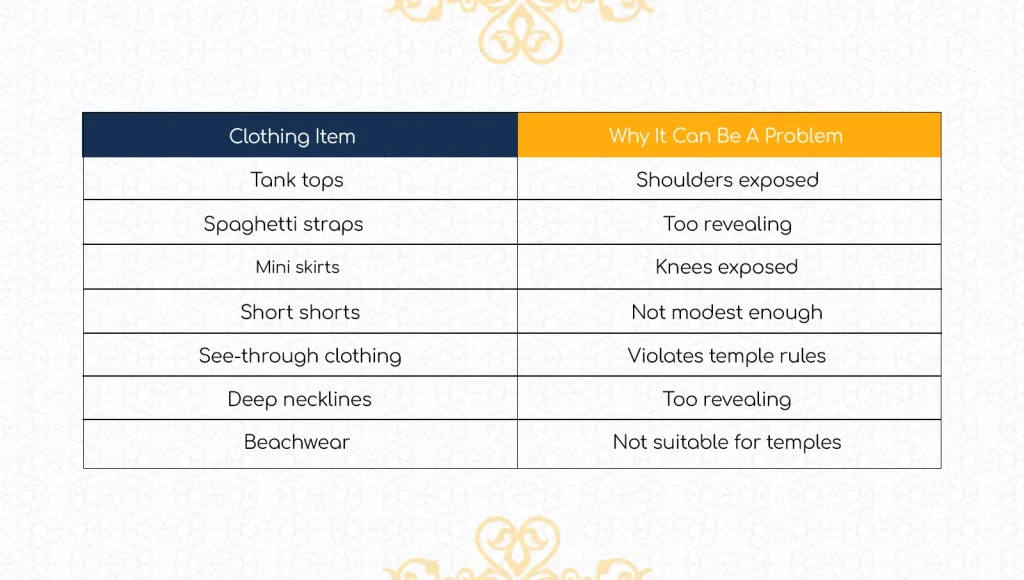
A good rule is simple: If it feels like something you would wear directly to the beach, it probably is not suitable for the White Temple.
What Should Men Wear to the White Temple?
Men often assume dress codes only apply to women. That is definitely not true here. The White Temple dress code applies to everyone. Men must also cover their shoulders and knees. Thankfully, this is usually very easy.
Best Outfit Choices for Men
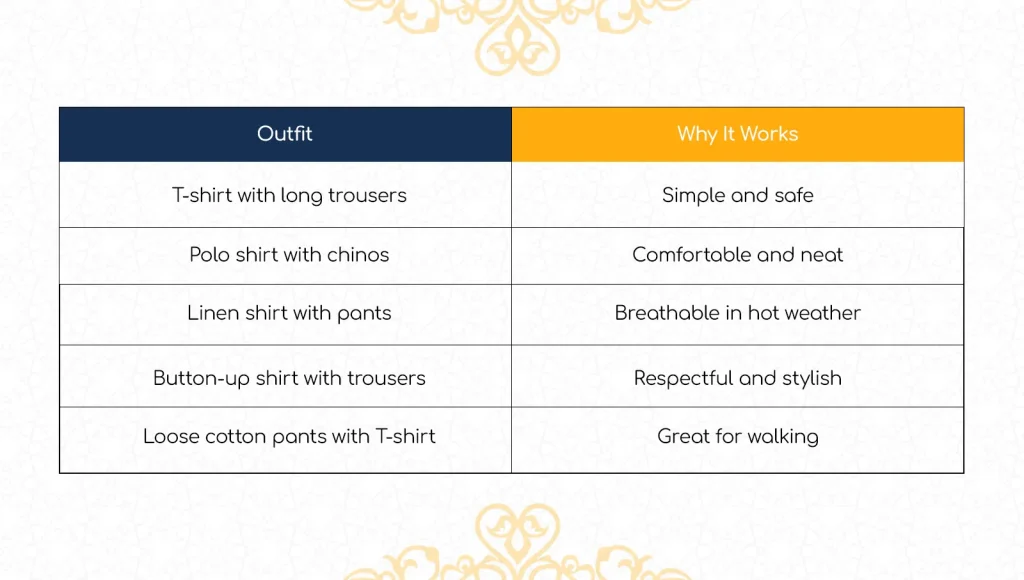
Most travellers already have clothing that works. There is usually no need to buy anything special before visiting.
What Men Should Avoid
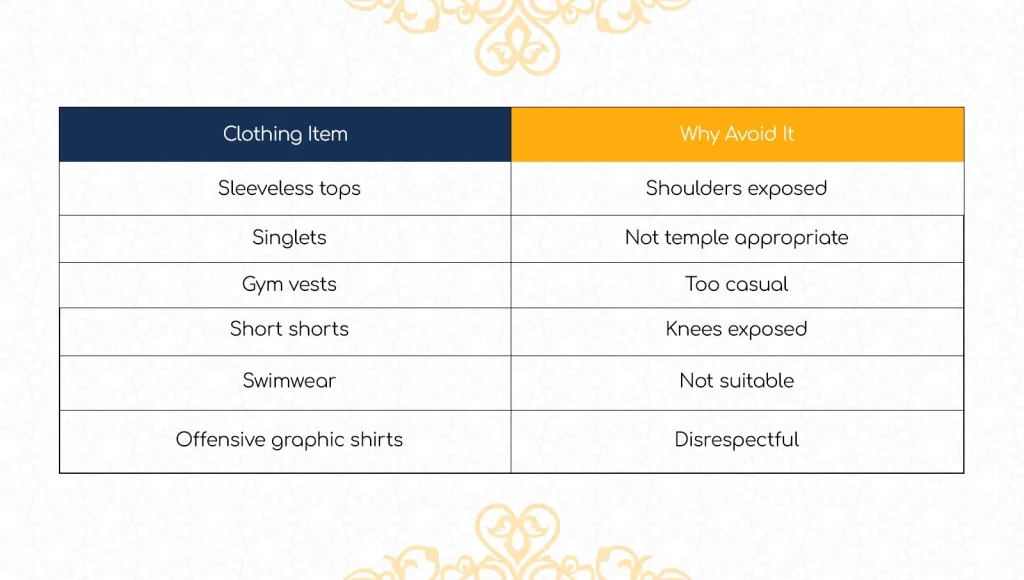
A simple T-shirt and long trousers will solve almost every issue.
Can You Wear Leggings to the White Temple?
This is one of the most searched questions online. The answer depends on how the leggings are worn. Technically, leggings cover the legs. The problem is that they are very tight. Some temples view tight clothing as too revealing, even if the skin itself is covered. That is why many visitors wear leggings underneath a long dress, long tunic, or oversized shirt. That combination is usually much safer than leggings on their own.
What Happens If You Arrive Wearing the Wrong Clothes?
This happens more often than people think. Especially among first-time visitors who are travelling around Thailand in shorts and sleeveless tops because of the heat. If your outfit does not meet the White Temple dress code, staff may stop you before entry. Thankfully, there is usually a solution. Many visitors can rent or borrow a cover-up, sarong, or shawl near the entrance area.
A sarong is a large piece of fabric that can be wrapped around the waist or body to provide extra coverage. Still, relying on rentals is not ideal. It is much easier to arrive dressed correctly from the start. Not only does it save time, but it also avoids unnecessary queues and hassle.
The White Temple Is Stricter Than Many Other Temples
Not all temples in Chiang Rai enforce the dress code in exactly the same way. Some smaller temples can feel more relaxed. The White Temple is not one of them. Because it receives thousands of visitors every week, staff actively monitor what people are wearing. That means there is less flexibility compared to some local temples. If your shoulders or knees are clearly visible, there is a good chance you will be asked to cover up before entering.
This is why the White Temple often has a reputation for being one of the stricter temple sites in Chiang Rai. And honestly, once you see the number of visitors arriving every day, it makes sense.
Is the Blue Temple Dress Code the Same as the White Temple?
A lot of visitors plan to see multiple temples in one day. Usually, that includes the White Temple, the Blue Temple, and sometimes the Big Buddha Temple as well. Because of that, many people ask if they need different outfits for each location.
The simple answer is no.
The same modest outfit that works for the White Temple will also work for most major temples in Chiang Rai.
The Blue Temple, officially known as Wat Rong Suea Ten, is slightly more relaxed than the White Temple, but it is still an active place of worship. Active means people genuinely come there to pray and practice their faith, not just take photos. That is why respectful clothing is still expected.
Blue Temple Dress Code Basics
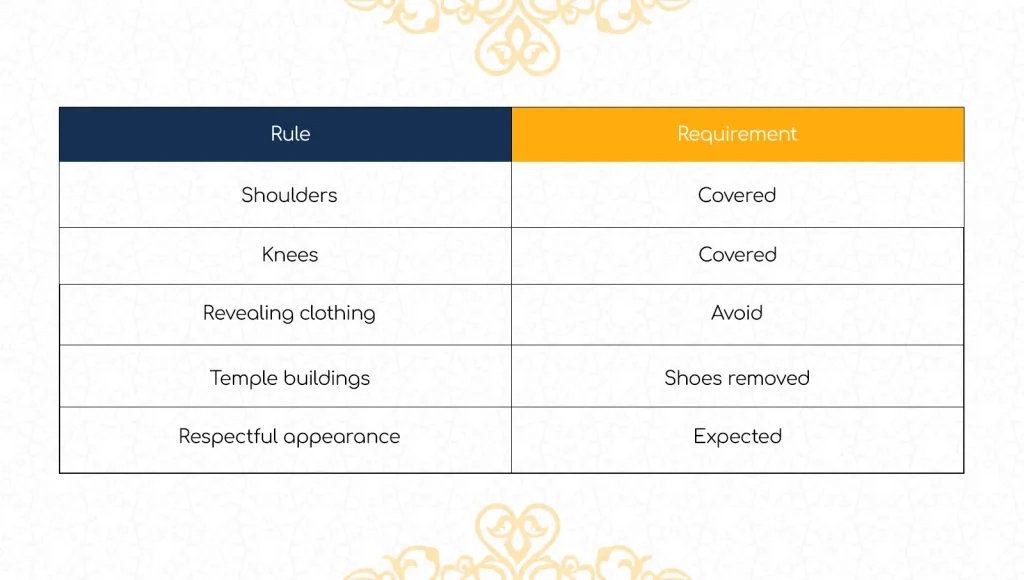
If your outfit follows the White Temple dress code, you generally will not need to change anything before visiting the Blue Temple.
What About Wat Huay Pla Kang (Big Buddha Temple)?
Another popular stop in Chiang Rai is Wat Huay Pla Kang, also known as the Big Buddha Temple. This temple is famous for its giant white statue that can be seen from far away. Visitors often climb stairs or use the elevator inside the statue, which means practical clothing becomes even more important.
Short skirts and very loose dresses can become uncomfortable when walking up staircases or exploring elevated viewing areas. For that reason, longer and more secure clothing is usually the better option.
Best Clothing for the Big Buddha Temple
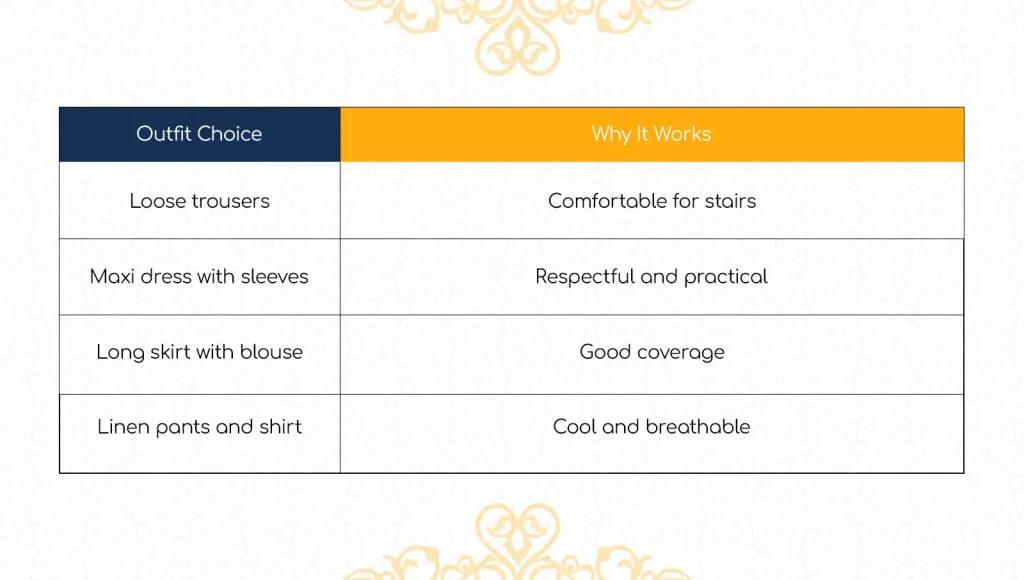
Breathable means air can move through the fabric easily, helping you stay cooler in warm weather.
White Temple Footwear Rules Explained
One thing that surprises many first-time visitors is how often shoes come off during temple visits in Thailand. In Buddhist culture, removing shoes before entering sacred buildings is a sign of respect. The White Temple follows this tradition. You will need to remove your shoes before entering certain temple areas. That is why footwear matters more than most travellers expect.
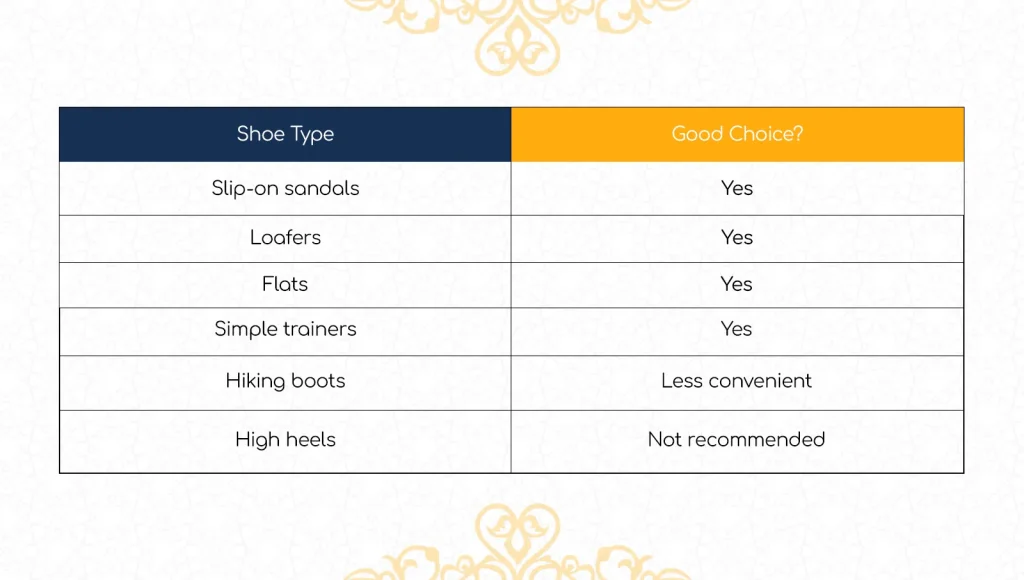
Slip-on shoes are usually the easiest option because they can be removed quickly. Visitors who wear complicated lace-up shoes often wish they had chosen something simpler.
Can You Wear Socks?
Yes. Many visitors keep their socks on after removing their shoes. This is completely normal. Some people prefer socks because the ground can become quite warm during sunny afternoons. Others simply feel more comfortable keeping their feet covered. Both options are perfectly fine.
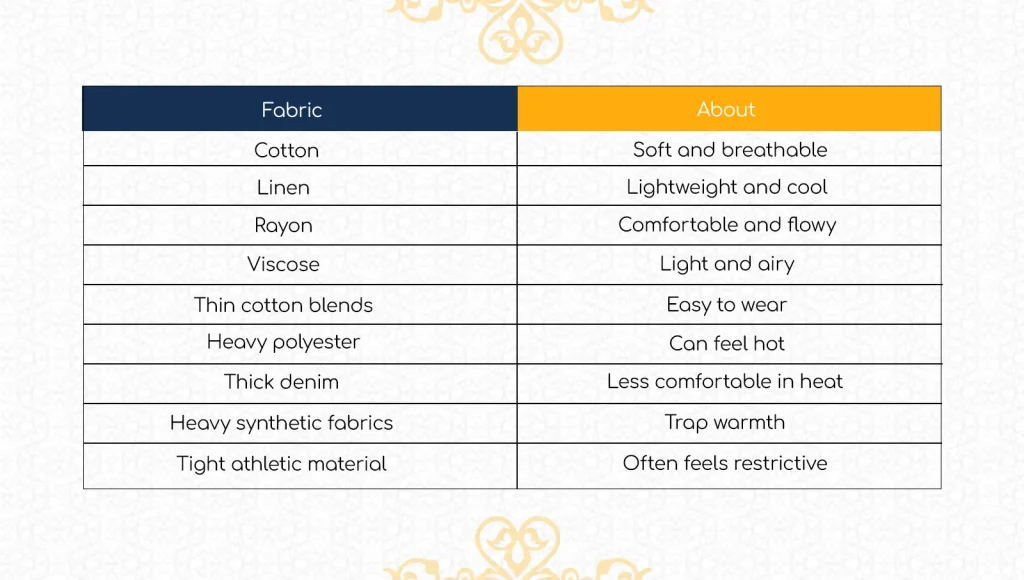
What Fabrics Work Best for Chiang Rai Temples?
Following the dress code does not mean wearing thick, uncomfortable clothing. In fact, choosing the right fabric can make a huge difference. Thailand is warm for most of the year, and certain materials feel much better than others.
Final Thoughts
The White Temple Chiang Rai dress code is actually very straightforward. Cover your shoulders. Cover your knees. Avoid revealing or offensive clothing. Remove your shoes when required. That is really the foundation of everything.
The White Temple may be one of Thailand’s most photographed attractions, but it remains a sacred space linked to faith and culture. Dressing respectfully helps visitors show appreciation for the place they are visiting and the people who value it deeply. The good news is that temple-friendly outfits can still be comfortable, stylish, and practical in Thailand’s warm climate. A little preparation goes a long way.
Choose breathable clothing, wear comfortable shoes, bring a light scarf, and you will be ready to enjoy one of Chiang Rai’s most incredible landmarks without any dress-code stress. Share your thoughts!
FAQs
Short shorts are not allowed. Knees should remain covered. Long trousers, maxi skirts, or longer dresses are safer choices.
No. Shoulders should be covered. Women should choose tops with sleeves or bring suitable coverage.
Yes. The dress code applies to both men and women.
Yes. Sandals are completely acceptable and are often one of the most practical footwear choices.
Yes. Shoes must be removed before entering certain temple buildings and sacred areas.
Visitors may be asked to cover up before entering. Sarongs or shawls are sometimes available nearby.
Generally, yes. The White Temple is known for enforcing its dress code more consistently than many other temples in Chiang Rai.
Lightweight trousers or a long skirt paired with a shirt or blouse that covers the shoulders is usually the safest option.
Absolutely. Visitors from all backgrounds are welcome as long as they follow the temple’s rules and show respect for the site.