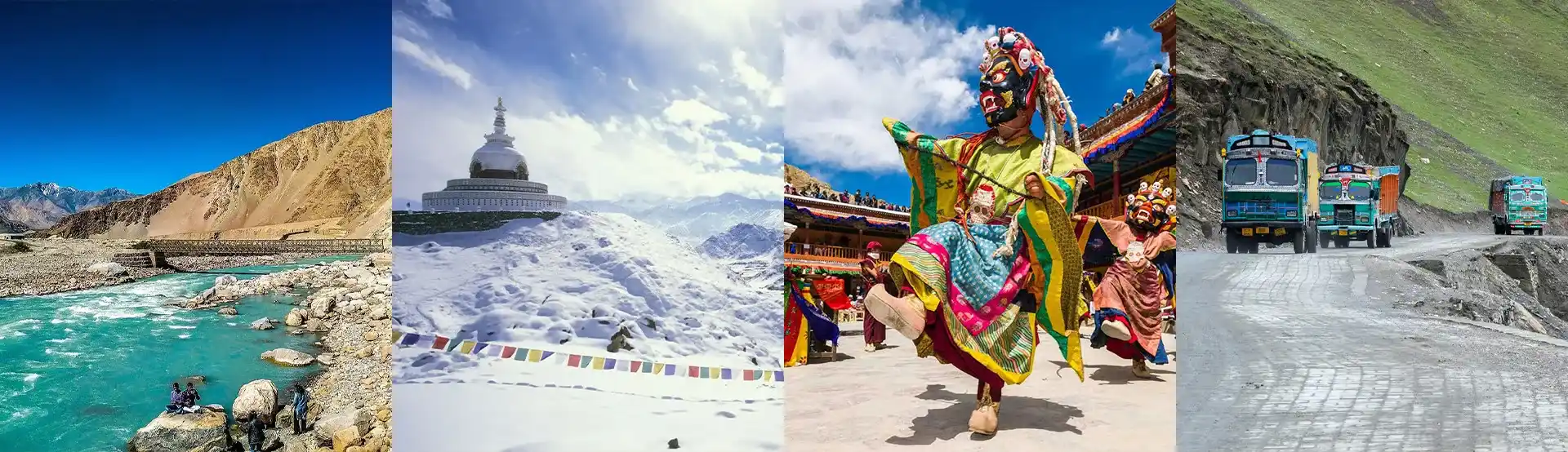
Leh Ladakh feels like another planet. The mountains look sharp and tall. The sky looks extra blue. The air feels thin and very clean. It is quiet in a way most cities never are. That is why people keep asking the same question: when should we go? The simple answer is this. The best time to visit Leh Ladakh is from June to September. During these months, the weather is pleasant, roads are open, and most places are easy to reach.
The days are sunny. Skies are clear. Travel feels smoother and safer.
But the full answer is more interesting. Each season changes Ladakh completely. Summer looks bright and busy. Autumn feels golden and calm. Winter turns it into a frozen dream. Spring feels fresh and peaceful. So let us break it down properly.
Understanding Leh Ladakh’s Climate
Leh Ladakh sits at a very high altitude. Altitude simply means height above sea level. Leh is about 11,500 feet above sea level. That is very high. Because of this, the air has less oxygen, so breathing feels harder at first. Ladakh has a cold desert climate. Summers are sunny but not too hot. Nights remain cold even in peak season.
Rainfall is very low here. That is why you see brown mountains and not many trees. Snow, not rain, shapes the land. Winters are long. Roads close due to heavy snowfall. Summers are short but lively.
Here is a quick overview:
| Season | Months | Day Temperature | Night Temperature | Travel Condition |
| Summer | June-September | 15°C to 25°C | 5°C to 10°C | Roads open |
| Autumn | October-November | 5°C to 20°C | 0°C to 5°C | Cold, fewer tourists |
| Winter | December-February | -5°C to 5°C | -15°C to -25°C | Extreme cold, snow |
| Spring | March-April | 5°C to 15°C | -5°C to 0°C | Snow melting, quiet |
Summer in Leh Ladakh (June to September)
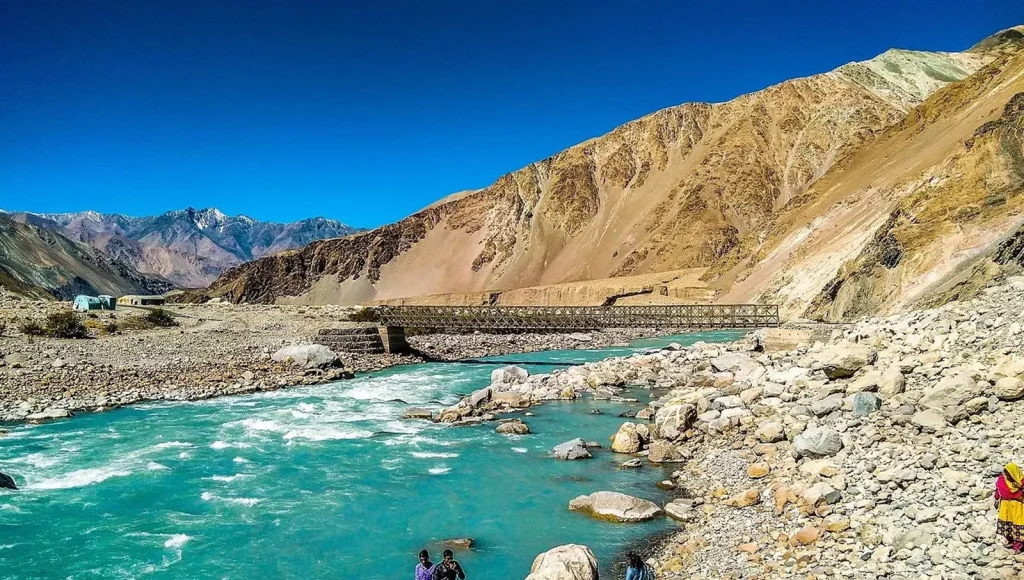
This is the peak season. Peak season means the time when most tourists visit. Everything feels alive. Hotels are open. Cafes are busy. Roads are clear. During summer, daytime temperatures range from 15°C to 25°C. That feels comfortable. The sun feels strong because of the high altitude. Even if the air feels cool, the sun can burn your skin quickly. Sunscreen becomes important.
Why Summer Is the Best Time
All major roads are open during this period. The Manali-Leh Highway usually opens by mid-June. The Srinagar-Leh Highway opens earlier, often in early June. These roads remain accessible until October or early November, depending on snowfall. Road connectivity means how easily you can reach a place by road. In Ladakh, road access changes everything. Once roads open, bikers, trekkers, and families all start arriving.
Summer is perfect for:
- Sightseeing in Leh town.
- Visiting Nubra Valley.
- Seeing Pangong Tso Lake.
- Riding bikes on high mountain passes.
- Trekking in Markha Valley.
September feels special. Crowds reduce. Skies turn clearer. Landscapes look sharper. The air feels crisp. Photography lovers love this month.
Autumn in Leh Ladakh (October to November)
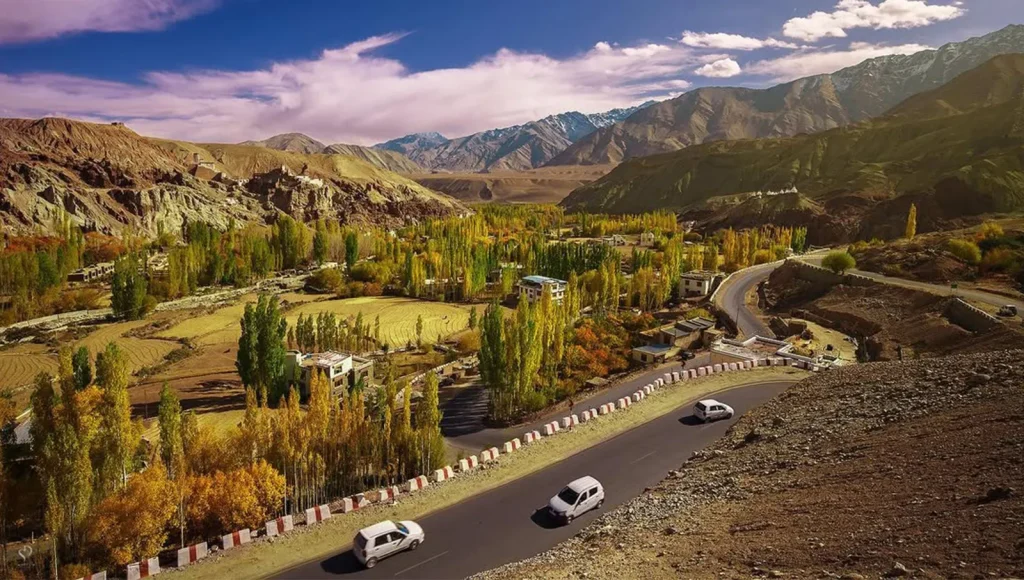
Autumn is short here. Trees turn yellow and golden. The air becomes colder every day. Tourist numbers drop quickly. Streets feel quieter. Day temperatures range from 5°C to 20°C. Nights fall close to freezing. Many hotels begin closing for winter. Road travel becomes risky toward late November because snowfall can block passes.
Still, autumn has charm. Fewer tourists mean peaceful travel. You can sit near Pangong Tso and hear almost nothing but wind. That silence feels powerful.
This season is best for:
- Quiet photography trips
- Budget travel deals
- Peaceful monastery visits
But travellers must be prepared for cold nights and limited services.
Winter in Leh Ladakh (December to February)
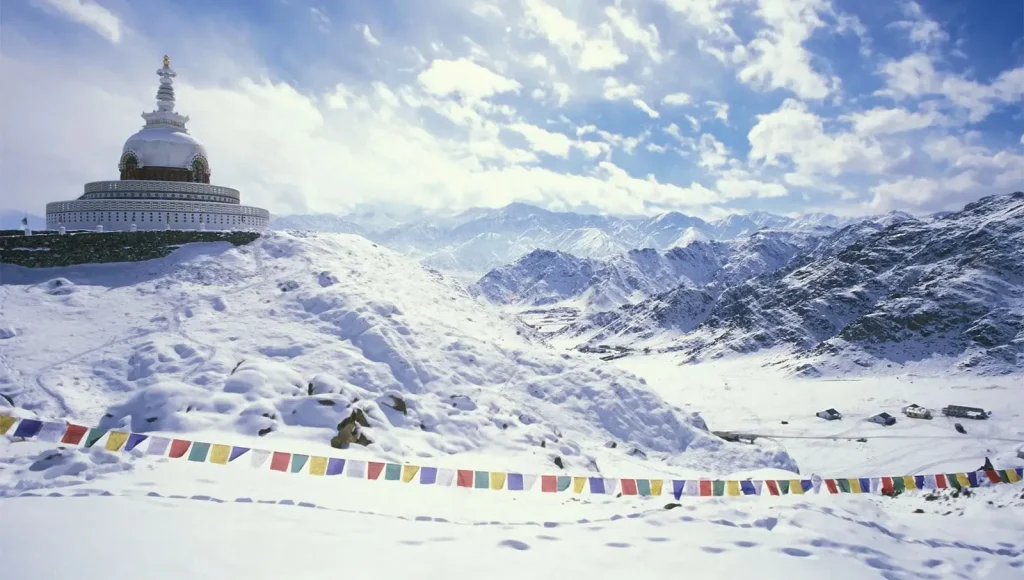
Winter is extreme. Temperatures can drop to -20°C or even lower at night. Daytime stays around -5°C to 5°C. Water pipes freeze. Lakes freeze. Even the Zanskar River freezes.
This frozen river becomes famous for the Chadar Trek. Chadar means blanket. It refers to the sheet of ice covering the river. The Chadar Trek is a winter trek done on this frozen river. It is beautiful but very challenging. Winter is also the best time for spotting snow leopards. They move to lower areas in winter, so the chances of seeing them increase.
However, winter travel is not easy. Flights may get delayed. Roads from Manali remain closed. Only the Srinagar route may stay open depending on the weather. Most travellers fly into Leh during winter.
Winter suits:
- Adventure lovers.
- Experienced trekkers.
- People who love snow.
Spring in Leh Ladakh (March to April)
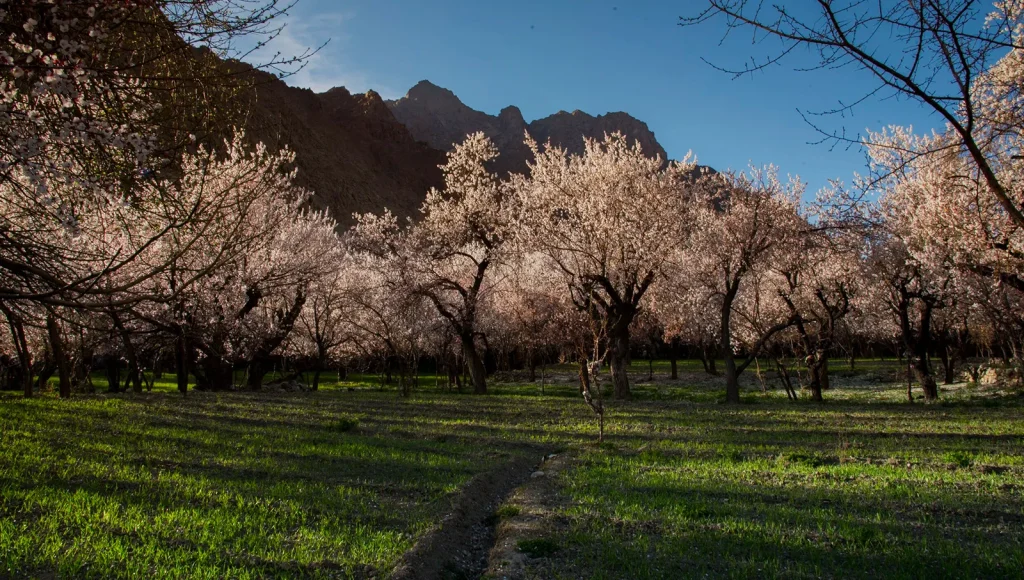
Spring feels like a quiet beginning. Snow starts melting slowly. Roads begin reopening step by step. The weather improves, but the nights still feel cold. Daytime temperatures range from 5°C to 15°C. Night temperatures stay below freezing. Tourist numbers remain low. That makes it a peaceful time.
Spring is good for early travellers who want fewer crowds. But some high-altitude roads may still be blocked. Planning becomes important.
Major Festivals to Experience in Ladakh
Festivals show the heart of Ladakh. Monks wear colourful clothes. Masks look dramatic. Music fills the air.
Hemis Festival (June)
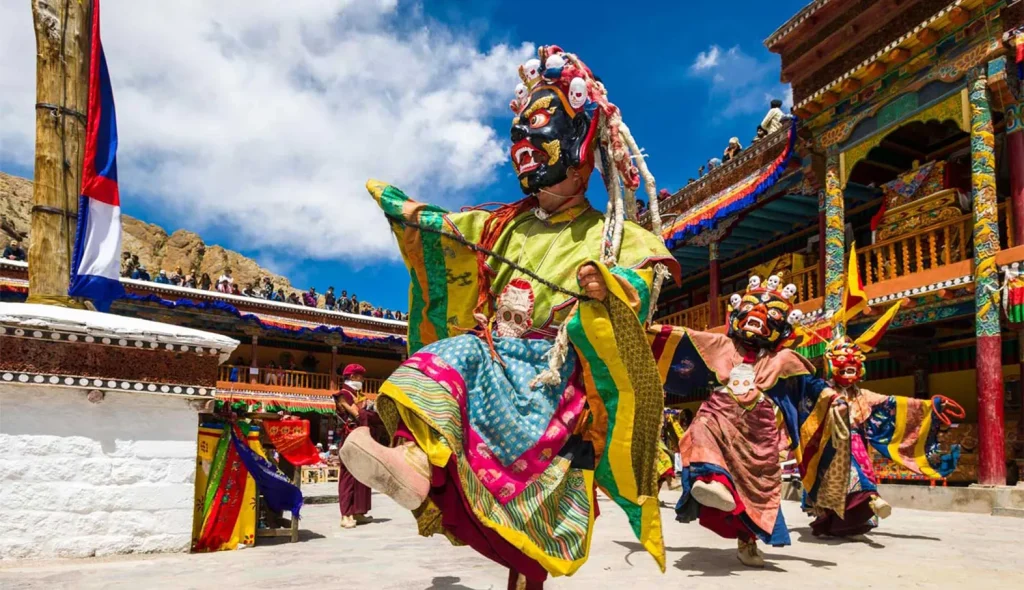
This is the most famous festival. It takes place at Hemis Monastery. Monastery means a Buddhist religious building where monks live and pray. During the Hemis Festival, monks perform Cham dances, a form of mask dance. These dances tell stories of good and evil. Crowds gather from all over India and abroad. It feels lively and joyful.
Tak-Thok Festival (July)
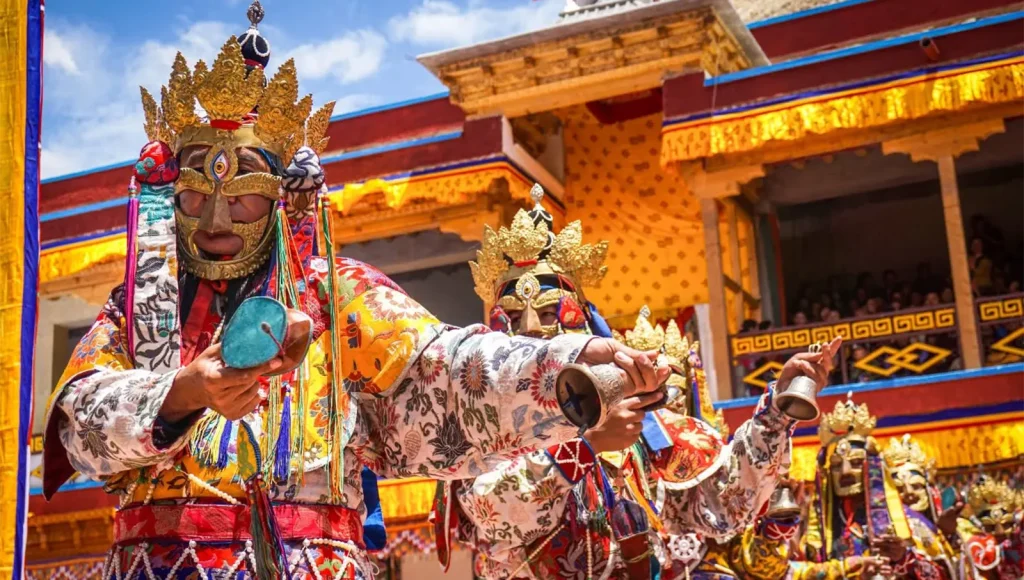
Tak-Thok Festival is held at Tak-Thok Monastery in July.. This festival is known for sacred mask dances performed by monks in colourful robes. Each mask represents a deity or spiritual figure from Buddhist teachings. The dances are part of religious rituals and are believed to bring protection and blessings. Compared to bigger festivals, Tak-Thok feels quieter and more traditional.
Sindhu Darshan Festival
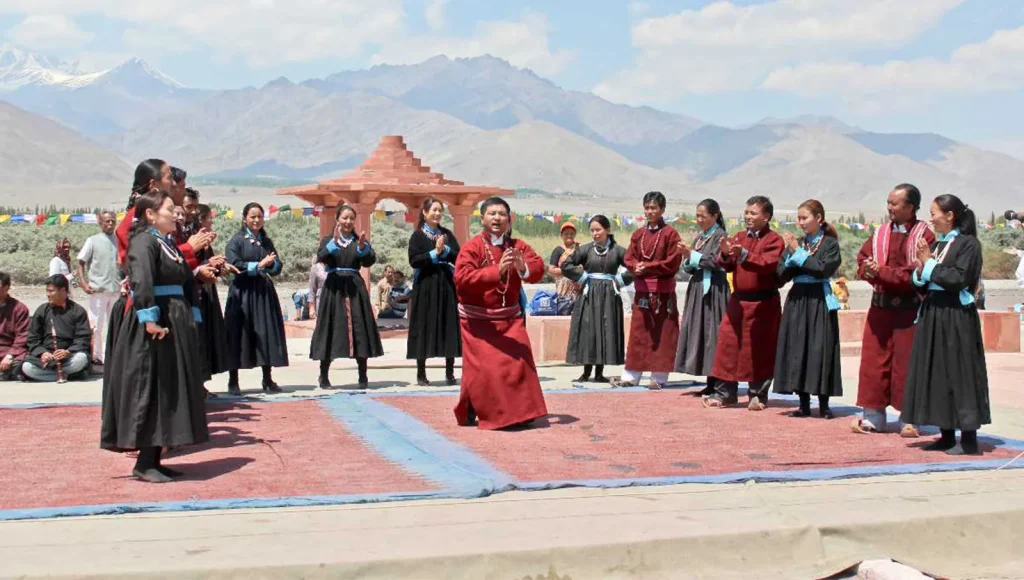
Sindhu Darshan Festival takes place near the Indus River, usually in June. The Indus River is one of Asia’s longest rivers and holds historical importance. The festival celebrates unity, culture, and the connection between Ladakh and the rest of India. Cultural groups perform folk dances, music, and traditional programs near the riverbanks. Religious leaders also offer prayers during the event.
Ladakh Harvest Festival
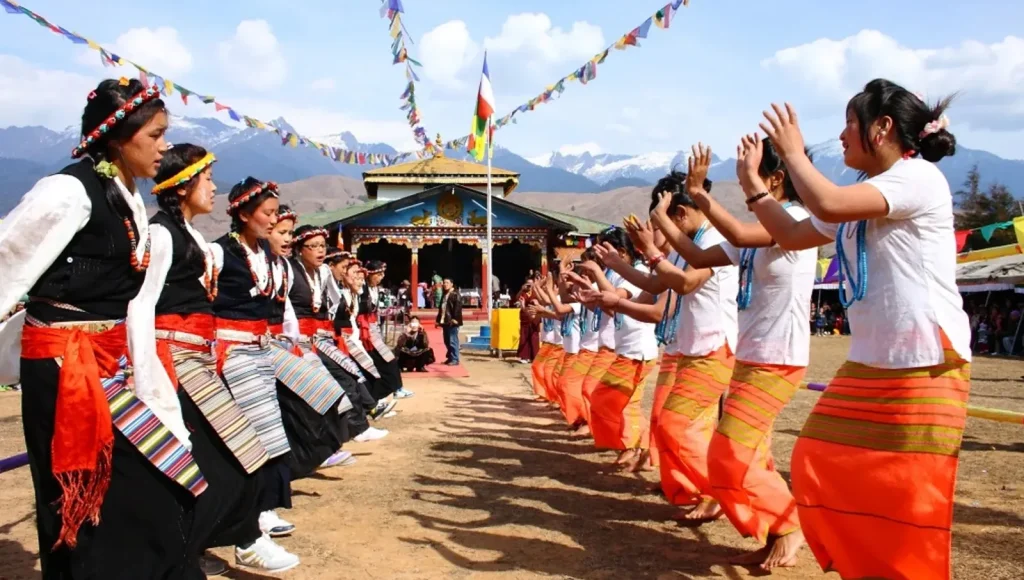
The Ladakh Harvest Festival is celebrated after the farming season ends. This festival showcases local life, traditions, and agricultural success. People wear traditional Ladakhi clothing and perform folk dances in public spaces. Local markets display handicrafts and regional food. The festival offers a clear view of everyday Ladakhi culture beyond monasteries and mountain scenery.
Losar Festival (Winter)
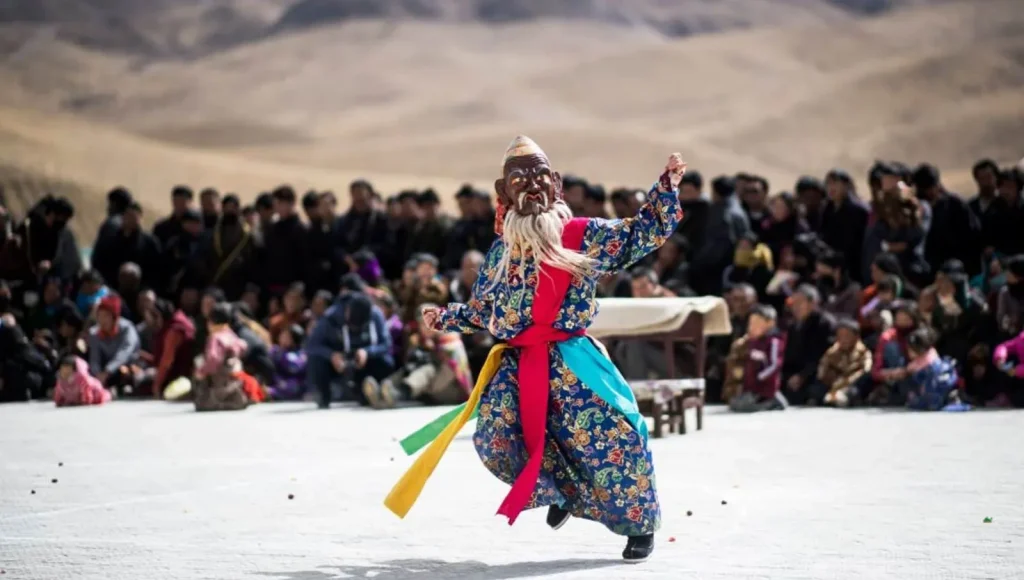
Losar is the Ladakhi New Year, celebrated during winter, usually in December or January. It marks the beginning of a new year in the Tibetan Buddhist calendar. Homes are cleaned and decorated as part of preparation. Families gather for special meals, and monks perform prayers for peace and prosperity. Cultural dances and traditional music are also part of the celebration. Losar reflects strong family bonds and deep spiritual roots in Ladakhi society.
Road Connectivity and Travel Access
Reaching Ladakh depends on the weather. That is why timing matters so much.
Manali-Leh Highway
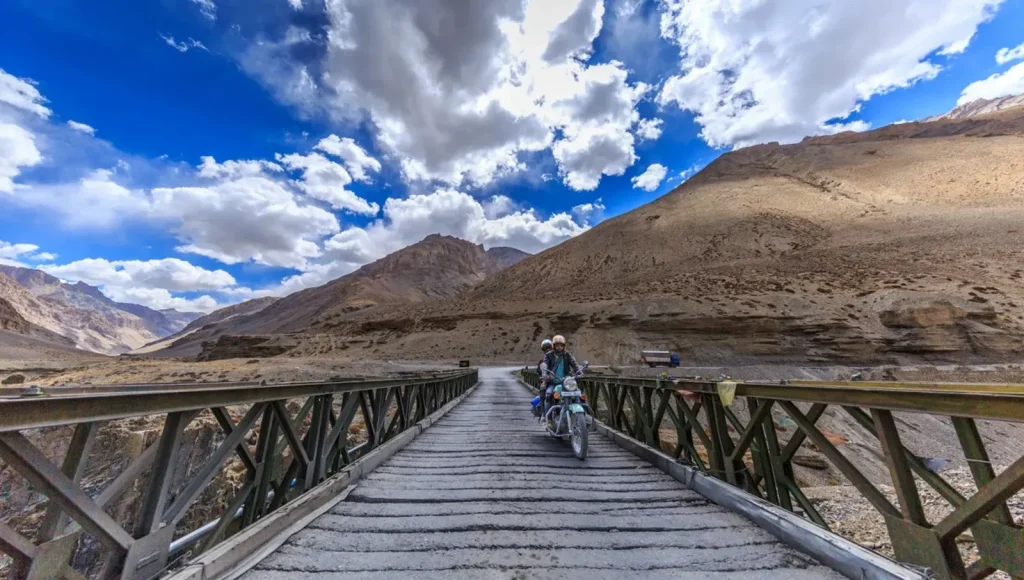
Usually opens mid-June. This route passes through high mountain passes like Rohtang and Baralacha La. It closes by October.
Srinagar-Leh Highway
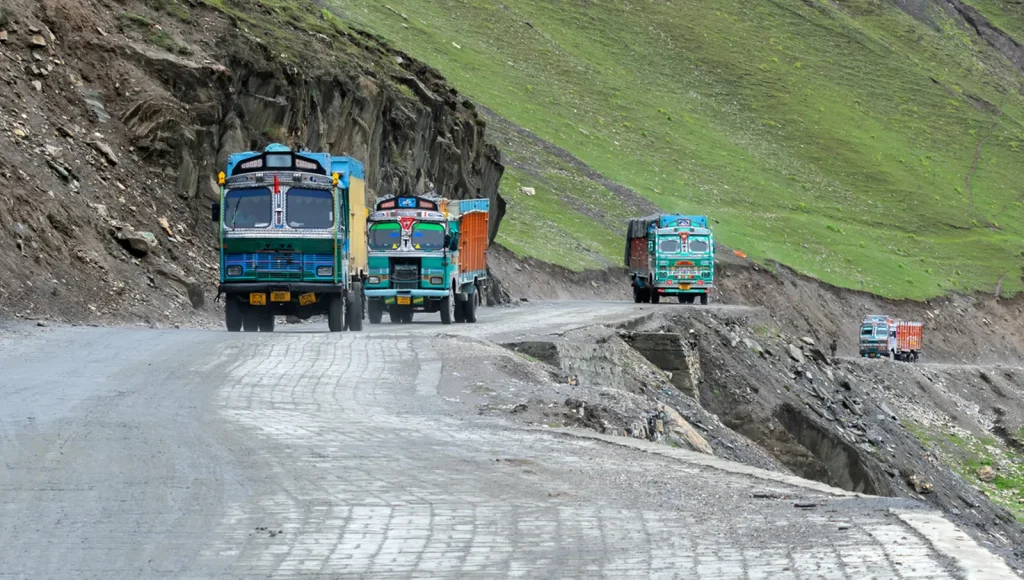
Opens earlier, often in early June. It may remain open until November if snowfall stays low. During winter, roads from Manali stay closed due to heavy snow. Travellers then rely mostly on flights.
Altitude Acclimatization
Acclimatisation means giving your body time to adjust to high altitude. Because Leh is high above sea level, oxygen levels are lower. Some people feel dizzy, get headaches and feel tired or nauseous. This condition is called AMS. AMS stands for Acute Mountain Sickness. It occurs when the body struggles to adjust to lower oxygen levels.
To stay safe:
- Rest for the first 48 hours in Leh.
- Drink lots of water.
- Avoid heavy exercise on day one.
- Eat light meals.
Most people adjust within two days. Taking it slow makes the trip much better.
Packing Tips for Leh Ladakh
Even in summer, nights are cold. Layering clothes becomes smart. Layering means wearing multiple thin layers rather than a single heavy jacket. This way, you can easily add or remove clothes.
Pack:
- Heavy woolen jacket
- Thermal innerwear
- Sunglasses
- Sunscreen
- Comfortable walking shoes
- Gloves and a cap
Winter travelers need extreme cold gear, including insulated boots and thick down jackets.
Permits Required
Certain areas in Ladakh need special permission.
Indian tourists need an Inner Line Permit. This permit allows entry into protected border areas like the Nubra Valley and Pangong Tso.
Foreign tourists need a Protected Area Permit. It serves a similar purpose but applies to non-Indians.
Permits can be arranged online or through travel agents in Leh.
Travel Tips for Visiting Leh Ladakh
Here’s what you need to know.
Responsible Travel in Ladakh
Ladakh is fragile. The environment here is delicate because rainfall is low and plants grow slowly.
Travelers should:
- Avoid plastic waste
- Respect monasteries
- Support local businesses
- Save water
Water scarcity is real in Ladakh. Hotels often request limited water use. Simple habits help protect this beautiful region.
Keep Hydration a Top Priority
Ladakh is a cold desert. The air feels dry, and dehydration happens faster than expected. Drink water regularly, even if you do not feel thirsty. Carry a reusable water bottle. Warm soups and herbal teas also help maintain hydration. Avoid excessive caffeine for the first few days. Coffee can sometimes increase dehydration. Light meals, warm fluids, and simple foods help the body adjust more easily.
Respect Local Culture and Monasteries
Ladakh has strong Buddhist roots. Monasteries are not just tourist spots. They are active religious centres where monks live and pray. Dress modestly when visiting monasteries. Speak softly inside prayer halls. Always ask before photographing monks or rituals. Festivals like Hemis and Tak-Thok attract many visitors. During these times, behave respectfully and follow local instructions.
Prepare for a Limited Network and Internet
Mobile networks in Ladakh are limited. Postpaid connections work better than prepaid ones. Some areas have no signal at all. Internet speed may feel slower than in cities. Download offline maps before arrival. Inform family about possible network gaps.
However, accepting limited connectivity can actually improve the trip. The mountains feel more peaceful without constant notifications.
Plan Your Itinerary with Buffer Days
The weather changes quickly in mountain regions. A sudden snowfall or landslide can block roads for hours or even days. Adding buffer days means keeping one or two extra days free in the itinerary. Buffer days provide flexibility. If a road closes temporarily, plans do not collapse. This approach reduces stress and keeps the journey enjoyable. Short, rushed itineraries often lead to altitude sickness and fatigue. Slow travel works best in Ladakh.
Choose Accommodation Wisely
Hotels, guesthouses, and homestays are available in Leh and popular areas. During peak season, booking in advance is smart. September may offer better deals with fewer crowds.
Plan a Smart Itinerary Instead of Rushing Everywhere
Ladakh is not a place where we jump from one spot to another quickly. Distances look short on the map, but roads are slow and winding. A 150-kilometre drive can easily take five to six hours. That is normal here. The best approach is to plan fewer places and enjoy them properly. For example, stay two nights in Nubra Valley instead of rushing back the same day. Give Pangong Tso enough time to see the lake change colours.
Carry Cash Because ATMs Are Limited
Leh town has ATMs, but smaller villages do not. Sometimes machines run out of cash, especially during peak tourist season. Card machines may not work in remote guesthouses. It is smart to withdraw enough cash in Leh before moving to the Nubra Valley or Pangong Tso. Keep smaller notes for local shops and homestays. Many small cafes and fuel stations prefer cash payments.
Digital payments may work in the Leh market, but do not depend fully on internet connectivity. Cash gives peace of mind in remote areas.
Fuel Up Whenever You See a Petrol Pump
Petrol pumps are not available everywhere. Leh has fuel stations, and so does Diskit in Nubra Valley. But long stretches between these towns may have no fuel options. Before leaving Leh for remote regions, fill the tank completely. If travelling by bike, carry extra fuel in approved fuel cans. This small precaution prevents unnecessary trouble.
Protect Yourself from Sunburn and Windburn
The sun in Ladakh feels stronger than expected. High altitude means thinner air. Thinner air allows more ultraviolet rays to reach the skin. Ultraviolet rays are invisible rays from the sun that can damage the skin. Use a high-SPF sunscreen every day. Reapply after a few hours, especially near lakes or snow-covered areas where reflections increase exposure.
Wind can also quickly dry out skin. Lip balm and moisturiser help prevent cracks and dryness. Small care steps make a big difference.
Final Thoughts
If comfort matters most, choose June to September. Roads stay open. The weather feels friendly. Festivals bring colour. Travel feels easy. If peace matters more than warmth, September stands out. Clear skies. Fewer crowds. Beautiful views. If adventure feels exciting, winter calls loudly. Frozen rivers. Snow leopards. Silent mountains.
Leh Ladakh changes every season, making every visit unique. Timing shapes your entire experience. Choose wisely, plan carefully, and let the mountains do the rest. Share your experience and inspire others to explore.
FAQs
Is Ladakh suitable for a first-time mountain traveller?
Yes, it can be suitable if the trip is planned properly. The main challenge is high altitude, which can cause tiredness or headaches at first. Keeping the itinerary slow makes the experience comfortable.
Do we need a 4×4 vehicle to explore Ladakh?
A 4×4 vehicle means a car with all four wheels powered, which helps on rough roads. It is helpful but not always mandatory in summer.
Is it possible to visit Pangong Tso and return the same day?
Yes, technically, it is possible from Leh. However, the drive takes about five to six hours one way. Doing a same-day return can feel very tiring at high altitude.
Are there medical facilities available in Ladakh?
Leh has a government hospital and a few private clinics. Basic treatment is available for common issues. Remote areas like Pangong or Tso Moriri may not have proper medical centres. Carrying a small personal medical kit is recommended.
Is Ladakh expensive compared to other hill stations?
Yes, Ladakh can feel slightly more expensive. Transportation costs are higher due to the remote location and the need for fuel transport. Food and hotel prices rise during peak season. However, homestays offer budget-friendly options. Planning early and travelling in September can help reduce overall costs.
Can we find vegetarian food easily in Ladakh?
Yes, vegetarian food is widely available. Most restaurants serve dal, rice, vegetables, noodles, and local bread. Tibetan dishes like thukpa and momos also have vegetarian options. In remote villages, menus may be simple but filling. Food quality is generally fresh and home-style.
Is Ladakh safe for solo female travellers?
Ladakh is considered one of the safer regions for solo travellers. The local community is respectful and helpful. Basic precautions, such as choosing verified accommodations and avoiding late-night isolation, still apply. Many solo women travel here every year without issues. Staying alert but relaxed is the right balance.
What is the best month for photography in Ladakh?
September is often the favourite month for photographers. Skies look deep blue, and landscapes appear sharp and clear. Crowds reduce after the peak summer. Autumn colours add golden tones to the scenery. Early mornings this month offer stunning light.