Bruges is one of the easiest cities in Europe to enjoy on foot. Its canals, medieval buildings, and small size make it ideal for a slow, walkable city break. Many visitors treat Bruges as a day trip. That is a mistake. Two to three days give you time to see the historic centre, enjoy the food scene, and explore quieter corners without rushing. This guide lists the top things to do in Bruges, with prices, locations, and simple planning tips.
What Bruges Is Like
Bruges is compact and calm. Most major sights sit within a short walking distance. You can cross the historic centre in about 25 minutes. Cafes line the canals. Small streets hide lace shops, bakeries, and quiet courtyards. It feels busy in the main squares and calm two streets away.
Two days cover the main sights. Three days give you time to enjoy the city without rushing. If you only have one day, you can still see the highlights. But you will miss the quieter areas and evening atmosphere.
14 Best Things to Do in Bruges
Here are our top 14 favourite things to do in Bruges.
1. Walk Through Markt Square
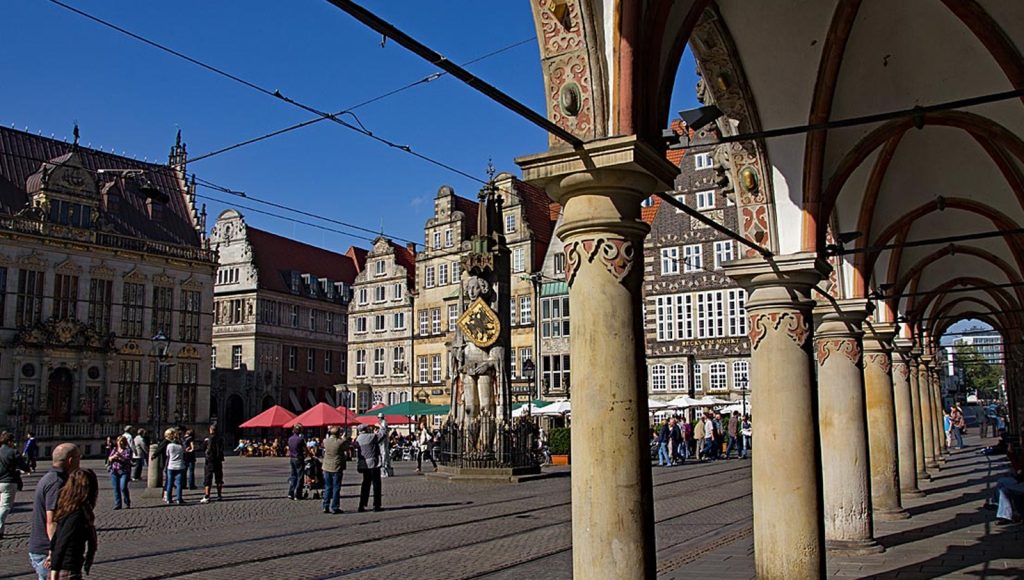
Markt Square is the main square in Bruges and the natural starting point for most visits.
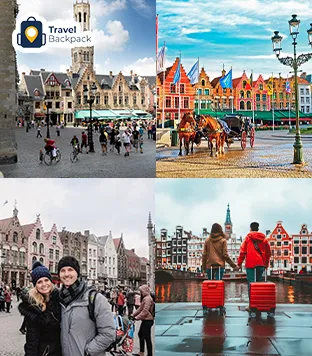
It has served as a trading hub since 958 and still feels like the centre of daily life. Tall stepped-gable buildings line the square. Cafés and chocolate shops sit at street level. Horse-drawn carriages wait near the Belfry Tower, and street musicians often perform during the day.
This is one of the best places to pause after arriving in the city. Sit on a bench, watch the movement around you, and take in the scale of the historic buildings.
2. Climb the Belfry Tower
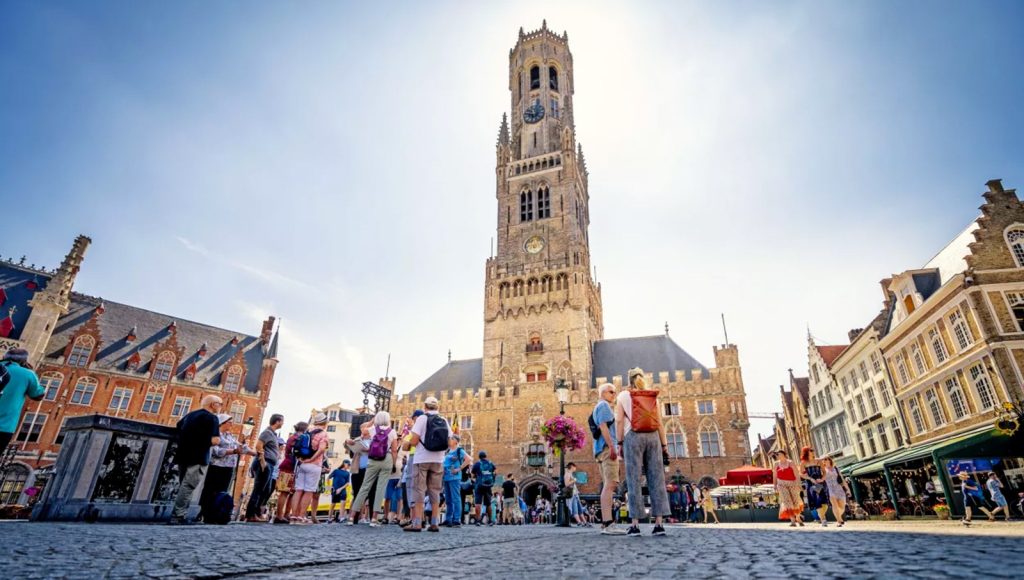
The Belfry Tower is the most visible landmark in Bruges. It rises above the city at 83 meters and has 366 steps to the top. The climb passes narrow stairways and historic bell chambers. At the top, you get expansive views over red tiled roofs, canals, and church spires. On clear days, the view stretches far beyond the historic centre.
Price
- €15 adults
- €13 under 18
- Free under 7
Tip: The staircase is steep and narrow. Go early to avoid queues.
3. See the View at Rozenhoedkaai
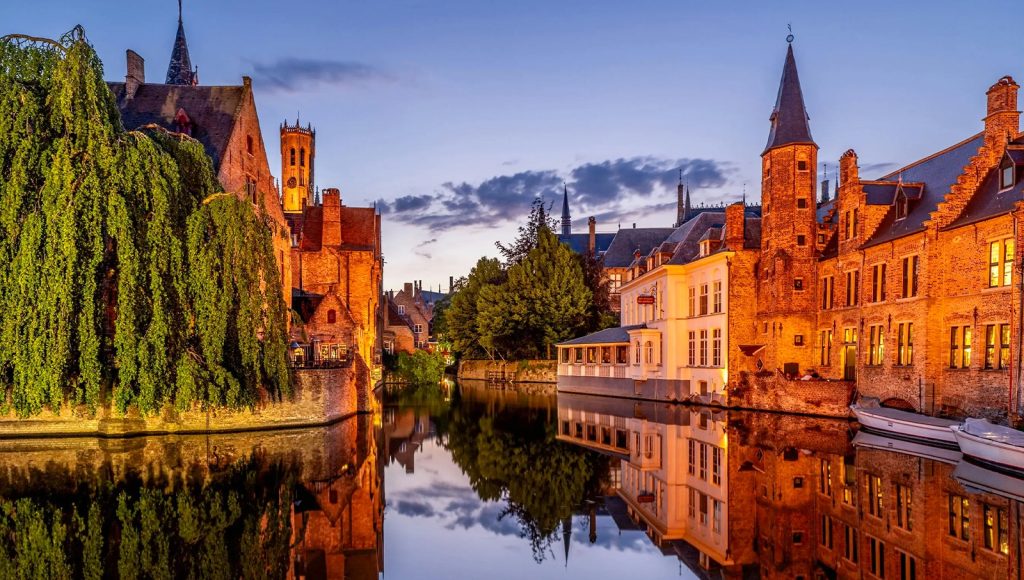
Rozenhoedkaai is the most photographed canal corner in Bruges. From this spot, you see canal houses reflected in the water, with the Belfry rising behind them. The view feels calm in the early morning and dramatic after sunset when the lights come on. Many walking routes pass through this point, but it is worth stopping here for a few minutes.
Nearby food: TapasBar Est
4. Visit Burg Square and City Hall
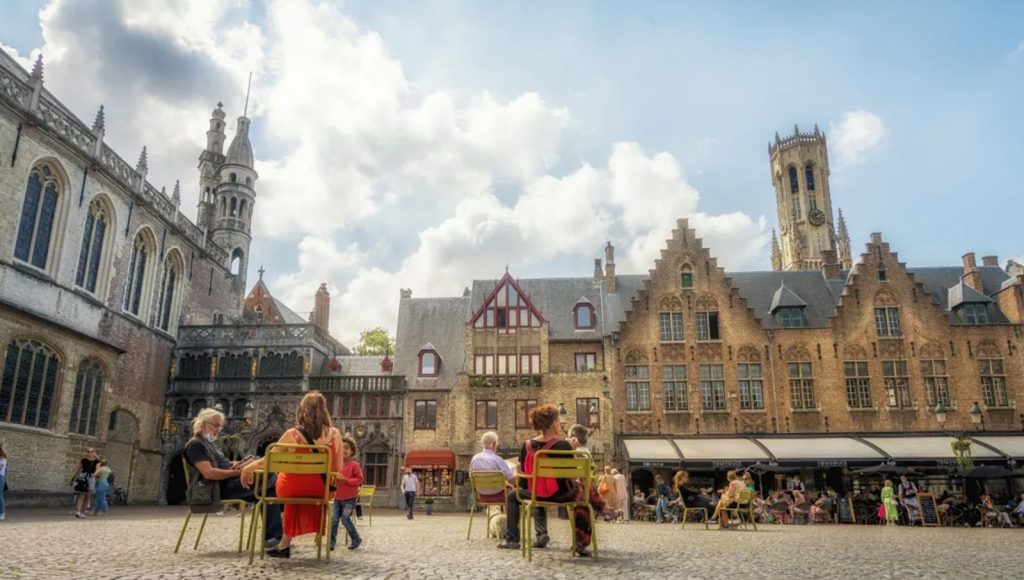
Burg Square sits five minutes from Markt Square and feels more formal and quiet. Here you find Bruges City Hall, the Old Courthouse, and other historic government buildings. The City Hall interior features carved wood, painted ceilings, and detailed murals depicting the city’s history. It is one of the best indoor stops if the weather turns bad.
Price: €8
Free with Musea Brugge Card
5. Take a Canal Boat Tour
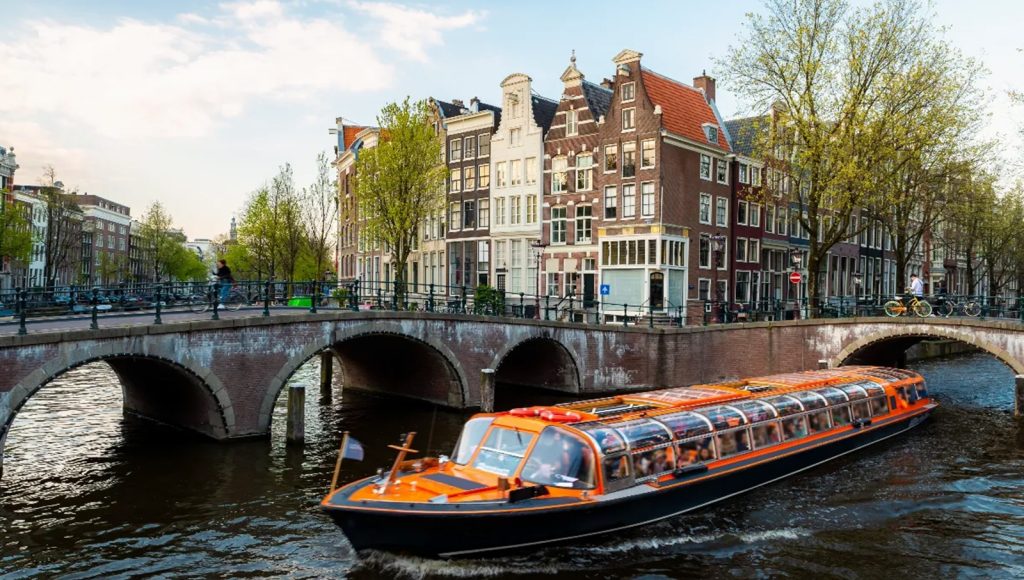
Canal tours show parts of Bruges that you cannot see from the streets. Boats pass under stone bridges, behind houses, and along narrow waterways that feel hidden and calm.
Duration: 30 minutes
Price: €15
Season: March to mid-November
Time: 10:00 to 18:00
Boats leave from five points inside the historic centre and return to the same point.
6. Relax in Minnewater Park
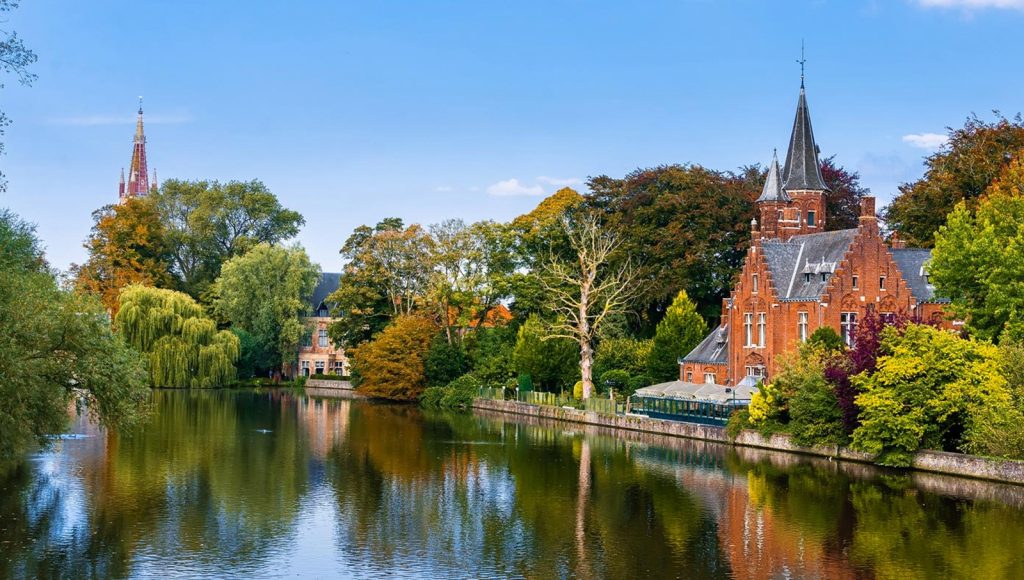
Minnewater Park sits near the southern edge of the old town. It has quiet walking paths, open grass, and a small lake. A café by the water serves drinks and light meals. This park is a good place for a slow break after lunch or before sunset.
7. Eat Belgian Chocolates

Belgian chocolate is one of the main food highlights in Bruges. Shops line most streets in the historic centre. Many offer small sample tastings inside. Good stops include The Old Chocolate House and Choco-Story Chocolate Museum.
8. Try a Liege Waffle

Liege waffles are thick, warm, and lightly caramelised. They are sold fresh across the city and make an easy street snack while walking. Good stops include Detavernier Bakery and Venice Corn
9. Drink Belgian Beer

Belgium has hundreds of beer styles, and Bruges has many traditional pubs.
Popular stop: Brasserie Cambrinus
This pub offers more than 400 different beers and classic Belgian dishes.
10. Rent a Bike
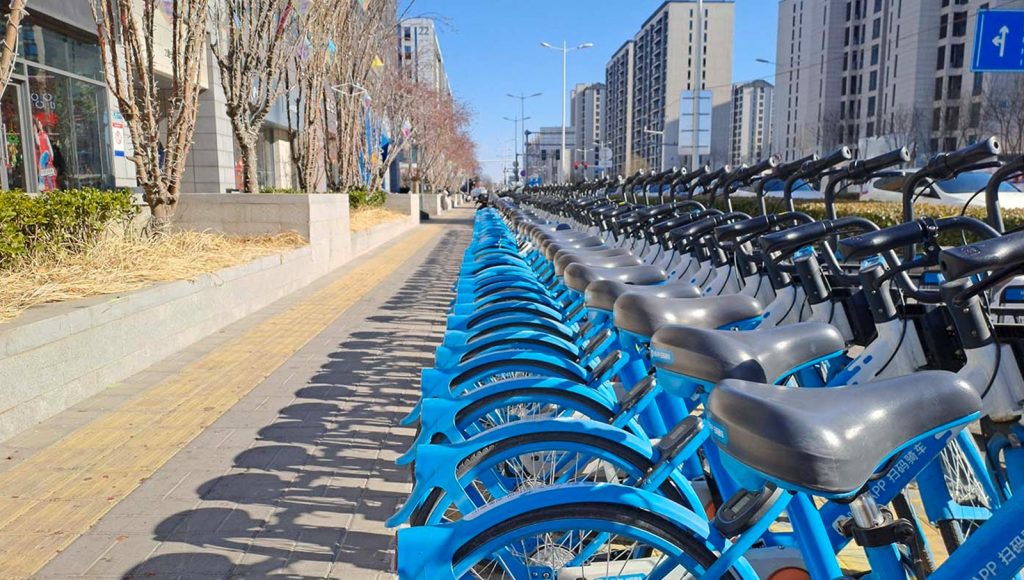
Bruges is flat and bike-friendly. Bike rental shops sit near the train station and inside the old town. You can ride through parks, along canals, and into quieter neighbourhoods. Guided bike tours are also available.
11. Visit the Groeningemuseum
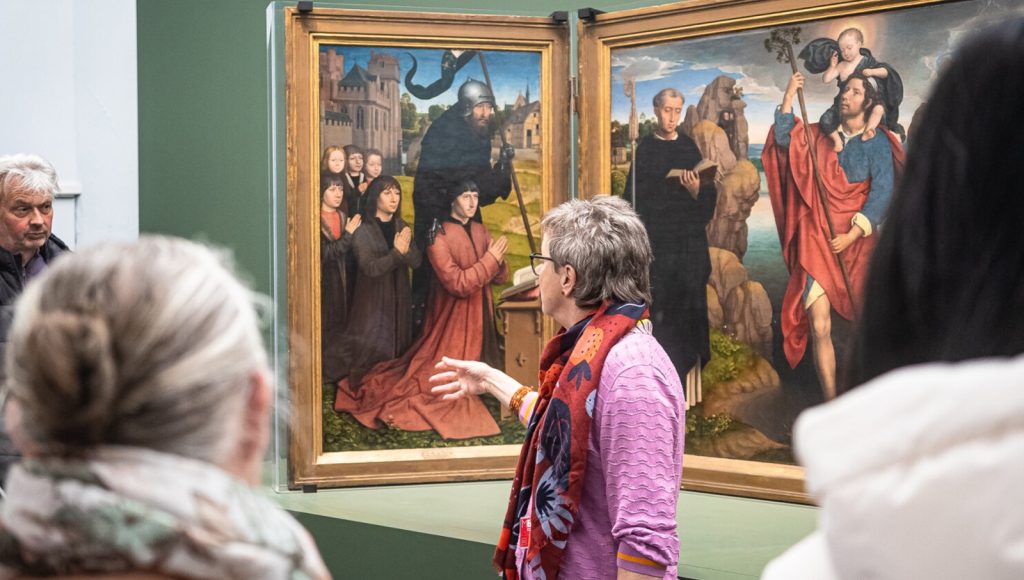
The Groeningemuseum displays Flemish and Renaissance paintings from Bruges and the surrounding regions. It is a calm indoor stop and a good option on rainy days.
Price: €15
Closed: Wednesday
Address: Dijver 12
12. Walk Without a Plan
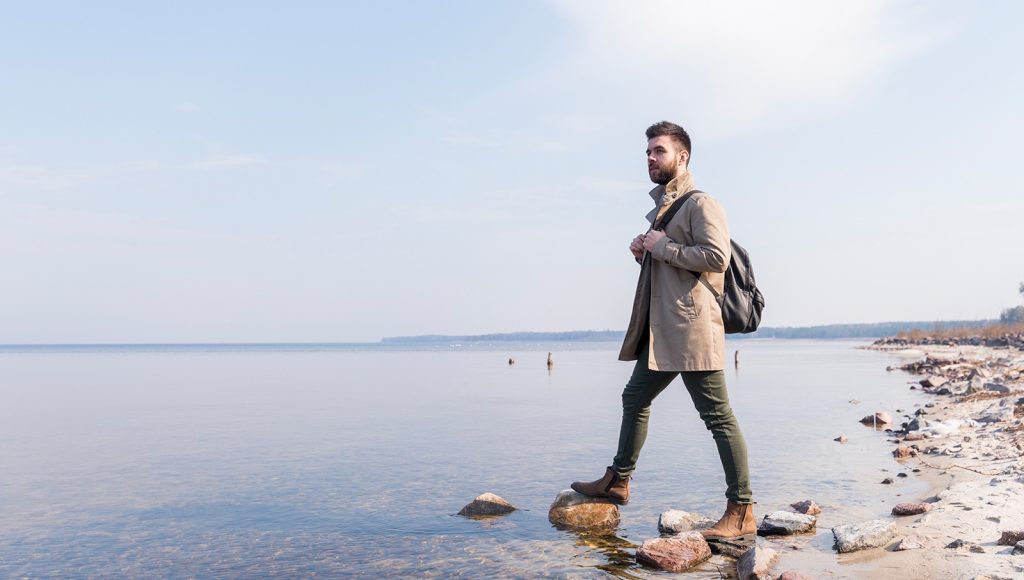
Some of the nicest streets in Bruges sit away from the main squares. Walk two or three blocks from the busy areas, and you will find flower boxes, quiet canals, and local cafés. This is one of the easiest ways to see everyday Bruges.
13. Watch Lace Makers at Work
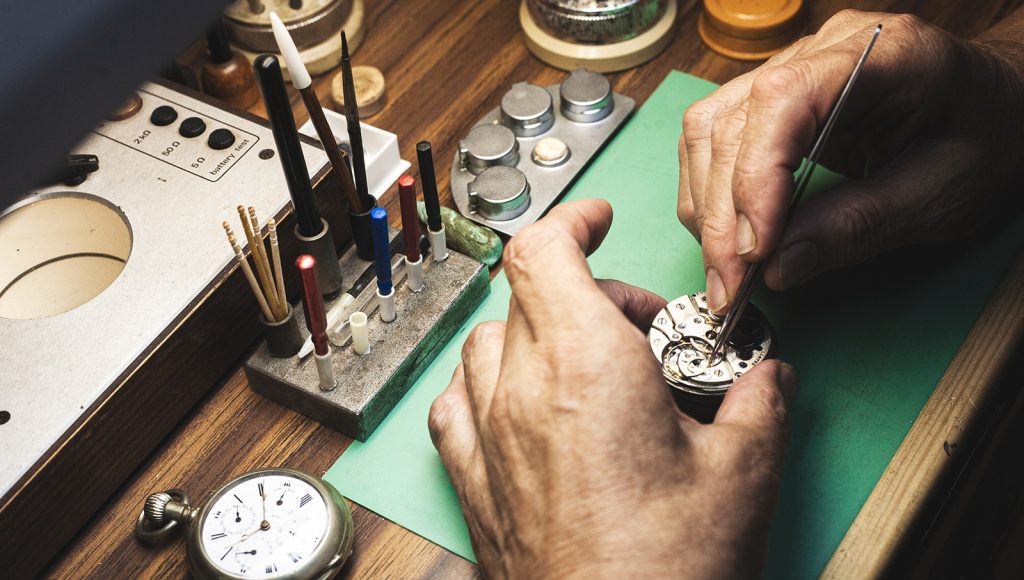
Lace making has been part of Bruges since the 15th century. On quieter streets, you may see women working on lace in their doorways. Lace shops across the city sell handmade pieces and traditional patterns.
14. Join a Free Walking Tour
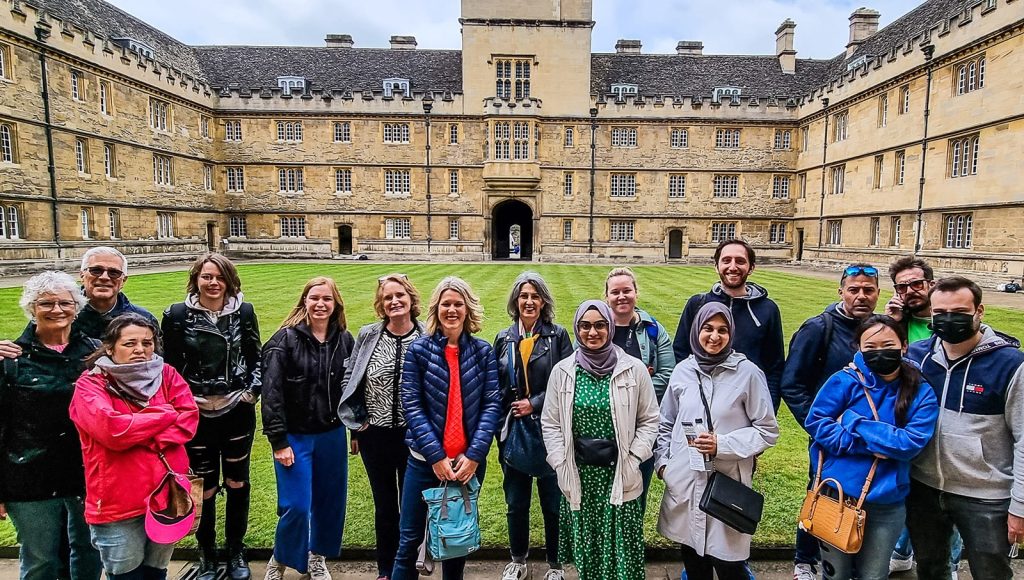
Free walking tours run daily and cover the main landmarks. They help you understand the city’s layout and the stories behind the buildings. Tours usually last 2 hours and start near Markt Square.
How to Get to Bruges
Bruges does not have its own airport. Most visitors arrive through Brussels.
By Train
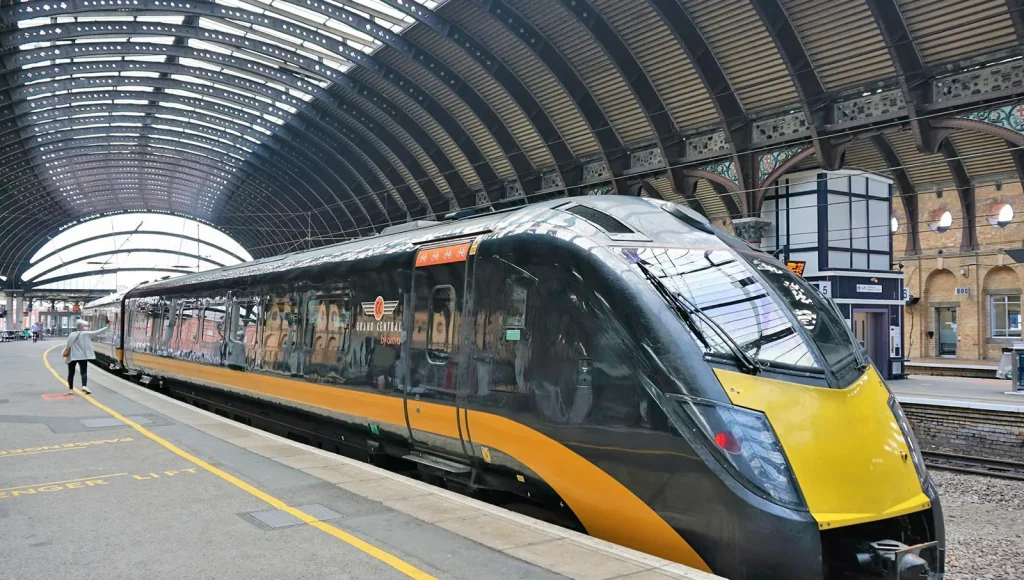
Brussels to Bruges takes about one hour. Trains run several times per hour from Brussels Central, Brussels Midi, and Brussels Airport. Get off at Brugge Station, and the historic centre is a 20 to 25-minute walk from the station.
By Car
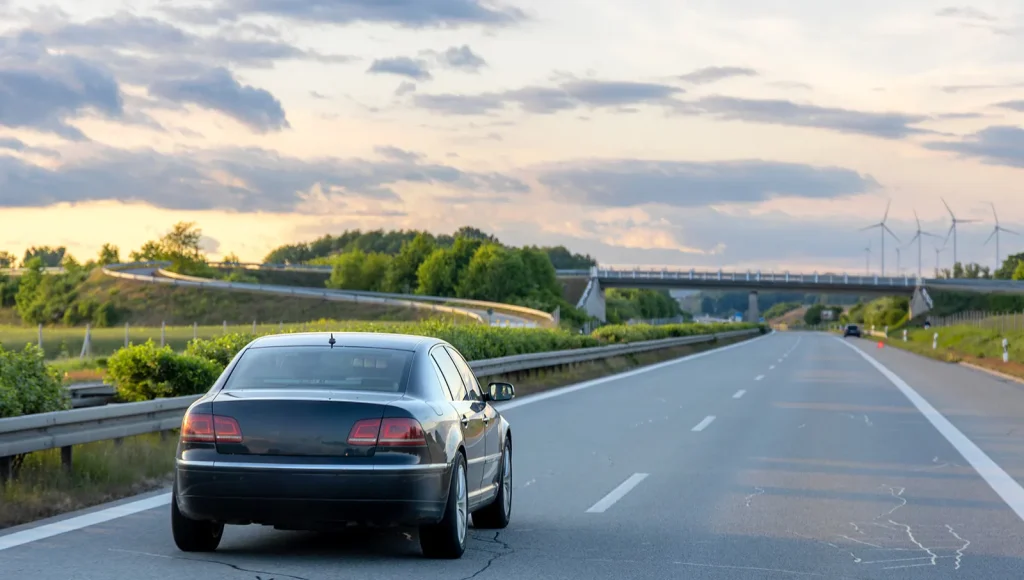
Driving from Brussels takes about 1 hour and 15 minutes. Parking in the old town is limited. Some streets are car-free or have time restrictions. Public car parks sit around the edge of the historic centre. From there, you walk into town.
By Bus
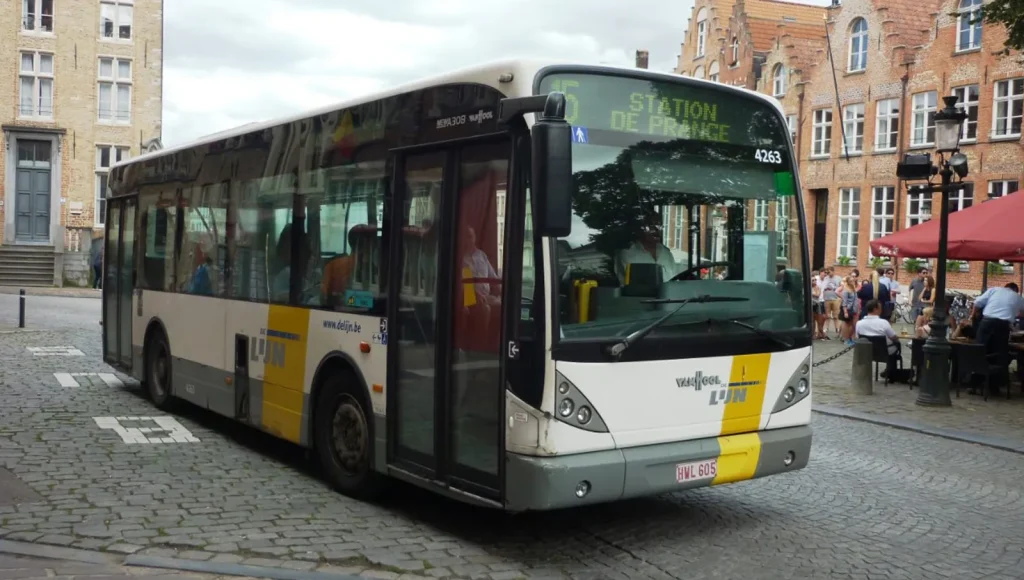
Local buses leave from Brugge Station and stop near Markt Square and Burg Square. Both on board and at the station, tickets are sold.
Travel Tips For An Amazing Time In Bruges
Here’s how to enjoy yourself to the fullest.
Start Your Day Early
Begin sightseeing early in the morning. The central squares stay quieter before 10:00. You can walk freely, take photos, and enjoy the quiet streets without large tour groups. Morning light is softer and works well for photos.
Visit Rozenhoedkaai at Sunset
This canal corner offers the best light of the day. The sky reflects on the water, and buildings glow in warm tones. Crowds are lighter than at midday, allowing for relaxed walking and better photo spots.
Use the Musea Brugge Card
Buy the Musea Brugge Card if you plan to visit more than two museums. The card covers major museums across the city and reduces entry costs. It also saves time at ticket counters and helps keep your daily plans smooth.
Carry Some Cash
Carry small amounts of cash with you. Some cafés, bakeries, and street food stalls do not accept cards. Cash also helps speed up small purchases and avoids payment issues.
Stay in the Historic Centre
Choose accommodation inside the historic centre if you want to walk everywhere. Most landmarks, cafés, and canals are within a short walk. This reduces transport costs and saves time between visits.
Wear Comfortable Shoes
Wear shoes that support long walks. Most streets use cobblestone. Flat and cushioned shoes protect your feet and make long days easier to manage.
Conclusion
Bruges is small, calm, and easy to explore. Two to three days give you time to see the main sights and enjoy the quieter streets. You can walk the city, eat well, and still feel unhurried.
That balance is what makes Bruges a strong choice for a short European break.
FAQs
How many days do you need in Bruges?
Two days cover the main sights. Three days give you time to enjoy food, parks, and side streets.
Can Bruges be done in one day?
Yes. The highlights are observable in a single day.. You will miss the quieter areas and evening atmosphere.
What is the best time to visit Bruges?
Mild weather and fewer people are available from April to May and September to October. December is popular for Christmas markets.
Is Bruges expensive?
Prices are similar to those in other major European cities. You can lower costs by staying outside the main squares and using the Musea Brugge Card.
Do people speak English in Bruges?
Yes. Most locals speak English. Dutch and French are also common.
Is Bruges suitable for walking?
Yes. Bruges is one of the most walkable cities in Europe. Most attractions sit within a 25-minute walk.