India is not just a place people travel to. For many people, it is a place they feel deeply. Faith, prayer, and quiet moments are part of everyday life here. You can sense this near rivers, inside temples, on mountains, in caves, and even in crowded streets. People come to India to feel calm, to think clearly, to heal, or to step away from daily noise and stress.
This guide shares some of the most meaningful spiritual places to visit in India in 2026. These places are not only about religion. They are about slowing down, listening to yourself, and feeling connected to something greater.
Spiritual Places to Visit in India
These places are among the most important spiritual sites in India. Many people visit them every year. They are full of life, strong feelings, and deep meaning. People across India and from other countries know these places well.
1. Golden Temple (Harmandir Sahib), Amritsar, Punjab
Religion: Sikhism
Best Time to Visit: February-March (pleasant weather, peaceful mornings)
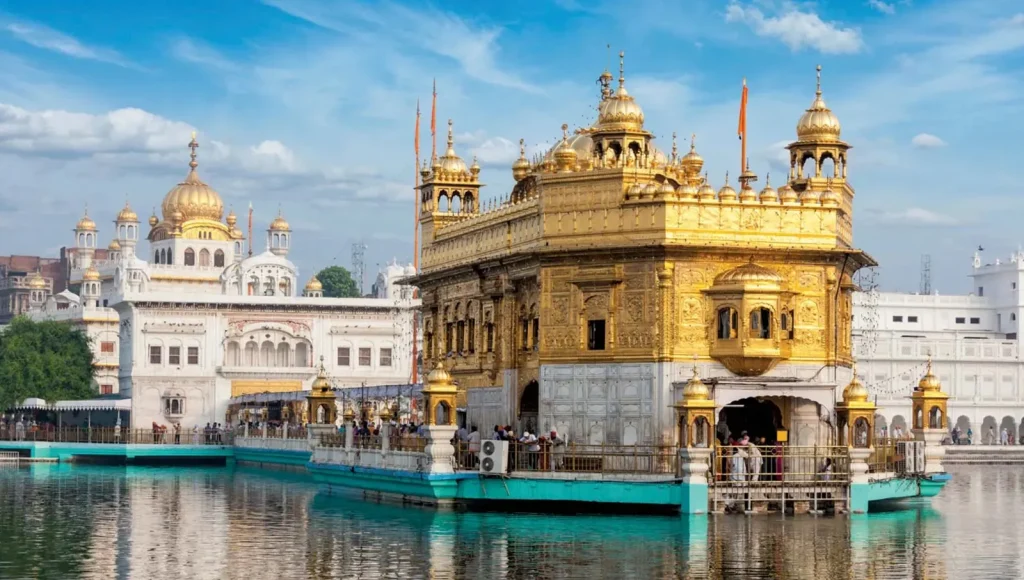
The Golden Temple is one of the most welcoming spiritual places in the world. It is open to everyone, no matter their religion or background. The golden shrine sits in the middle of a large water pool called the Amrit Sarovar, which means “Pool of Nectar”. The calm water, soft prayers, and gentle movement of people create a deeply peaceful feeling.
Why Visit
- World’s largest free kitchen (langar), serving over 100,000 meals daily.
- Open 24 hours a day, 7 days a week.
- Gold-covered temple with stunning reflection in water.
- Strong message of equality and service.
Entry: Free
2. Varanasi (Kashi Vishwanath Temple), Uttar Pradesh
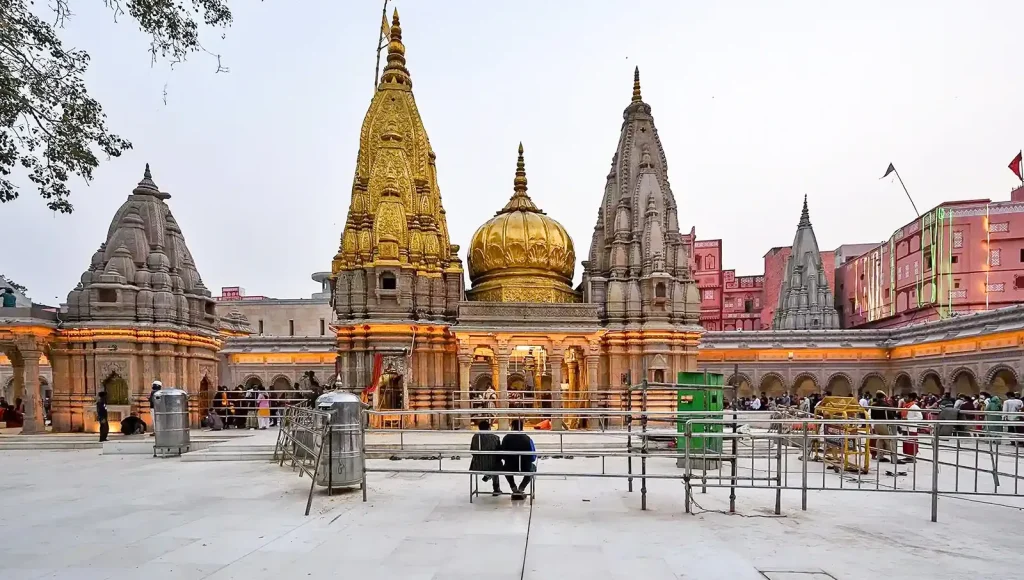
Religion: Hinduism
Best Time to Visit: February-April (comfortable weather, clear skies)
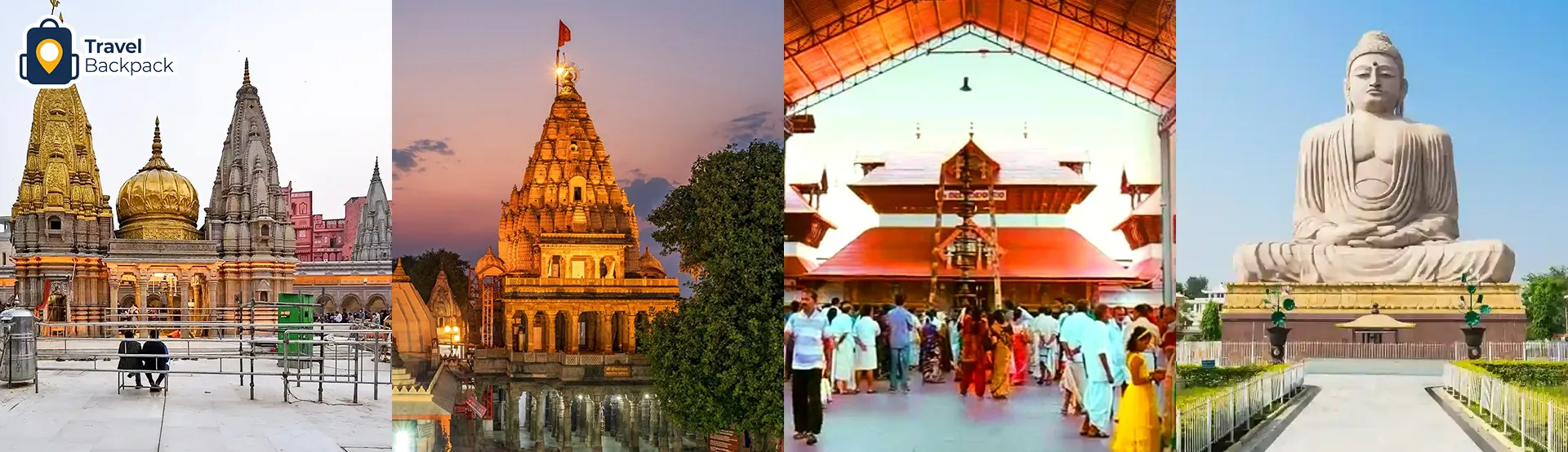
Varanasi is believed to be the world’s oldest continuously inhabited city. It is known as the city where life and death meet. The Ganges River flows through it, and daily rituals take place along its many ghats, stone steps leading down to the river. The Kashi Vishwanath Temple is one of the twelve Jyotirlingas, meaning the most sacred temples dedicated to Lord Shiva.
Why Visit
- One of the holiest cities in Hindu belief.
- Powerful Ganga aarti is held every evening.
- Ancient temples, rituals, and chanting everywhere.
Entry: Temple darshan is free; boat rides are usually paid
3. Tirupati Balaji (Sri Venkateswara Temple), Andhra Pradesh
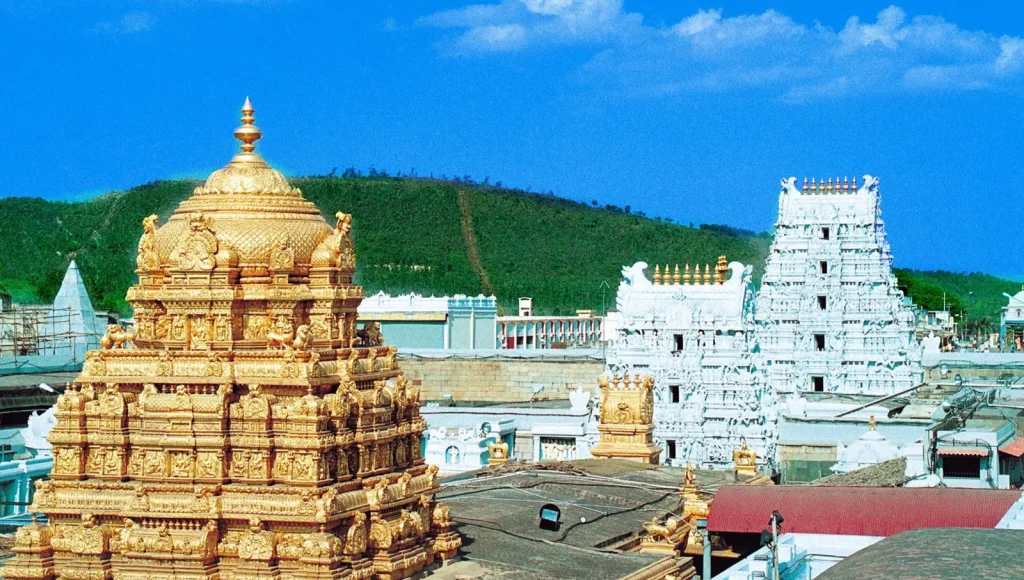
Religion: Hinduism
Best Time to Visit: February-March (pleasant hill weather, manageable crowds)
Tirupati is the most visited temple in the world. It is located on the Tirumala hills and is dedicated to Lord Venkateswara, also known as Balaji. Millions of people come here every year to pray and offer thanks. The main activity here is darshan, which means standing before the deity to seek blessings.
Darshans: Free Darshan (long wait), Special Entry Darshan (paid, shorter wait).
Accommodation: Temple guesthouses and Tirupati city hotels.
4. Mata Vaishno Devi Temple, Katra, Jammu & Kashmir
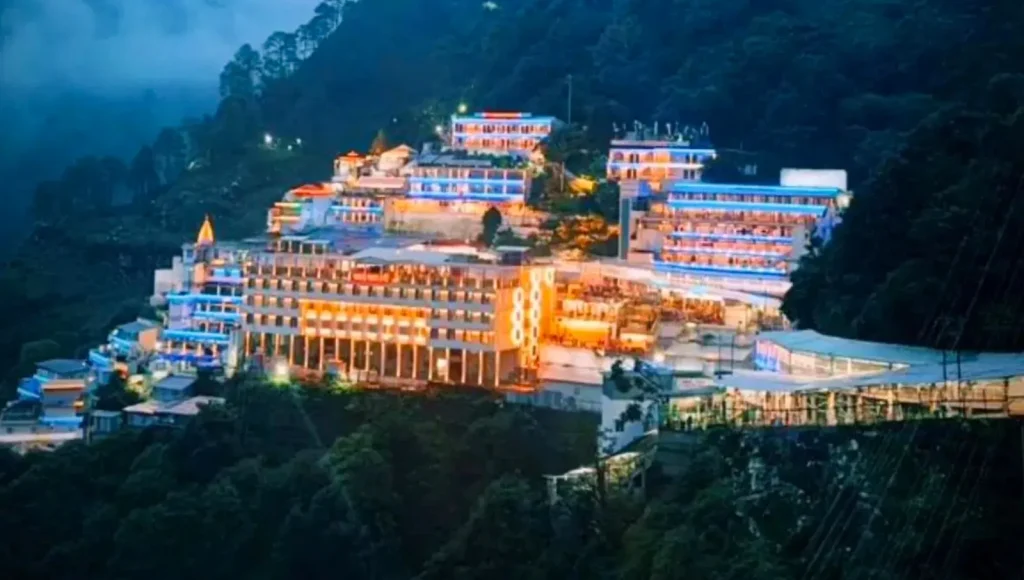
Religion: Hinduism (Shakti worship)
Best Time to Visit: February-April (clear weather for trek)
This temple is reached by a 13 km uphill journey from Katra. The shrine is inside a cave and is dedicated to the Goddess Vaishno Devi. The journey itself is considered an important part of the spiritual experience. The goddess is worshipped in the form of three natural rock formations called pindis.
Registration: Mandatory online registration
5. Shirdi Sai Baba Temple, Maharashtra
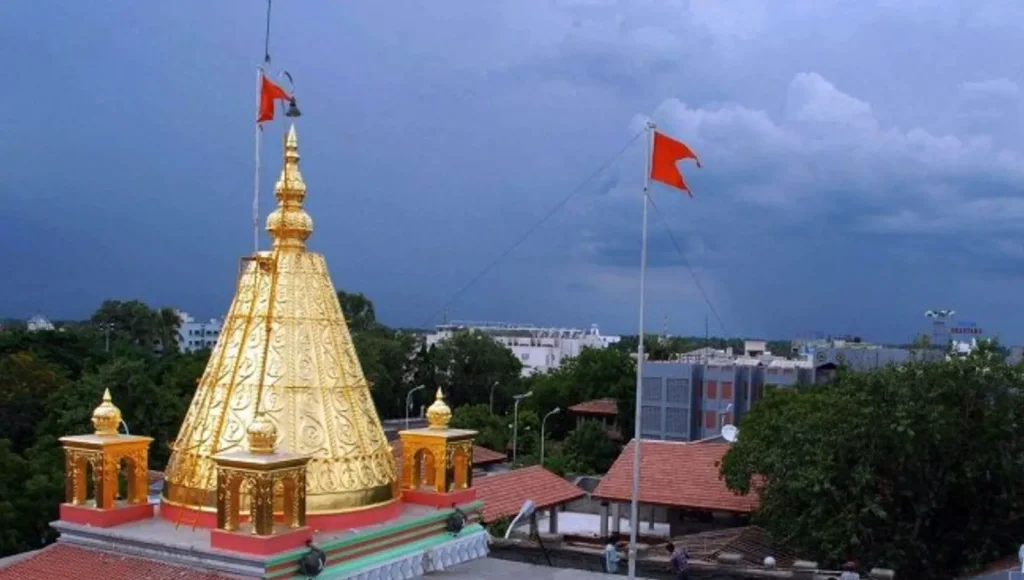
Religion: Hinduism (Interfaith saint)
Best Time to Visit: February-March (comfortable weather)
Shirdi is dedicated to Sai Baba, a saint loved by people of all religions. His message was simple: “Sabka Malik Ek”, meaning “God is one for all”. The town revolves around the temple, and everything feels calm and devotional.
6. Amarnath Cave, Jammu & Kashmir
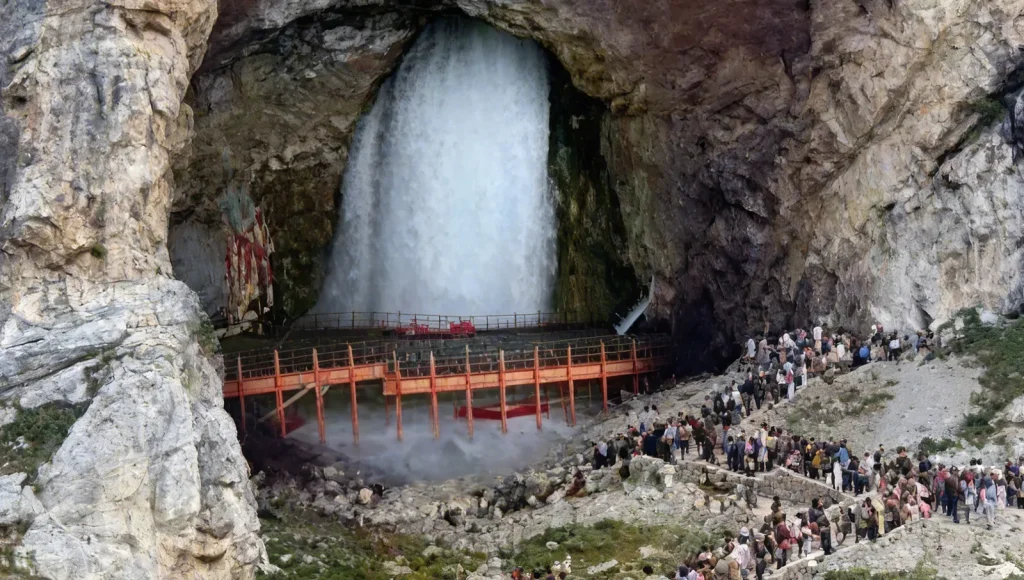
Religion: Hinduism
Best Time to Visit: July-August (official yatra season)
Amarnath is one of the most intense spiritual journeys in India. The shrine is a natural cave high in the Himalayas, where a Shiva Lingam forms from ice every year. This natural formation is believed to represent Lord Shiva himself, not crafted by humans but created by nature. The journey to Amarnath is physically demanding and mentally challenging, which is why many devotees see it as a test of faith rather than a simple visit.
7. Haridwar, Uttarakhand
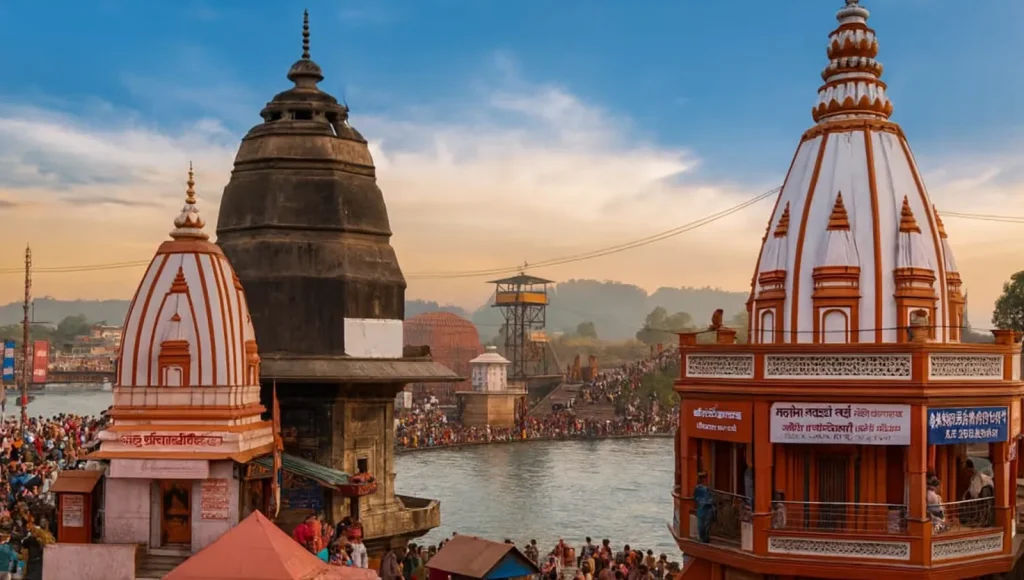
Religion: Hinduism
Best Time to Visit: February-April
Haridwar is one of the most sacred river cities in India. It marks the point where the Ganges River leaves the mountains and enters the plains. This transition is believed to carry strong spiritual meaning, symbolising the movement from purity to shared human life. The city feels constantly active with prayer. Bells ring, lamps float on water, and pilgrims gather from early morning until late at night.
8. Rishikesh, Uttarakhand
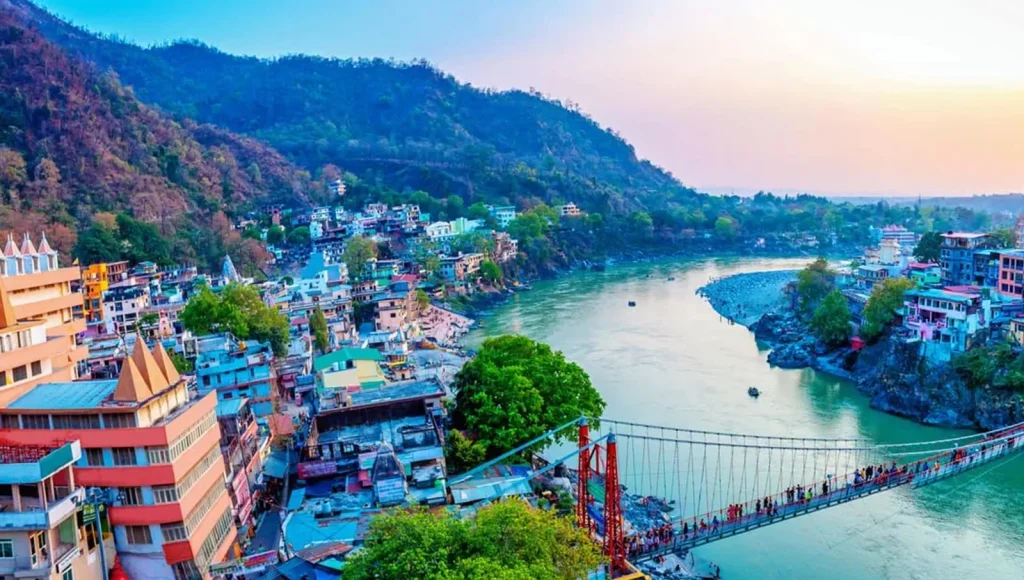
Religion: Hinduism (Yoga and spiritual practice)
Best Time to Visit: February-April
Rishikesh is often called the Yoga Capital of the World, but its spiritual meaning is much deeper than yoga poses. Yoga here is about breathing, quiet thinking, and learning to stay balanced. People from many countries come to Rishikesh to search for peace and understanding. The Ganges River flows gently through the town, and many visitors feel that Rishikesh is calmer and lighter than other holy places.
9. Mathura-Vrindavan, Uttar Pradesh
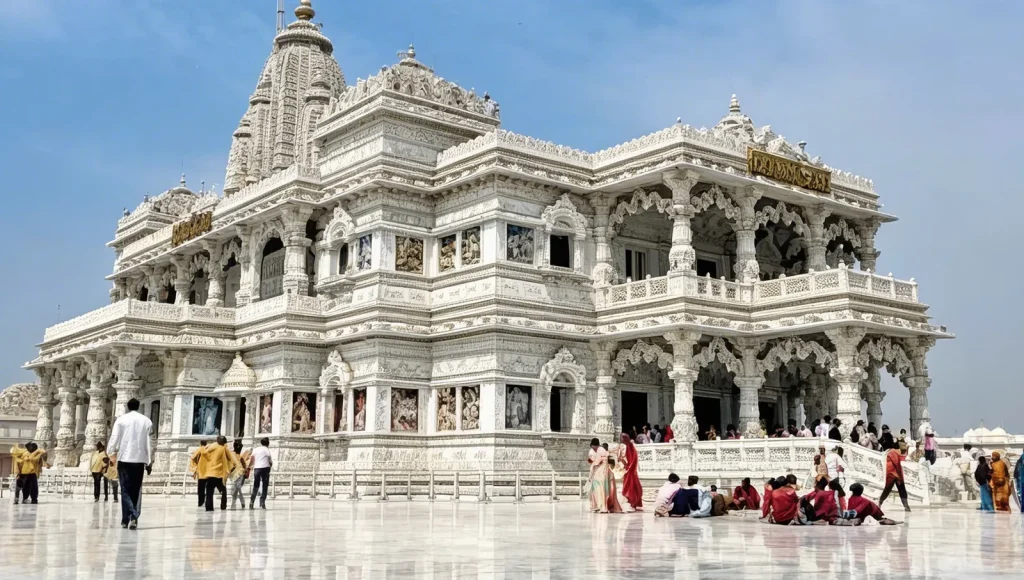
Religion: Hinduism
Best Time to Visit: February-March (especially during Holi)
Mathura and Vrindavan are closely linked to the life of Lord Krishna. Mathura is known as the place where he was born, and Vrindavan is where his childhood stories are remembered. These towns feel full of devotion every day. You hear chanting, see people praying, and feel strong emotions everywhere. Vrindavan, in particular, feels very intense. Temples are busy, prayers are loud, and people show their faith openly.
Visitors come here to feel fully surrounded by belief, colour, and emotion, not for silence.
10. Ayodhya, Uttar Pradesh
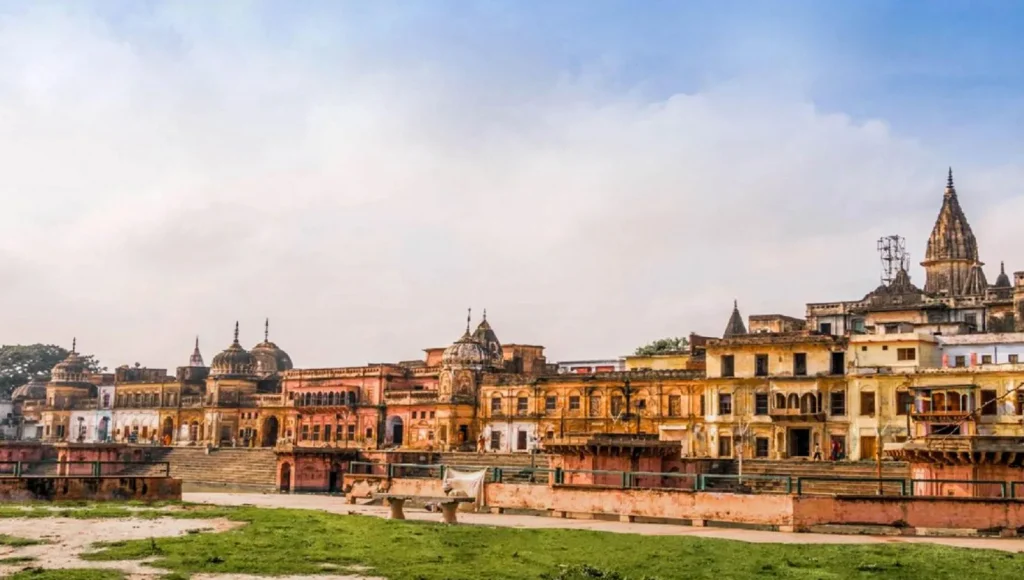
Religion: Hinduism
Best Time to Visit: February-April
Ayodhya is believed to be the birthplace of Lord Ram, an important figure in Hindu belief. The city carries deep meaning for many people and has become more active in recent years. The spiritual feeling here is tied to faith and identity. Walking near the Saryu River or visiting temples connects visitors to stories heard since childhood. The city feels serious, proud, and full of meaning.
11. Ujjain, Madhya Pradesh
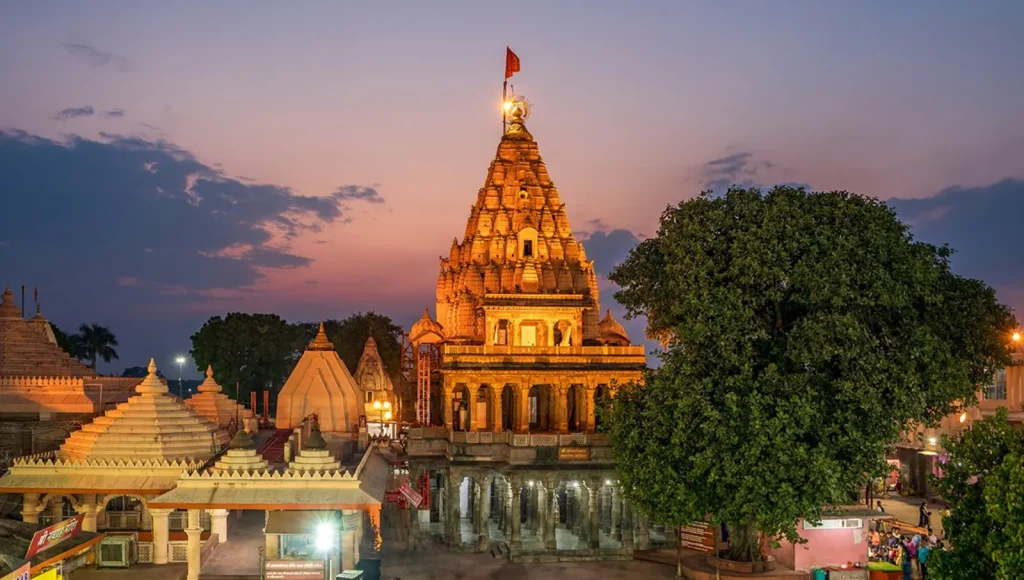
Religion: Hinduism
Best Time to Visit: February-April
Ujjain is one of the seven most holy cities in Hindu tradition. It is strongly linked to ideas of time, life, and renewal. The Mahakaleshwar Temple here is a Jyotirlinga, one of the most sacred temples of Lord Shiva. The city feels very old and focused on rituals. The Bhasma Aarti, held before sunrise using sacred ash, reminds people that life does not last forever. Many visitors find this experience humbling and grounding.
12. Omkareshwar, Madhya Pradesh
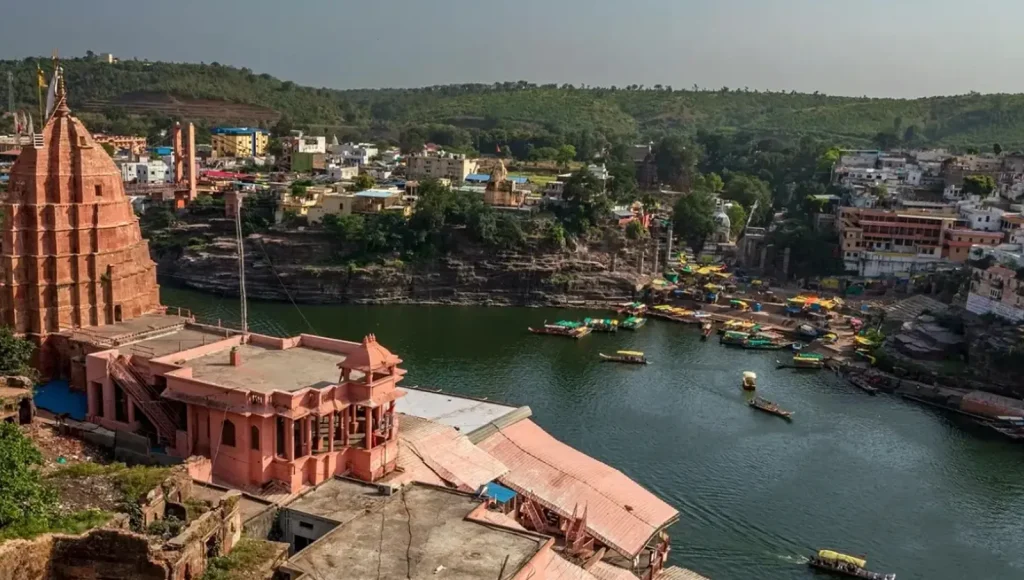
Religion: Hinduism (Jyotirlinga)
Best Time to Visit: February-March
Omkareshwar sits on an island in the Narmada River. The island is believed to look like the sacred “Om” symbol. Water surrounds the temple, which makes the place feel calm and steady. The spiritual feeling here is gentle, not crowded or rushed. People walk slowly, pray softly, and spend quiet time near the river. Many visitors come here together with Ujjain as part of a journey focused on Lord Shiva.
13. Khajuraho Temples, Madhya Pradesh
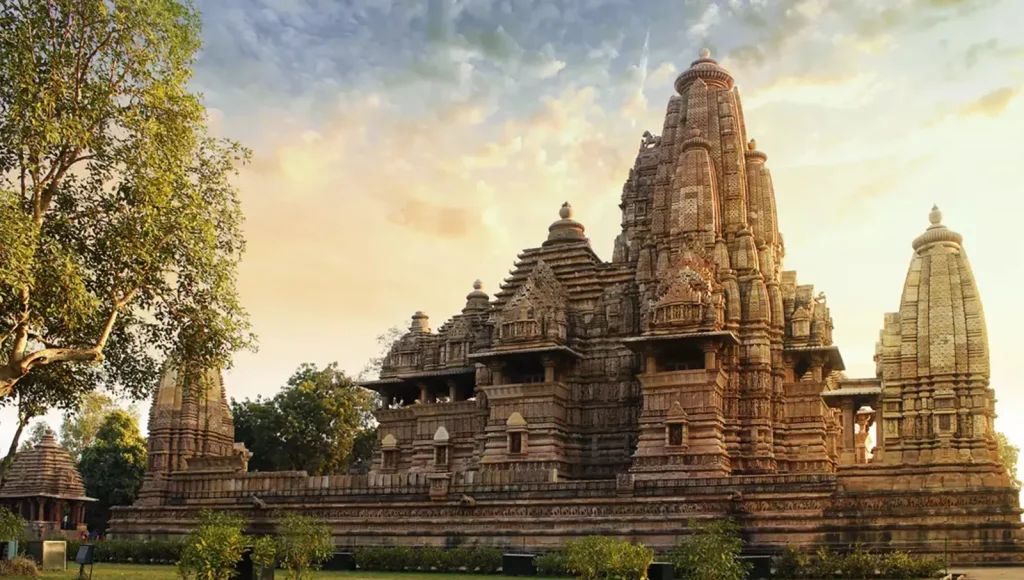
Religion: Hinduism and Jainism
Best Time to Visit: February-March
Khajuraho is known for its detailed temple carvings. These carvings show many parts of human life, including love, daily living, and spiritual growth. Some people misunderstand them, but they were made to show balance, not excess. The temples feel more thoughtful than prayer-filled. Visitors often feel curious and reflective here. Many leave with a new way of seeing how faith and everyday life can exist together.
14. Madurai Meenakshi Temple, Tamil Nadu
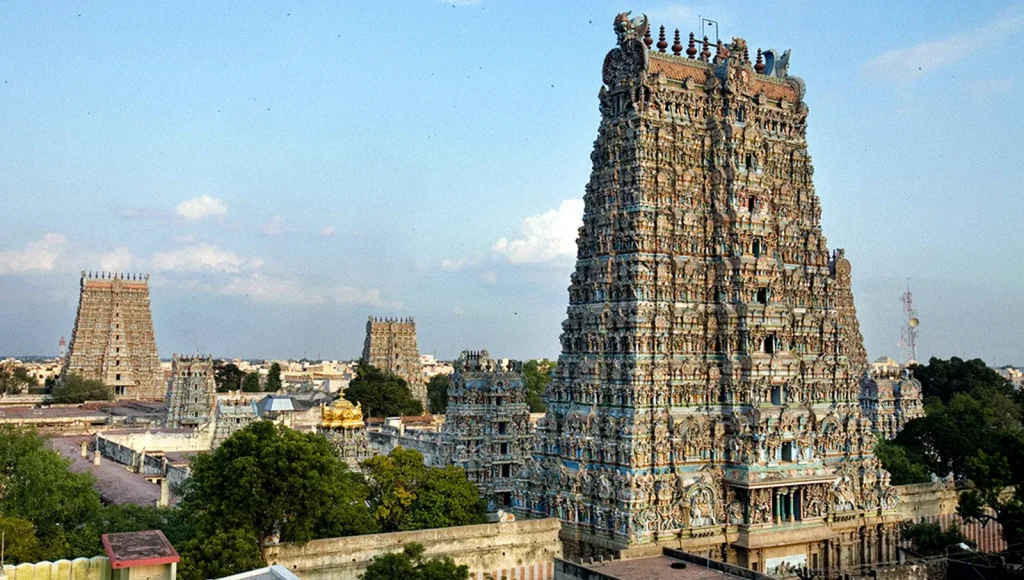
Religion: Hinduism
Best Time to Visit: February-April
The Meenakshi Temple in Madurai is one of the most colourful temples in India. Tall towers covered with bright statues tell stories from ancient times. The area around the temple feels busy and alive. Prayers, chanting, and daily rituals happen throughout the day. This temple is not just a place to visit. It is the centre of city life and shapes the rhythm of Madurai.
15. Thanjavur Brihadeeswarar Temple, Tamil Nadu
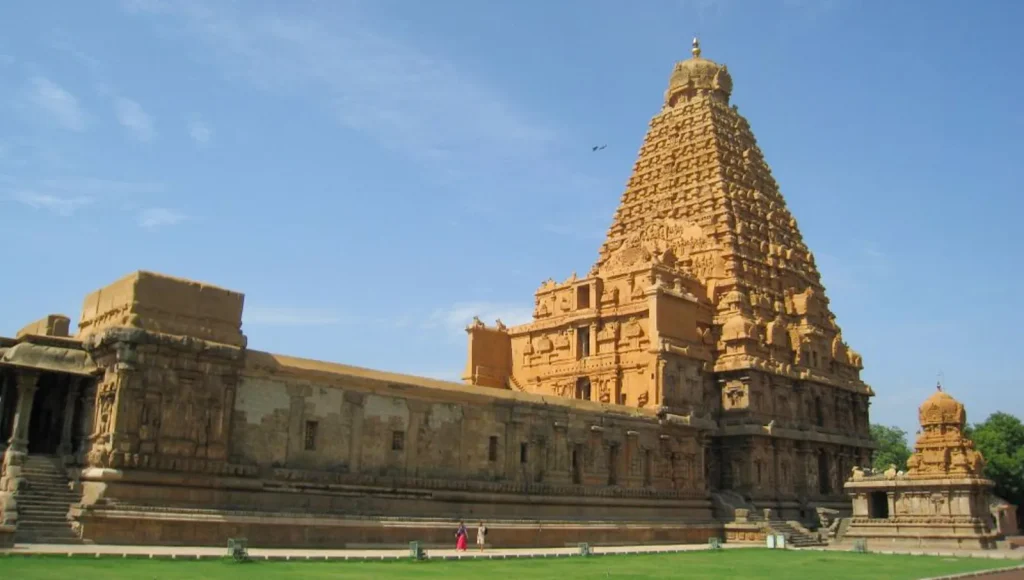
Religion: Hinduism
Best Time to Visit: February-March
This temple was built more than a thousand years ago and still stands strong today. It is dedicated to Lord Shiva and shows great skill and devotion. The size of the temple feels surprising, especially knowing how old it is. The space feels quiet and respectful. People often move slowly here, looking carefully and taking in the details rather than joining busy rituals.
16. Kanchipuram, Tamil Nadu
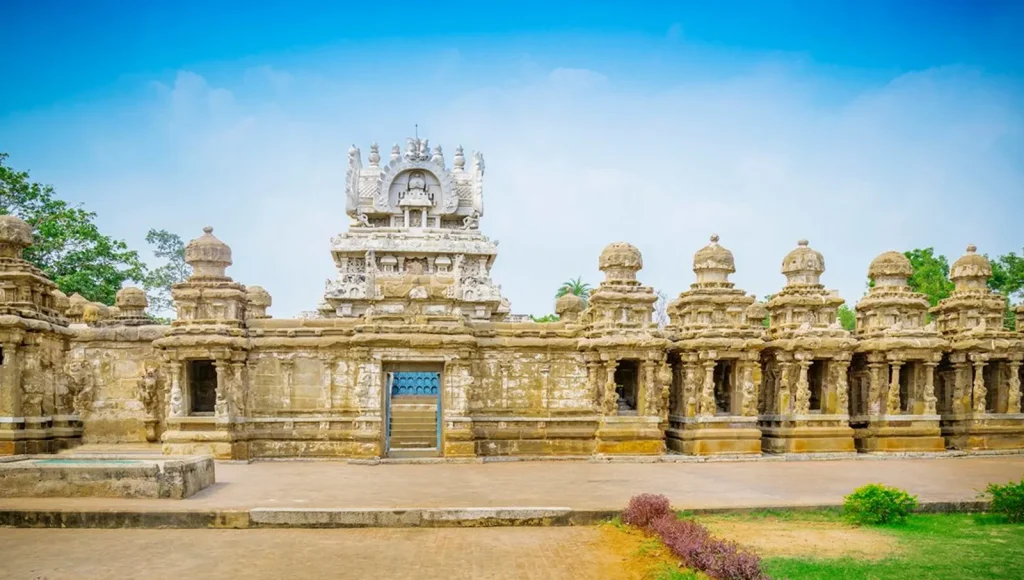
Religion: Hinduism
Best Time to Visit: February-March
Kanchipuram is often called the City of Thousand Temples. It is an important place of worship for Lord Shiva and Lord Vishnu. The city is also known for learning, tradition, and old religious practices. Temples here feel simple and local, not made for tourists. Daily prayers follow the same routine people have followed for hundreds of years. The city feels calm, serious, and deeply rooted in faith.
17. Mahabalipuram, Tamil Nadu
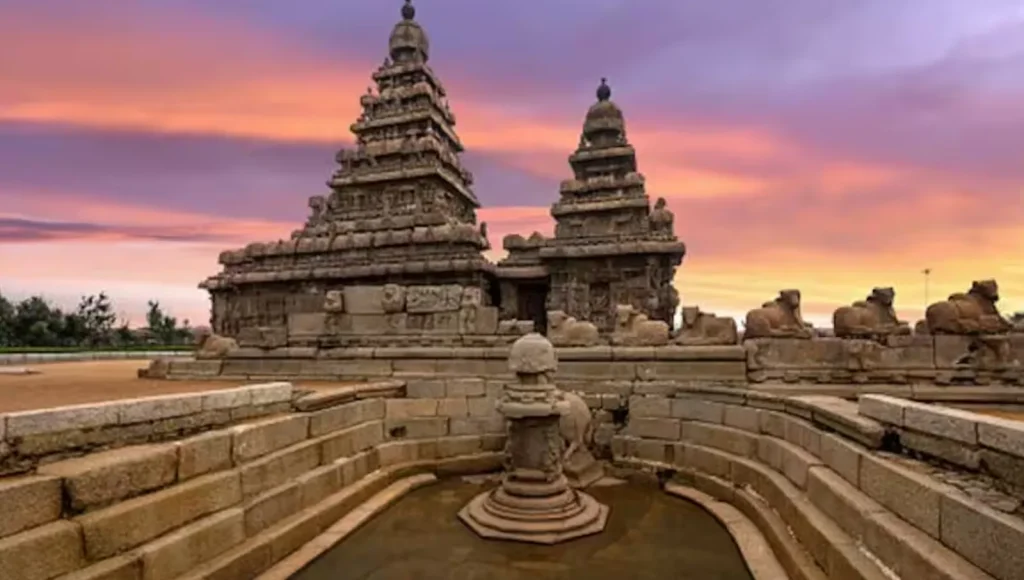
Religion: Hinduism
Best Time to Visit: February-March
Mahabalipuram feels peaceful and open because it sits near the sea. The temples here are carved directly from large rocks, not built with blocks. These carvings tell stories from Hindu mythology in stone. Compared to busy temple cities, this place feels softer and slower. Many people come here to think, walk, and enjoy moments of calm spirituality.
18. Guruvayur Temple, Kerala
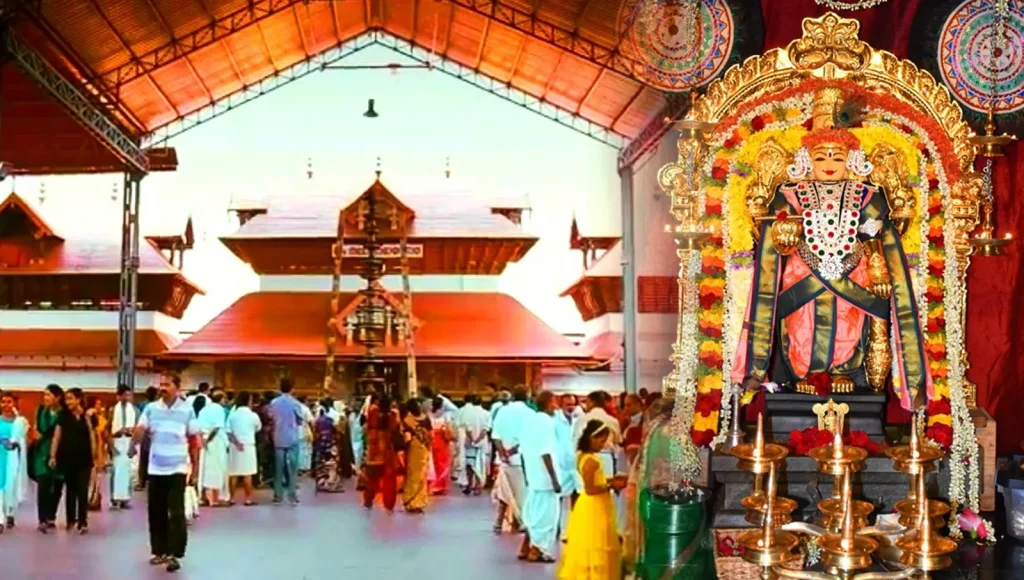
Religion: Hinduism
Best Time to Visit: February-March
Guruvayur is one of the most important temples for Lord Krishna in South India. The devotion here is very traditional and serious. There are clear rules about dress, behaviour, and prayer. Many families visit this temple again and again over many years. The atmosphere feels strong and focused. People come with deep faith and respect, not for sightseeing.
19. Sabarimala Temple, Kerala
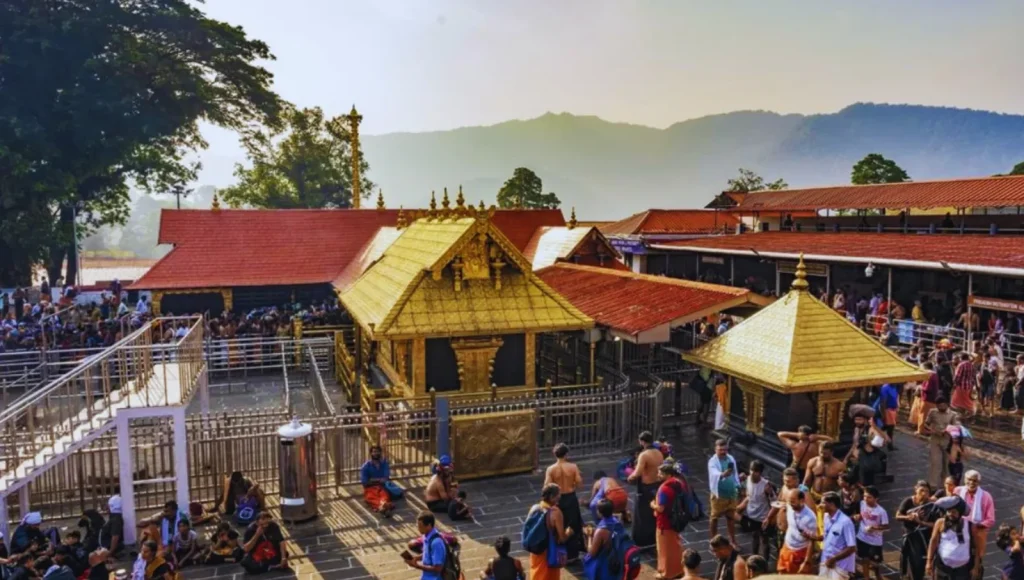
Religion: Hinduism
Best Time to Visit: November-January
Sabarimala is known for its strict rules and discipline. Devotees prepare for weeks by fasting and following simple living. The journey is seen as training for the mind and body, not just a temple visit. The temple stays closed most of the year. Because of this, the open season feels very special and important. Many pilgrims see reaching the temple as a deep personal achievement.
20. Mehandipur Balaji Temple, Rajasthan
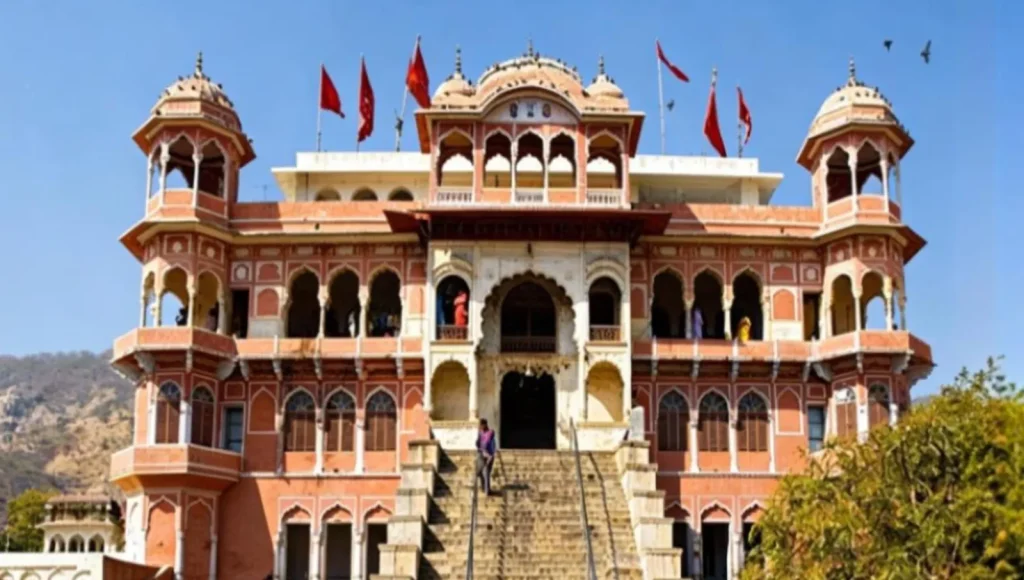
Religion: Hinduism
Best Time to Visit: February-March
This temple is known for healing rituals linked to removing negative forces. The atmosphere feels intense and serious, not calm or quiet. People often arrive with strong hope and belief. Many come here after trying other solutions. The rituals can feel overwhelming for first-time visitors. Faith plays a very strong role in the experience here.
21. Pushkar, Rajasthan
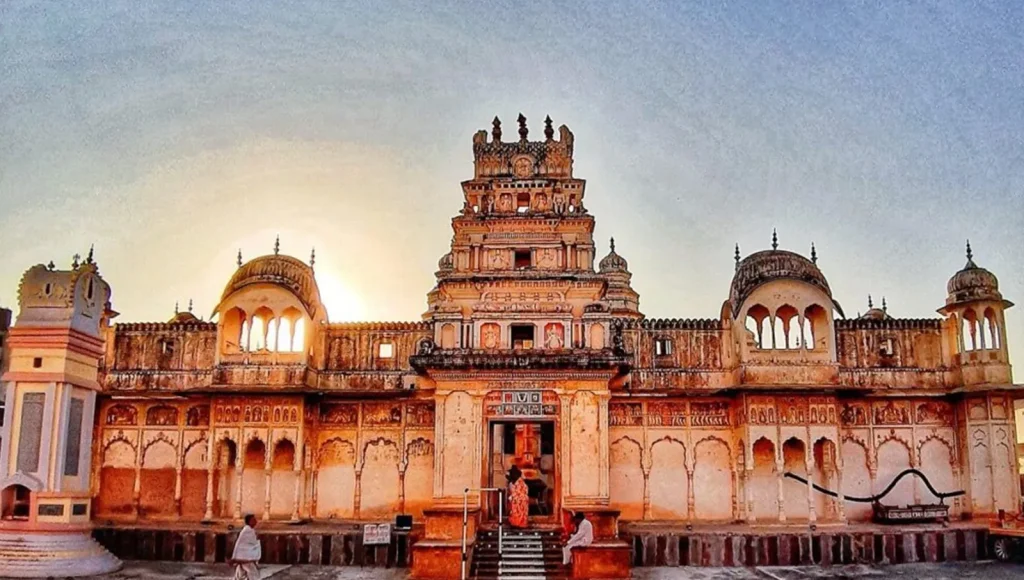
Religion: Hinduism
Best Time to Visit: February-March
Pushkar is centred around a sacred lake and is home to the world’s only Brahma temple. The town feels calm and reflective. Pilgrims walk around the lake, stopping at ghats to pray quietly.
22. Gurudwara Bangla Sahib, Delhi
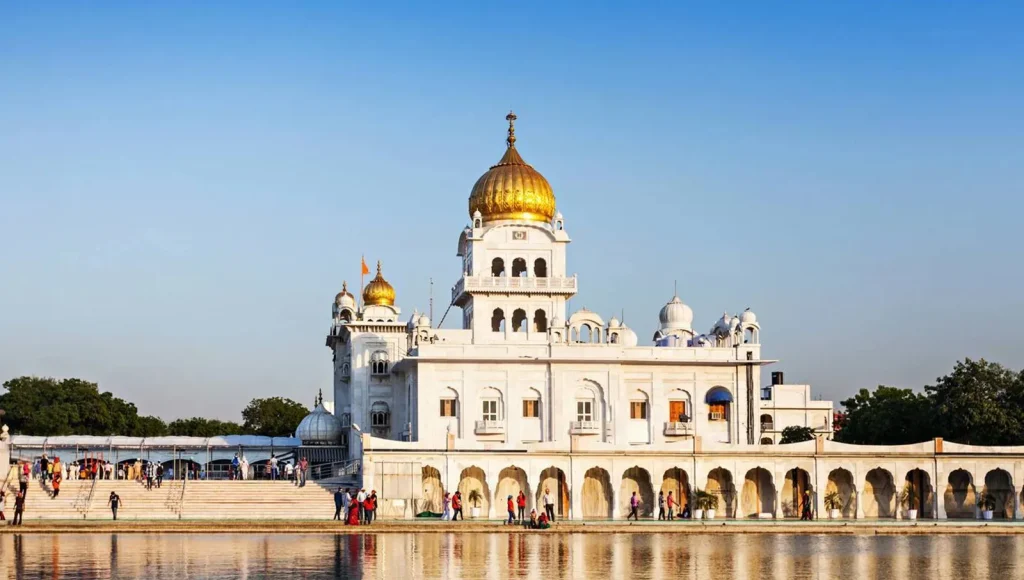
Religion: Sikhism
Best Time to Visit: Year-round
This gurudwara offers peace in the middle of a busy city. The water pond, prayers, and langar service create a calm and welcoming environment.
23. Gurudwara Sis Ganj Sahib, Delhi
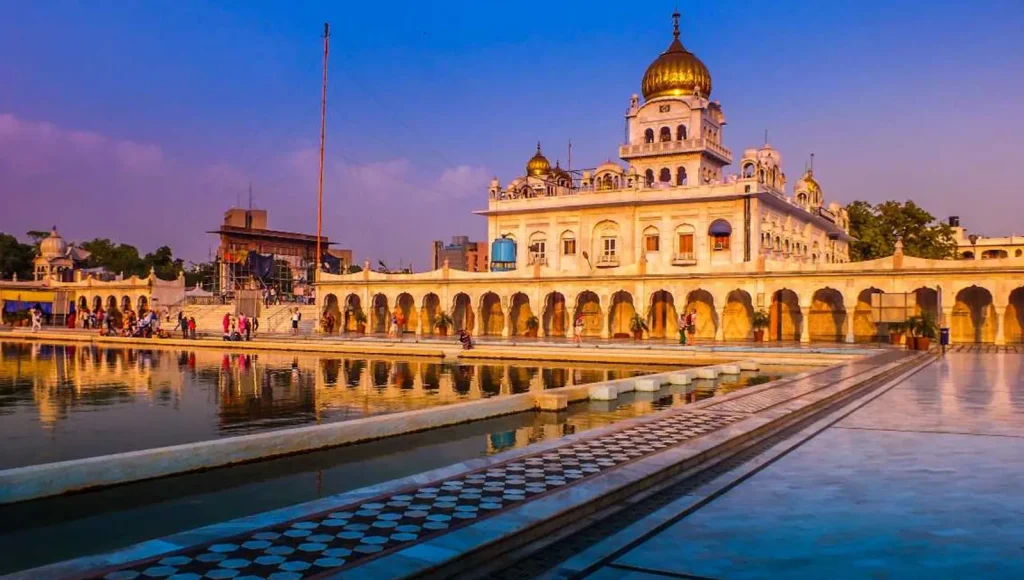
Religion: Sikhism
Best Time to Visit: Year-round
Built at the site of Guru Tegh Bahadur’s martyrdom, this gurudwara carries strong historical and emotional weight.
24. Hemkund Sahib, Uttarakhand
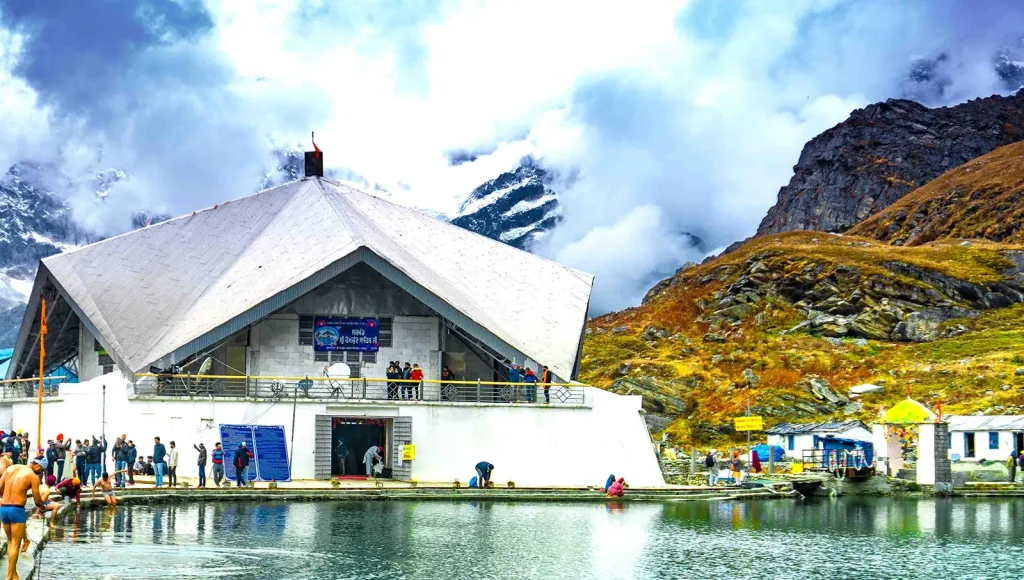
Religion: Sikhism
Best Time to Visit: June-September
Hemkund Sahib is the highest gurudwara in the world. It sits next to a cold, clear lake in the high mountains. Reaching this place is not easy and requires a long, tiring walk. This hard journey is seen as part of the spiritual experience. The mountains feel quiet and still, and the lake looks calm and pure. Many visitors say they feel very humble, peaceful, and settled after arriving here.
25. Anandpur Sahib, Punjab
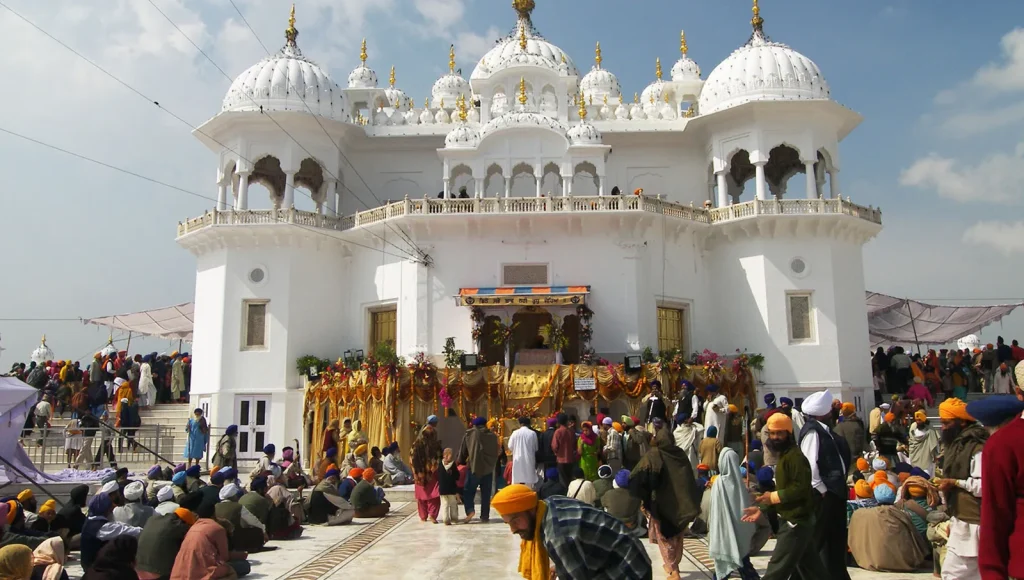
Religion: Sikhism
Best Time to Visit: February-March
Anandpur Sahib is a very important place for Sikhs. This is where Guru Gobind Singh Ji started the Khalsa Panth. This event changed Sikh life and teachings forever. It gave Sikhs a strong identity and clear values. The town has many gurudwaras linked to important moments from Sikh history. Visiting Anandpur Sahib helps people understand the Sikh faith in a simple and real way. The place feels calm, serious, and full of meaning.
26. Bodh Gaya, Bihar
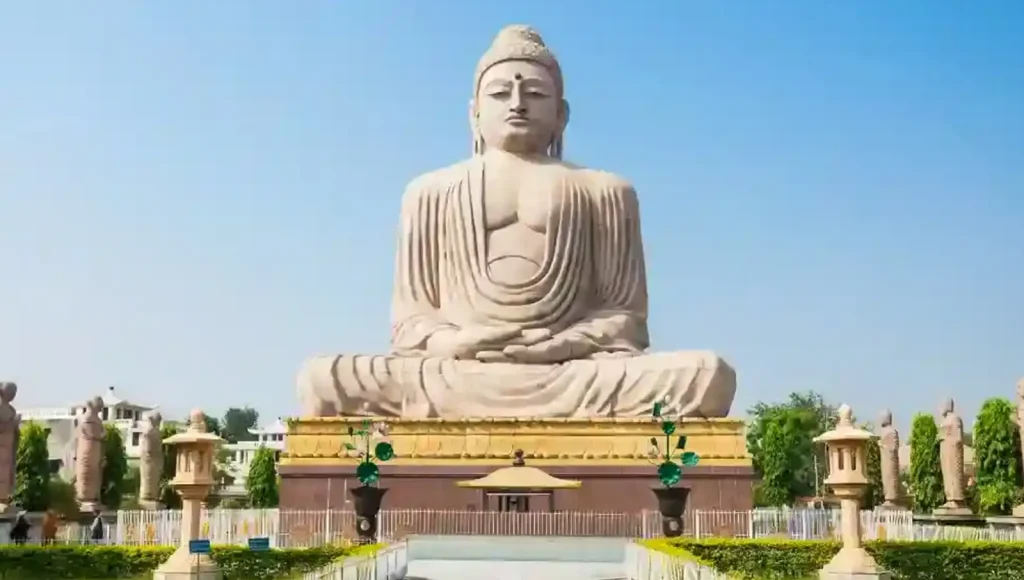
Religion: Buddhism
Best Time to Visit: February-March
Bodh Gaya is the holiest place in Buddhism. This is where Prince Siddhartha became Buddha after deep meditation under the Bodhi Tree. The place feels very quiet and calm. Monks from many countries sit together and meditate in silence. There is a strong feeling of peace in the air. Many people come here not to talk or rush, but to sit, think, and feel still inside.
27. Sarnath, Uttar Pradesh
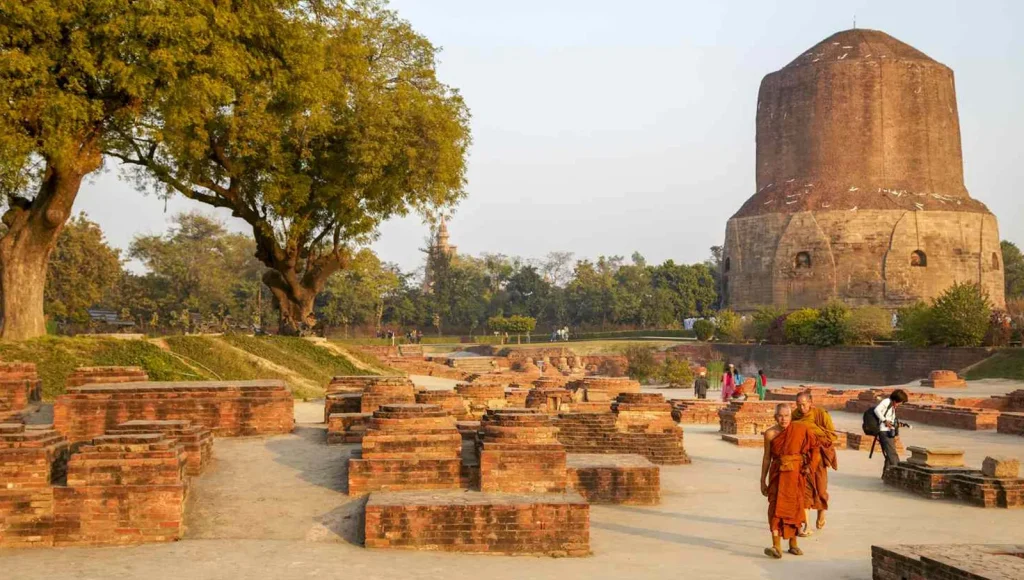
Religion: Buddhism
Best Time to Visit: February-April
Sarnath is a very special place for Buddhists. This is where Buddha gave his first teaching after he became enlightened. This moment began the spread of Buddhist teachings across the world. The area feels open, calm, and quiet. There are old stupas, simple ruins, and green lawns all around. Many people feel relaxed here, especially after visiting busy Varanasi nearby.
28. Kushinagar, Uttar Pradesh
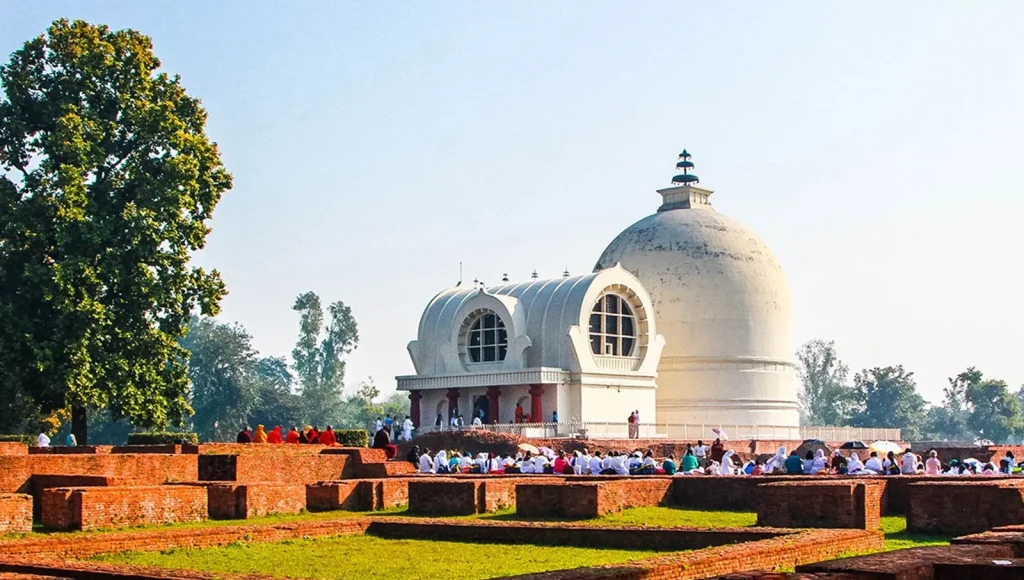
Religion: Buddhism
Best Time to Visit: February-March
Kushinagar is believed to be the place where Buddha passed away and left the physical world. This moment is called Mahaparinirvana, which means final peace. The feeling here is soft and gentle, not sad or heavy. People come to think about life, change, and letting go. The place encourages slow walking, quiet sitting, and deep thought.
29. Dharamshala / McLeod Ganj, Himachal Pradesh
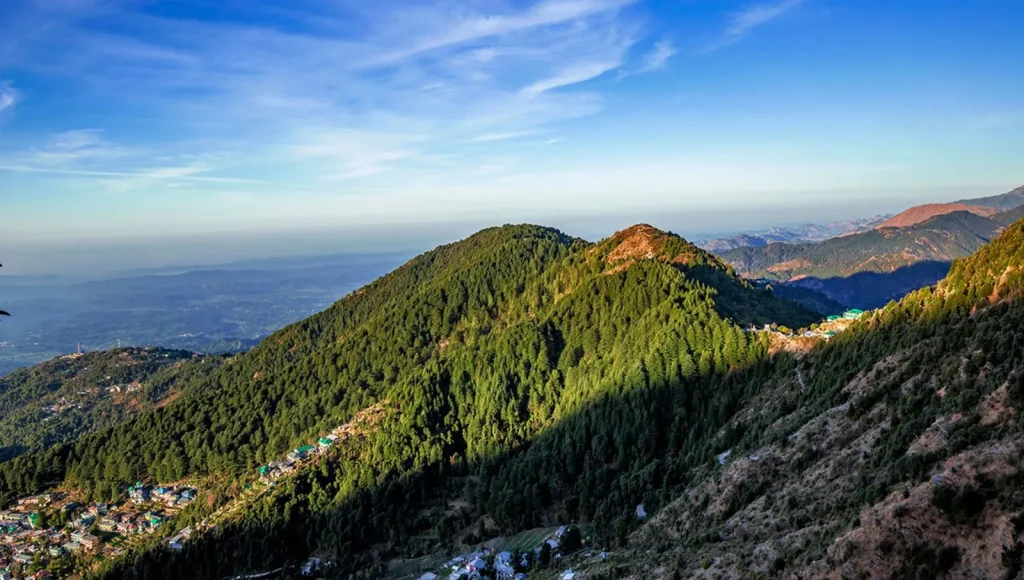
Religion: Tibetan Buddhism
Best Time to Visit: March-April
Dharamshala is the home of the Dalai Lama and the Tibetan community in exile. The town sits in the mountains and feels cool, calm, and thoughtful. Tibetan culture is visible everywhere through prayer flags, monasteries, and peaceful paths. Visitors often come to learn about compassion, balance, and mindful living. The place feels gentle and welcoming.
30. Rumtek Monastery, Sikkim
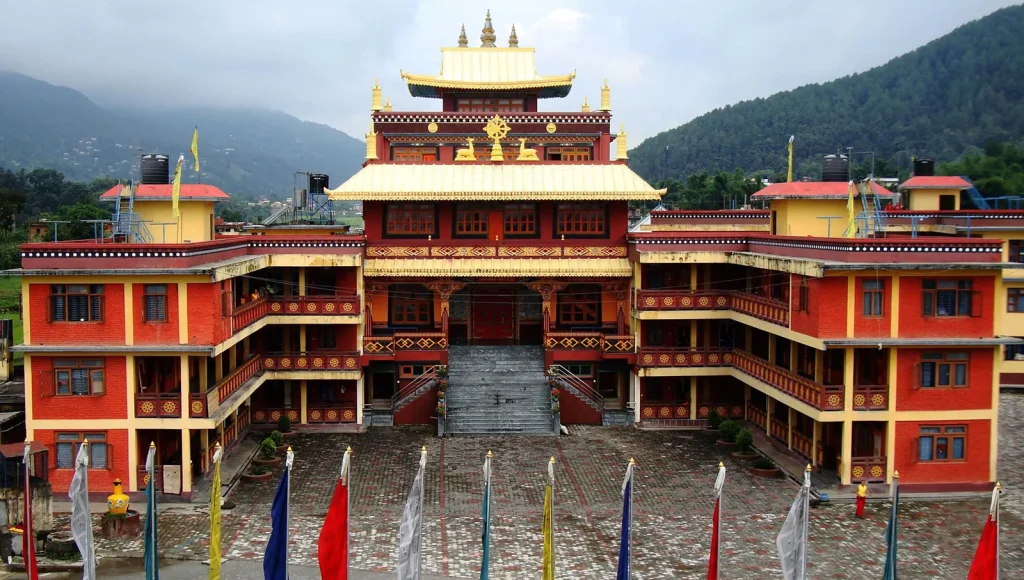
Religion: Tibetan Buddhism
Best Time to Visit: March-April
Rumtek Monastery is one of the most important Buddhist centres outside Tibet. It is a place of learning, prayer, and daily discipline. The space feels organised, quiet, and respectful. Visitors often sit silently and watch monks follow their routines. The calm atmosphere naturally slows people down.
31. Tawang Monastery, Arunachal Pradesh
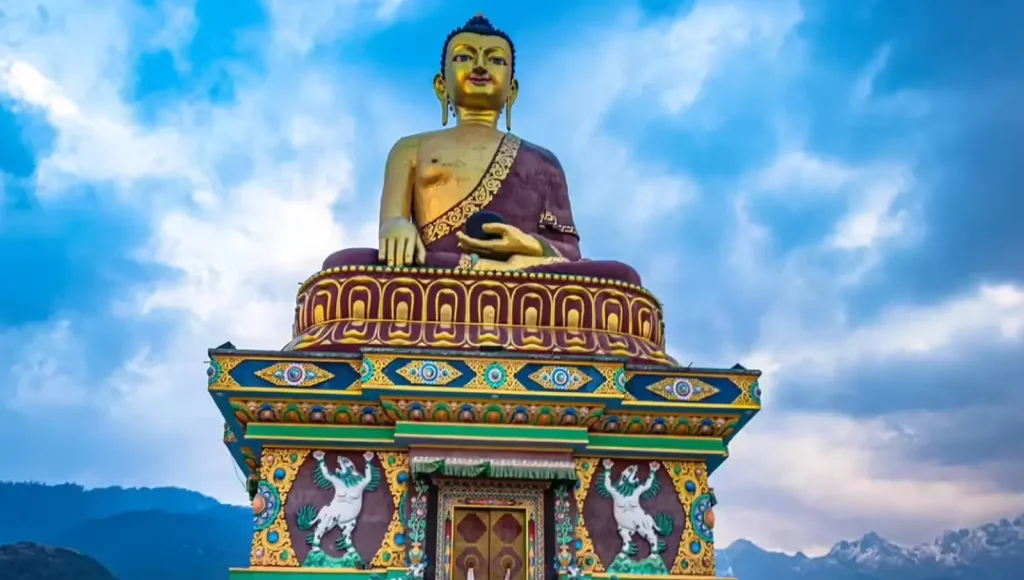
Religion: Tibetan Buddhism
Best Time to Visit: March-April
Tawang Monastery is the largest monastery in India. It is built high in the mountains and looks over wide valleys. The location feels remote and powerful. Because of the height and silence, visitors often feel very small and reflective. The quiet here helps people think clearly and gain perspective on life.
32. Palitana Temples, Gujarat
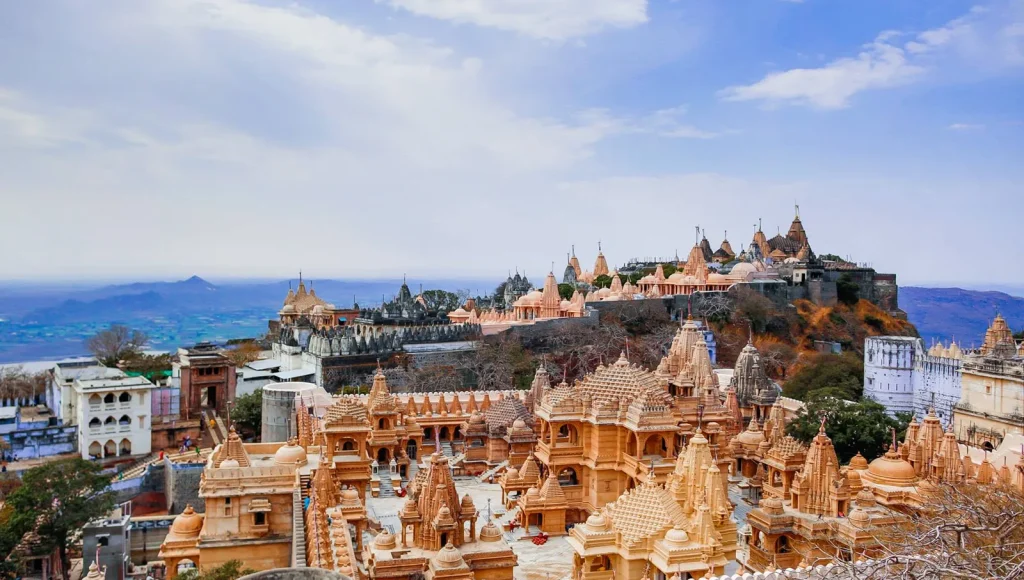
Religion: Jainism
Best Time to Visit: February-March
Palitana is the holiest place in Jainism. More than 900 temples sit on top of a hill. To reach them, people climb thousands of steps. This climb is part of the spiritual practice. Silence, focus, and non-violence are taken very seriously here. The place feels strict, pure, and deeply disciplined.
33. Ranakpur Jain Temple, Rajasthan
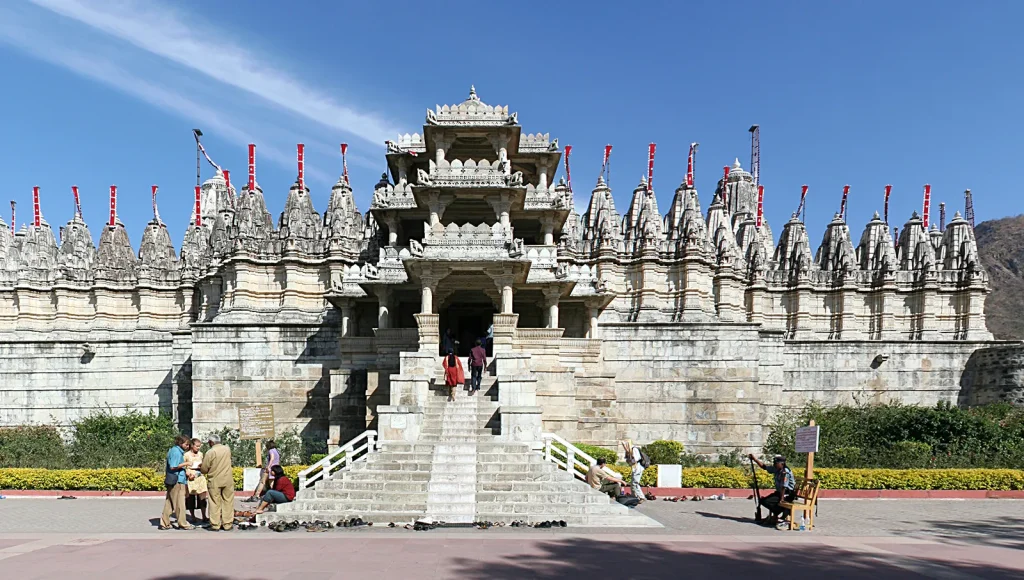
Religion: Jainism
Best Time to Visit: February-March
Ranakpur Temple is famous for its white marble and detailed carvings. Every pillar inside the temple is different. The space feels calm and clean. People naturally speak softly and move slowly here. The quiet surroundings help visitors feel peaceful and present.
Final Thoughts
A spiritual journey in India is not about seeing everything or rushing from one place to another. It is about feeling where you are. Some places feel calm and quiet. Some feel powerful and emotional. Some make people think deeply, while others simply bring peace without words.
What makes India special is the variety. You can sit silently under a tree where Buddha once meditated, walk barefoot around a glowing temple, listen to prayers by a river, or climb a mountain just to reach a place of faith. Each location offers something different, and every person connects in their own way. These spiritual places in 2026 continue to inspire, not for their age but for the emotions they evoke. Come and share your experience with the world.
FAQs
Do you need to be a member of a religion to visit these places?
No. Many people visit these places without following the religion connected to them. Visitors come to observe, reflect, and understand. Respect and openness matter more than belief.
Is it okay to visit spiritual places without doing rituals?
Yes. Rituals are optional. Some people pray, some sit quietly, and some simply watch. Being present and respectful is enough.
How much time should you spend at one spiritual place?
That depends on the place and your purpose. Some locations feel complete in a few hours. Others feel better when you stay a day or two. There is no right number.
Are these places suitable for solo travellers?
Yes. Many solo travellers visit spiritual places because they feel safe and welcomed. Solo visits often help people focus inward without distractions.
Will these places feel crowded?
Some places can be crowded during peak seasons or festivals. Early mornings and weekdays usually feel calmer and more peaceful.
Can spiritual trips be emotionally intense?
Yes, sometimes. Certain places bring up strong feelings, memories, or thoughts. This is normal and often part of the experience.
Do you need to dress a certain way?
Most places prefer modest clothing. Covered shoulders, long pants or skirts, and simple attire are usually safe choices.
Are spiritual places child-friendly?
Some are, some are not. Calm temples and open spaces work well. Long treks or strict ritual sites may be harder for children.
Is silence required everywhere?
No. Some places are silent, others are full of chanting, bells, or music. Each place has its own energy.
Can a short visit still feel meaningful?
Yes. Even a short visit can leave a deep impression if you stay present and open.
Can spiritual places change how you travel after visiting them?
Yes, often they do. After visiting certain spiritual places, people naturally travel more slowly, spend more time observing, and feel less pressure to do everything. The journey becomes more about meaning than movement.