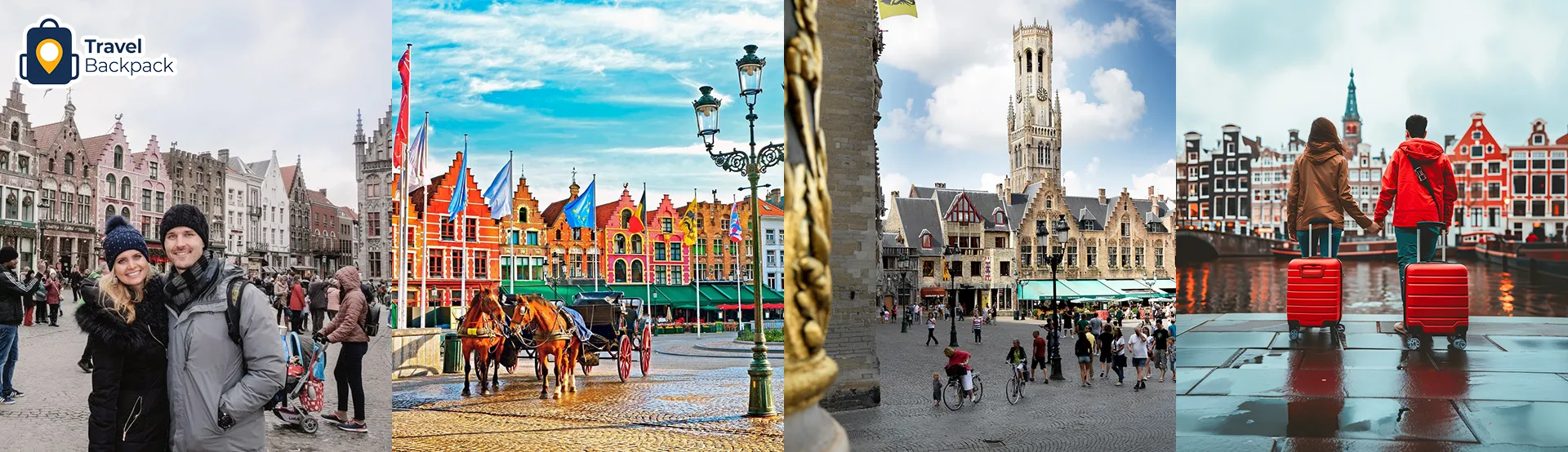
Bruges feels like a town taken out of a storybook. It has tiny stone streets, slow canals, old buildings, and small squares where people sit with hot coffee and waffles. It looks calm and pretty in photos, but the feeling changes a lot depending on when you go. As a result, there is no single “best” month for everyone. The best time to visit Bruges depends on your travel plans.
Some people want warm days and outdoor cafés. Some want fewer people and slower walks. And some want cheaper hotels. Others wish for Christmas lights, markets, and cosy evenings. Each season gives a different version of Bruges, and each version feels special in its own way.
This guide explains how Bruges changes throughout the year. It shows what spring feels like, what summer looks like, how autumn slows things down, and why winter feels calm and magical. By the end, it’s easier to choose a time that fits your travel style, budget, and energy level, and to plan activities in Bruges that will make your visit truly memorable.
Tourist Seasons in Bruges
Bruges remains beautiful year-round, but the city’s mood changes significantly from season to season. Understanding how these seasons work helps avoid surprises and plan a trip that feels comfortable rather than rushed. To make things easier, Bruges can be divided into three simple travel seasons. Each season brings a different crowd level, price range, and travel experience.
| Season Type | Months | What It Feels Like |
| Peak Season | May to August | Warm, lively, crowded, and expensive |
| Shoulder Season | April, September, October | Balanced, calm, comfortable |
| Off-Season | November to March | Quiet, cosy, cheaper |
Peak Season
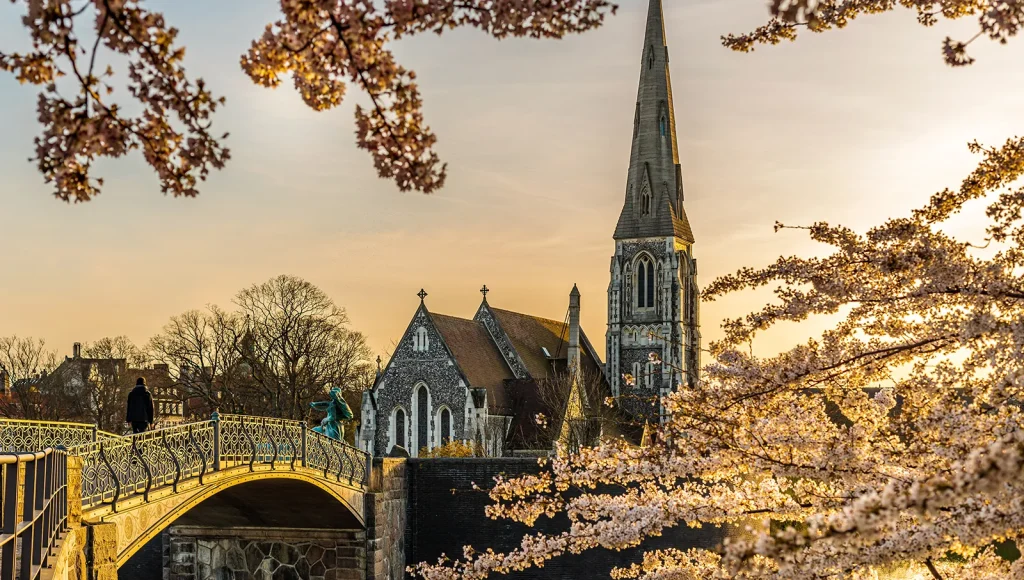
Bruges feels full of life. Streets stay busy from morning until night, cafés remain packed, and popular places often have lines. Hotels charge higher rates, and walking through the centre takes longer due to crowds.
Shoulder Season
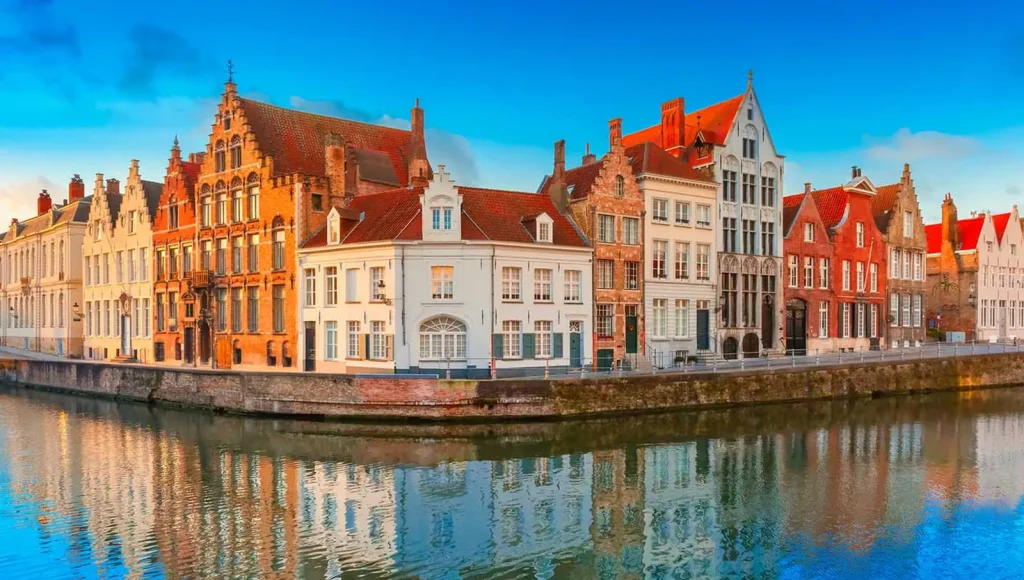
The city still feels alive but not rushed. Streets stay walkable, museums feel calmer, and cafés feel welcoming rather than crowded.
Off-Season
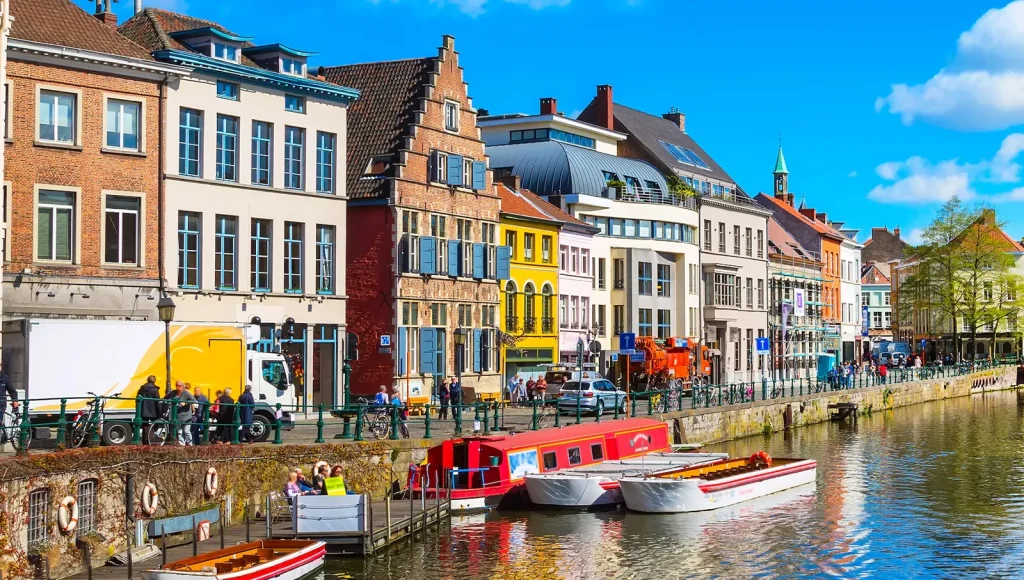
This season brings a different mood. Bruges becomes slower, quieter, and more peaceful. Prices drop, and the city feels more like a local town than a tourist hotspot.
Spring in Bruges (March to May)
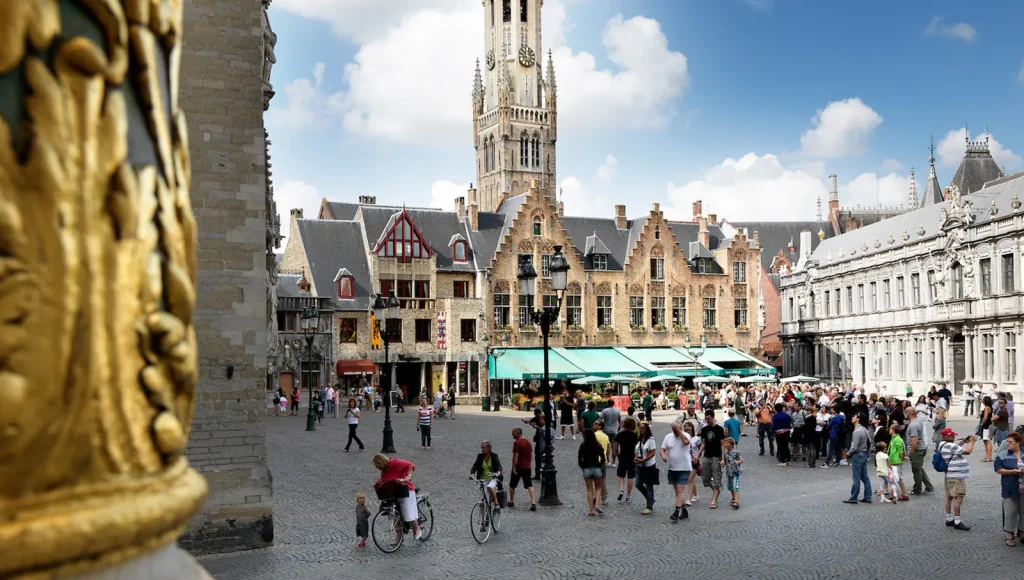
Spring is when Bruges slowly wakes up after winter. The air starts to feel softer. Trees grow new leaves. Small flowers appear along canals and in quiet gardens. Walking around feels calm and pleasant. March can still feel cool, especially in the mornings. April becomes more comfortable. By May, the days feel bright, and outdoor cafés start filling again. The city feels cheerful but not yet crowded like summer.
Spring works well for travellers who enjoy slow walks, canal boat rides, and quiet café breaks. Hotels are usually cheaper than in summer, and popular places are easier to enjoy without long queues.
Summer in Bruges (June to August)
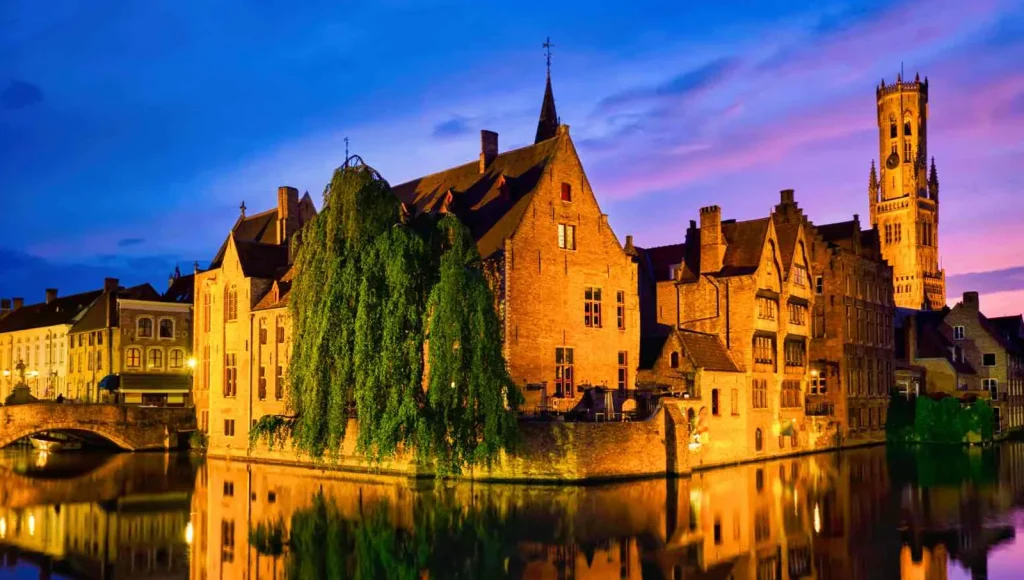
Summer is the busiest time in Bruges. The weather feels warm. Days stay long. Sunlight makes the canals sparkle. Outdoor tables fill every square and street corner. This season feels exciting and lively, but also very crowded. Many tour groups arrive daily. Popular streets stay packed. Museums and landmarks often have lines. Hotel prices rise fast.
Summer is excellent for travellers who enjoy festivals, outdoor dining, and long sunny days. But it can feel overwhelming for people who prefer quiet walks and slow travel. Booking early is essential during this season, as hotels and tours sell out quickly.
Autumn in Bruges (September to October)
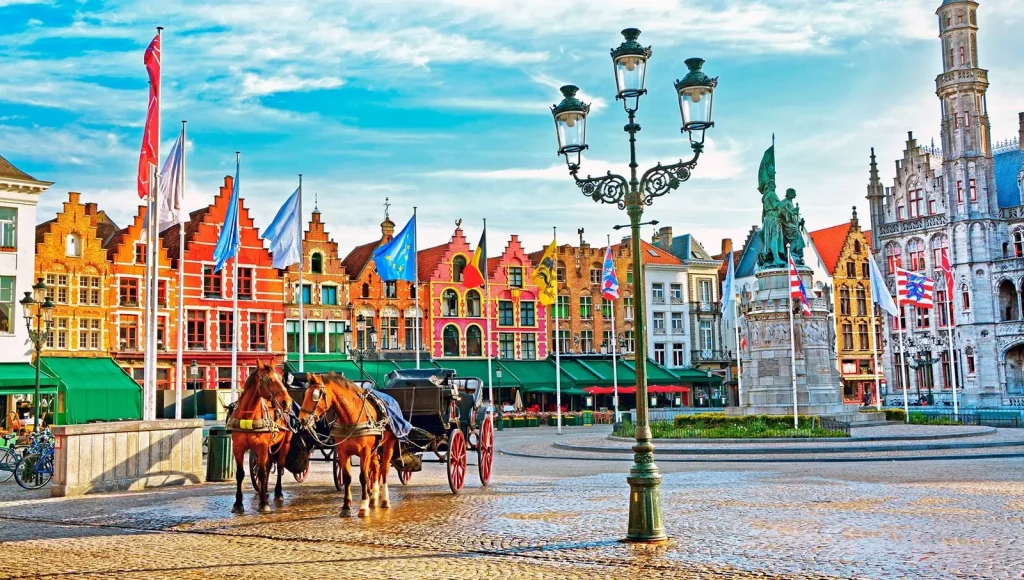
The crowds slowly fade. The air feels cooler. Leaves turn soft shades of yellow and orange. September still feels warm but calmer than summer. October feels cooler and quieter. Streets feel peaceful again, and cafés feel slower and more relaxed. This season is well-suited for people who enjoy photography, museums, and tranquil walks along the canals. Prices start dropping, and popular places feel easier to enjoy.
Many travellers find autumn reveals a softer, more peaceful side of Bruges.
Winter in Bruges (November to February)
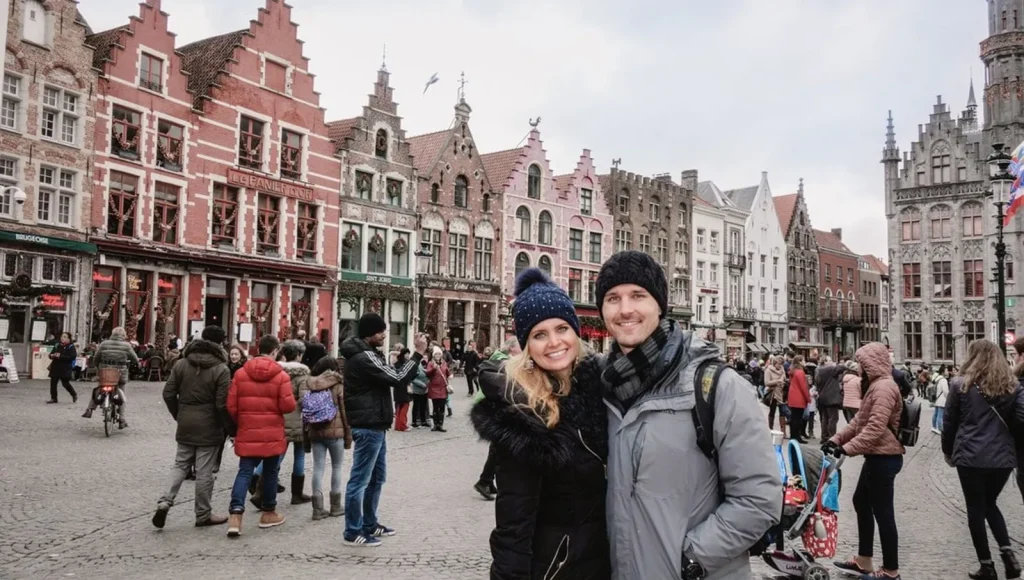
Winter changes Bruges into a calm, cosy town. Days feel short. The air feels cold. Lights glow warmly in shop windows and cafés. December is special because of the Christmas markets, decorations, and soft lighting throughout the old town. The rest of winter feels slower and quieter. Streets stay calm. Hotels become cheaper.
Winter suits travellers who enjoy quiet mornings, warm cafés, museums, and slow evenings. It also works well for budget travellers because prices are much lower.
The Best Month to Visit Bruges
Many travellers try to pick one “perfect” month for Bruges. One month does not feel perfect for everyone. But if one month stands out as the easiest and most balanced, it is May.
May feels gentle in every way. The air feels comfortable for walking. The streets feel lively but not crowded. Cafés have outdoor tables, but you can still find a quiet corner without rushing. Flowers bloom along canals and in gardens. Sunlight feels warm but not heavy. Museums feel calm. Boat rides feel peaceful. You can stop anywhere, sit down, and enjoy the view without feeling crowded.
Hotel prices stay lower than in summer. Lines stay shorter. The whole city feels like it has enough space to breathe.
The Best Days of the Week to Visit Bruges
The day you arrive matters almost as much as the month.
Weekends
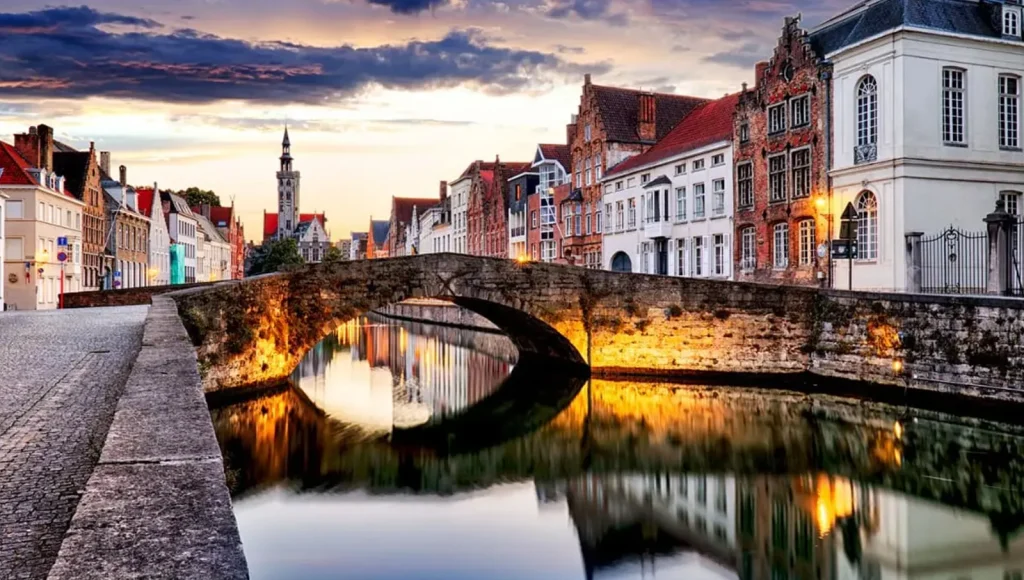
Weekends bring more visitors. Day-trippers arrive from nearby cities. Streets feel busier. Cafés fill faster. Museums get louder.
Midweek
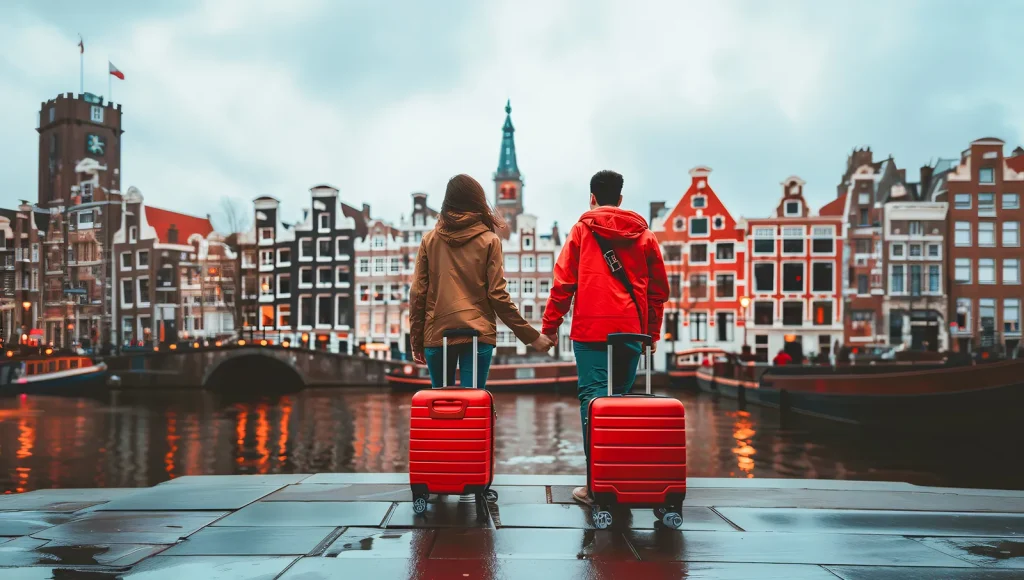
Midweek feels different. From Tuesday to Thursday, Bruges feels calmer. Streets feel easier to walk on. Museums feel quieter. Restaurants feel more relaxed. Canal boat rides are slower and more peaceful. You can hear the water, see reflections in the canals, and enjoy the view without noise.
For travellers who want to enjoy Bruges at a gentle pace, midweek days are always the best choice.
Bruges Travel Tips to Make Your Trip Feel Easy and Happy
Here’s what you need to know.
Walk Everywhere and Let the City Lead You
Bruges is not a city that needs fast movement. It is small, calm, and built for walking. Streets curve softly. Bridges appear suddenly. Little canals hide behind houses. Walking lets you find tiny bakeries, quiet squares, and secret corners that do not show up on maps. Even when you feel “lost,” you are never truly lost here. Every turn feels like part of the plan.
Walking also saves money and time. Most of the main places sit close together. There is no rush. No pressure. Just steady steps, gentle air, and soft city sounds.
Start Mornings Early for a Different City Feel
Bruges in the early morning feels like a different place. Streets are quiet. Shop shutters slowly rise. Church bells echo gently. Canals still look like mirrors. This is the best time for photos, calm walks, and peaceful coffee moments. Sitting by the water with a warm drink in the early hours feels personal and relaxed. The city belongs to you for a little while before the crowds arrive.
Sit by Canals Instead of Rushing Attractions
Bruges is not only about checking famous places off a list. It is also about sitting, watching, and breathing. Pick a canal bench. Sit quietly. Watch boats pass. Listen to footsteps on bridges. Let time slow down. Bruges rewards patience more than speed.
Eat Simple Local Food, Not Just Fancy Dinners
Some of the best meals in Bruges come from small cafés and bakeries, not just large restaurants. Warm waffles, thick soups, soft bread, and slow-cooked meals fill bellies and hearts. Local places feel cosy. Staff talk kindly. Food feels honest. You eat more slowly. You smile more. Simple food often brings the best memories.
Keep a Light Jacket in Your Bag
Bruges’ weather tends to change throughout the day. One moment, the sun feels soft and warm on your face, and a little later, the air turns cooler when clouds move in. Wearing a light jacket makes these small changes easier to manage. You do not have to rush back to your hotel or feel uncomfortable while walking along the canals or sitting outside a café.
A light jacket also becomes your best friend in the evening. When the sun goes down, the air cools quickly, especially near the water. With a coat in your bag, you can keep walking, stay out longer, and enjoy slow dinners, quiet streets, and gentle night views without feeling cold. These quiet evening strolls are also a great opportunity to try some of the best ways to travel with friends, making your trip together more relaxed and memorable.
Choose Small Guesthouses for a Local Feel
Small guesthouses bring a very different kind of stay compared to large hotels. Rooms feel cosy and personal, not rushed or crowded. Mornings start quietly. You might hear doors opening softly, footsteps in the hallway, and the smell of fresh bread drifting through the building.
Hosts often share little local tips that do not appear in guidebooks. They may suggest quiet cafés, calm walking paths, or small shops that locals love. Staying in a guesthouse helps you feel less like a tourist and more like someone who belongs there, even if only for a few days.
Final Thoughts
Bruges is not loud. It does not rush you. However, it gently invites you to slow down, look closely, and feel calm. The best time to visit Bruges depends on your heart. But every season holds beauty. And Bruges, in its quiet way, always welcomes those who walk gently and look closely.
FAQs
Is Bruges good for slow travel?
Yes. Bruges is perfect for slow walks, long cafés visits, and quiet moments by the canals.
Do you need a car in Bruges?
No. The city is small and easy to walk everywhere.
Are shops open every day?
Most shops open daily, but some close earlier in winter and on certain weekdays.
Is Bruges good for photography?
Yes. Soft light, canals, bridges, and old buildings make photos look beautiful in every season.
Can you enjoy Bruges without planning a strict schedule?
Yes. Bruges is made for wandering. You can walk without a map, stop when something feels interesting, and still end up somewhere beautiful.
Are canal boat rides worth it?
Yes. Boat rides give a calm view of the city and help you see old houses, bridges, and gardens from a peaceful angle.
Is Bruges a good place to travel alone for the first time?
Yes. The streets are simple to follow, people are helpful, and the city feels easy to understand even for new travellers.
Can you enjoy Bruges on a small budget?
Yes. You can walk everywhere for free, enjoy simple bakeries, and visit many beautiful spots without spending much.
Does Bruges feel romantic even if you travel alone?
Yes. The soft lights, water views, and old streets feel warm and comforting even without a travel partner.