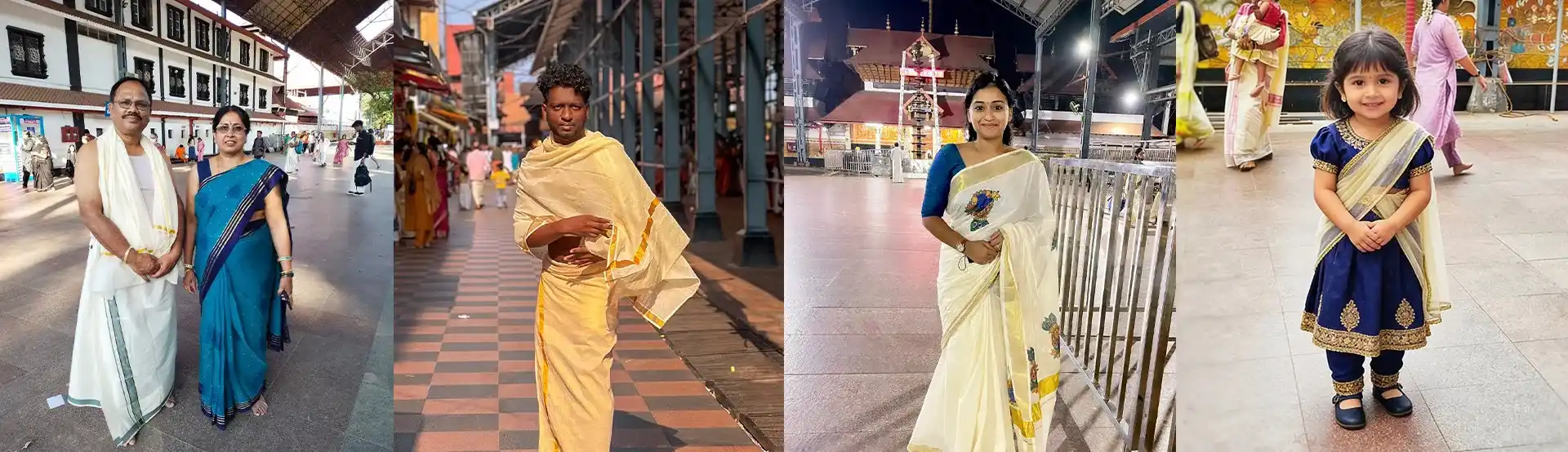
Guruvayur Temple in Kerala is one of the most revered Hindu temples in India, dedicated to Lord Guruvayurappan, a form of Lord Krishna. If you are planning to visit the temple, understanding the Guruvayur Temple dress code is essential because appropriate traditional clothing is required for devotees entering the temple.
Men, women, and children have specific clothing expectations, and visitors who do not follow the dress code may not be allowed to enter. Knowing what to wear before you arrive can help you avoid inconvenience and make your temple visit more comfortable and respectful. This guide explains the Guruvayur Temple dress code for men, women, and children, including what to wear and what clothing to avoid.
Why Is There a Dress Code at Guruvayur Temple?
At first, some people feel confused. They think, “Why does clothing matter so much?” But in temples like Guruvayur, clothing is not just about looks. It is about respect.
The temple follows very old traditions. These traditions are part of Kerala’s culture and spiritual practices. When people enter the temple, they are expected to come with a calm mind and a respectful attitude. Clothing is one way to show that. Wearing traditional clothes helps create a peaceful environment. Everyone looks simple. No one is trying to stand out. This makes the space feel more focused and quiet.
Also, when everyone follows the same style, it creates a sense of unity. It feels like everyone is there for the same purpose: prayer. Another reason is discipline. The temple wants to keep things pure and organised. Rules like these help maintain that feeling.
So the dress code is not meant to trouble visitors. It is there to protect the temple’s spiritual atmosphere.
Guruvayur Temple Dress Code for Men
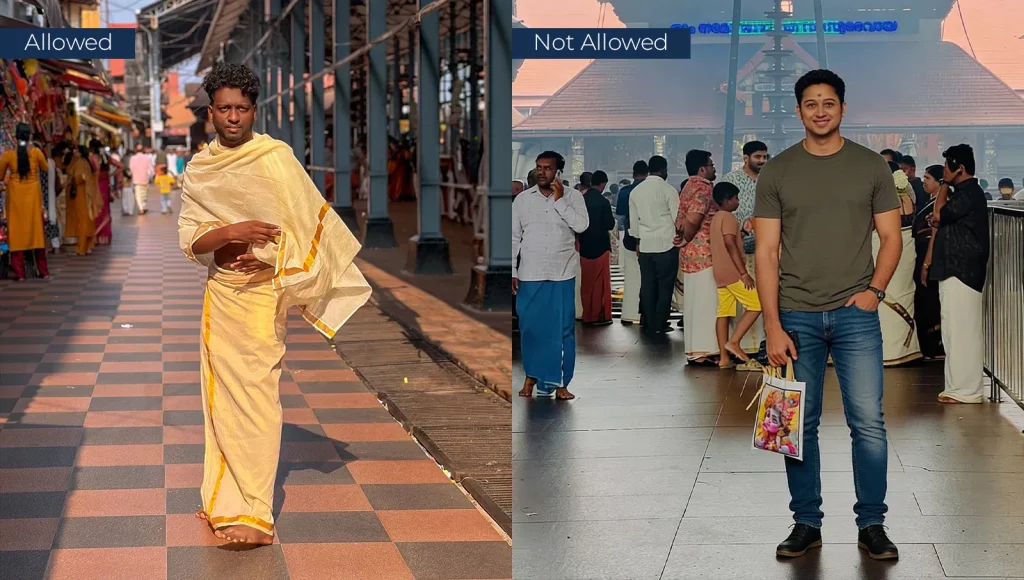
Let’s make this very clear and simple. Men have one main rule. They must wear a dhoti or mundu. A dhoti or mundu is a long piece of cloth wrapped around the waist. It is traditional clothing worn in Kerala. It usually comes in white or cream colour.
What Men Must Wear
- A plain white or cream dhoti (mundu)
- The dhoti should be wrapped properly around the waist
- It should look neat and clean
Upper Body Rule (Very Important)
Men are not allowed to wear shirts inside the temple. All must be removed before entering. This includes:
- T-shirts
- Shirts
- Vests
- Banyans
Men can carry a cloth called an angavastram if they want. An angavastram is a simple cloth used to cover the shoulder or upper body. It is optional, not required.
What Men Cannot Wear
Even if the outfit looks simple, if it is not traditional, it will not be accepted. These are strictly not allowed:
- Jeans
- Pants
- Trousers
- Shorts (for adults)
- Lungi
- Printed dhoti
What’s Allowed and What’s Not For Men
| Allowed | Not Allowed |
| Dhoti / Mundu | Jeans |
| Angavastram (optional) | T-shirts |
| Bare upper body | Shirts |
| Plain traditional wear | Shorts |
| Clean simple clothing | Lungi / printed clothes |
Why Men Cannot Wear Shirts
This rule may feel strange to some people. But it is actually a sign of humility. Humility means showing respect rather than pride. Removing the shirt, it shows that a person is entering the temple in a simple and respectful way. This tradition is followed in many temples in Kerala, not just Guruvayur.
Guruvayur Temple Dress Code for Women
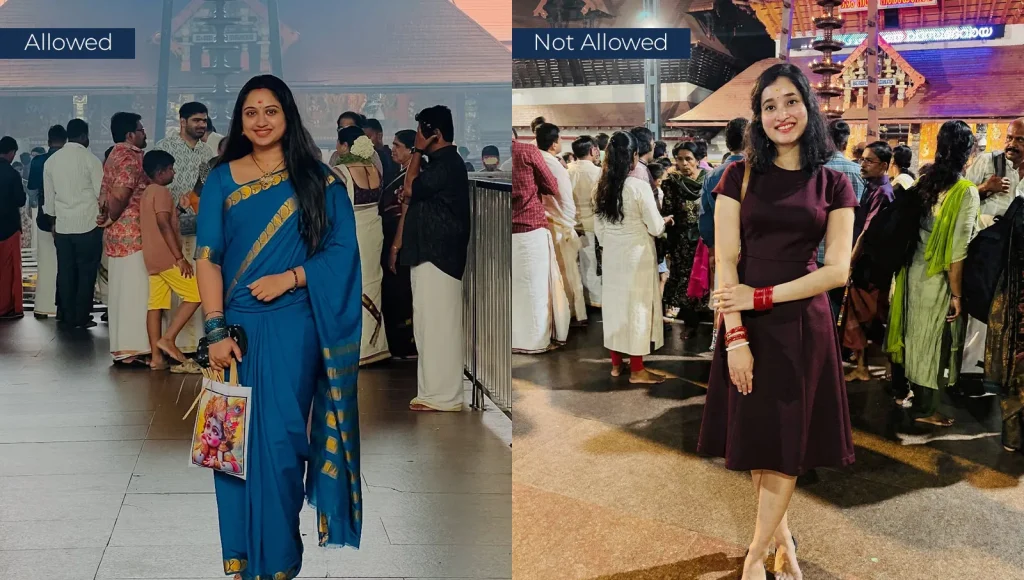
For women, the rules are a bit more flexible compared to men. But still, they must follow traditional clothing. The main idea is simple. Clothes should be modest and traditional.
What Women Can Wear
Women are allowed to wear:
- Saree
- Salwar kameez (churidar)
- Long skirt with blouse
A saree is a long cloth wrapped around the body in a traditional style, and a salwar kameez is a two-piece outfit with a long top and loose pants, usually with a dupatta. A dupatta is a long scarf worn over the shoulders or chest.
Important Tip About Churidars
If wearing a churidar, it should be worn properly. The top should be long enough, and a dupatta should be used. This keeps the outfit modest and appropriate for the temple.
What Women Cannot Wear
Even if the clothes are not revealing, modern outfits are still not accepted. These are not allowed:
- Jeans
- Leggings (without proper covering)
- Shorts
- Short skirts
- Western dresses
What’s Allowed and What’s Not Allowed for Women
| Allowed | Not Allowed |
| Saree | Jeans |
| Salwar kameez | Leggings (alone) |
| Long skirt + blouse | Short dresses |
| Churidar with dupatta | Western outfits |
| Modest traditional wear | Revealing clothes |
Why Modesty Is Important
Modesty means dressing in a simple and respectful way. In temples, the focus is not on fashion. It is on prayer. So clothes should not be flashy or distracting. They should help create a calm and respectful atmosphere.
Dress Code for Children
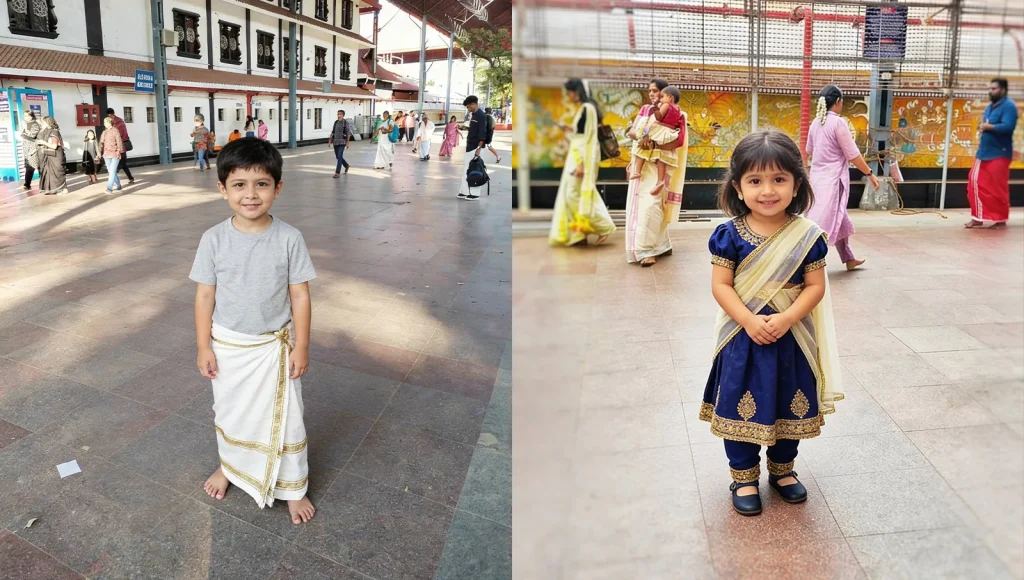
Children have more relaxed rules. But still, their clothing should be simple and respectful.
Dress Code for Boys
- Small dhoti or mundu
- Simple shorts are allowed
- Shirts may be allowed for very young boys, but not always inside inner areas
Dress Code for Girls
- Pavada (traditional skirt) with blouse
- Long frocks
- Churidar
Clothes should be comfortable, modest, and not too flashy.
Special Note for Children
Children below 12 years are given some flexibility. But still, it is better to dress them in traditional clothes to avoid any issues at the entry.
Key Rules and Restrictions for Entry
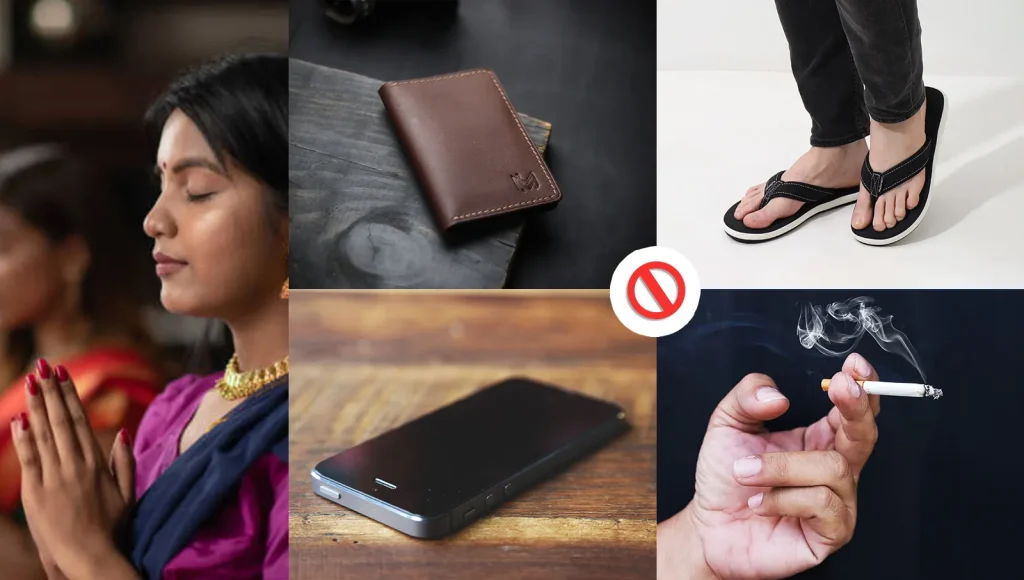
The dress code is not the only thing to remember. There are other important rules for entering the temple. These rules are strictly followed, so it is better to know them before visiting.
Entry is Only for Hindus
This is one of the most important rules. Only people who follow the Hindu religion are allowed inside the temple.
No Leather Items Allowed
Leather items are not allowed inside. These must be left outside. Examples include:
- Leather belts.
- Wallets made from leather.
- Leather bags.
No Electronics Inside
Electronic items are not allowed. There are storage areas outside where these can be kept safely. This includes:
- Mobile phones
- Cameras
- Smart devices
Footwear Must Be Removed
Shoes and slippers must be removed before entering. There are designated areas for storing footwear.
Cleanliness Rule
Visitors are expected to take a bath before coming and wear clean clothes. This is part of preparing yourself before entering a sacred space.
Other Important Don’ts
All these rules help maintain the peaceful environment inside.
- Do not smoke inside the temple.
- Don’t carry alcohol or non-vegetarian food.
- Do not spit or throw waste.
- Do not disrespect temple rituals.
If You Don’t Follow the Dress Code
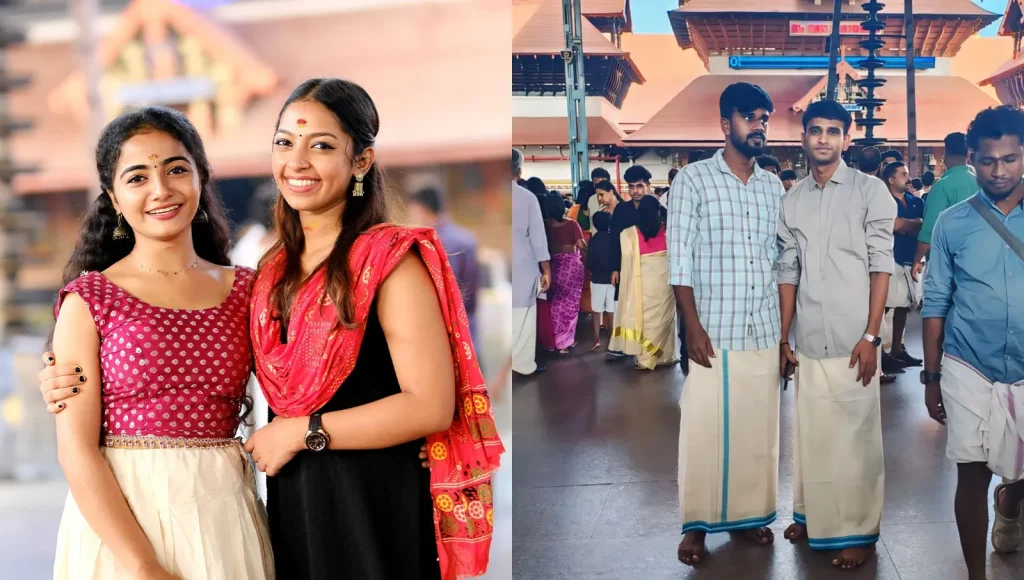
You will not be allowed to enter. There are no exceptions. Even if someone has travelled from far away, the rules still apply. Temple staff are strict about this. They will check clothing before allowing entry. So it is always better to come prepared.
What to Do If You Don’t Have the Right Clothes
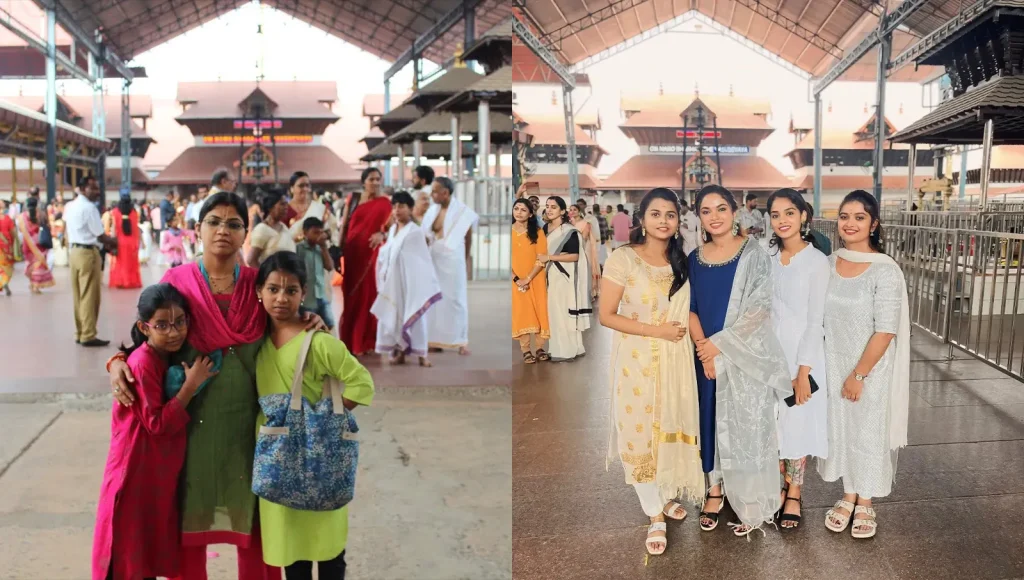
This situation happens a lot. People reach the temple and suddenly realise their outfit is not allowed. It can feel stressful at first. But honestly, there is no need to panic. The area around the Guruvayur Temple is already prepared for this. Everything is set up to help visitors fix their clothing quickly and easily. So even if someone forgets, the visit can still happen without any major problem.
Don’t Panic, This Happens to Many People
First-time visitors face this all the time. Tourists, especially, may not know the exact rules before arriving. Some people think their clothes are “close enough” to traditional. But then they find out they are not allowed inside. This can feel frustrating in the moment. But the good part is, there are simple solutions right outside the temple.
No need to cancel plans. No need to feel embarrassed. Just take a few steps, and everything will be sorted.
Renting Traditional Clothes Near the Temple
Right outside the temple, there are many small shops and stalls. These shops provide traditional clothes for rent. The process is very quick and simple. You can find:
- Dhoti or mundu for men.
- Saree or traditional wear for women.
- Angavastram for men.
You just choose the size, pay a small amount, and take the clothing. Most shops are used to handling visitors, so they work fast. Within minutes, you can be ready to enter. This is one of the easiest solutions if someone arrives unprepared.
Buying Clothes Instead of Renting
Some people prefer buying instead of renting. This can actually be a better option in many cases. Here’s why:
- The clothes are new and fresh
- There is no worry about hygiene
- You can keep them for future temple visits
- They often feel more comfortable
Prices are usually reasonable. So it does not feel like a big expense. If someone plans to visit temples again in the future, buying makes even more sense.
Changing Rooms Near the Temple
After renting or buying clothes, the next step is changing. Luckily, there are proper changing facilities near the temple entrance. These are designed for visitors who need to switch into traditional attire. Everything is arranged to reduce stress and confusion.
The process becomes very smooth:
- Get the clothes
- Go to the changing area
- Change comfortably
- Enter the temple
Practical Tips That Will Actually Help Your Visit
Some tips sound obvious, but they make a big difference. These are small things, but they can save time, effort, and frustration.
Plan Your Outfit Before You Travel
This is the easiest and most helpful step. Before leaving for the temple, just pack the correct clothes. Men can carry a dhoti. Women can carry a saree or a salwar kameez. This avoids last-minute stress completely. It also saves time, especially when the temple is crowded.
Choose Comfortable Traditional Clothing
Kerala weather can feel hot and humid. Humid means the air feels heavy and slightly sticky. So it is better to choose clothes that are:
- Light
- Breathable
- Comfortable
This helps during long queues and darshan time. If clothes feel too tight or heavy, it can become uncomfortable very quickly.
Keep Extra Time for Changing
If someone is not already dressed properly, extra time will be needed. This includes:
- Finding a shop
- Renting or buying clothes
- Changing
- Storing personal items
So it is always smart to arrive early. This makes everything relaxed and smooth.
Avoid Carrying Too Many Things
Since many items are not allowed inside, it is better to carry fewer. Bring only what is needed. This saves time at entry points and avoids unnecessary delays. It also makes movement easier inside the temple.
Follow the Rules Without Arguing
This is very important. Temple staff follow the rules strictly. They are not allowed to make exceptions. Even small things can lead to entry being denied. So instead of arguing, it is better to adjust quickly.
Common Mistakes People Make (Avoid These)

Many people make the same mistakes again and again. Knowing them early can help avoid problems later.
Wearing “Almost Traditional” Clothes
Some people think “almost traditional” is enough. For example:
- Leggings with a short top
- Casual ethnic-style outfits
- Short kurtas
These are not accepted. The temple expects proper traditional clothing, not something close to it.
Forgetting the Upper Body Rule for Men
This is one of the most common mistakes. Men wear a dhoti but forget to remove their shirt. This is not allowed. They will be stopped at the entrance and asked to remove it. So it is better to be mentally prepared for this rule.
Assuming Rules Might Be Relaxed
Some people think rules may be flexible during less crowded times. That is not true. The dress code is always enforced. It does not matter if the temple is busy or empty. So it is always better to follow everything properly.
Final Thoughts
A lot of people think this visit is just about reaching the temple, standing in line, and getting darshan. But it’s more than that. The way you arrive matters just as much as the visit itself.
The dress code is not just a rule someone made randomly. It’s a way of slowing things down. It quietly shifts your mindset before you even step inside. When you change into traditional clothing, your body starts to feel different, too.
There is also something powerful about everyone following the same simplicity. No one is trying to stand out. No one is trying to impress. It removes distraction and brings focus back to what actually matters. That’s where the experience changes.
Instead of rushing through the visit, it feels more intentional. More grounded. More connected. Even small things like wearing a dhoti or a saree start to feel meaningful, not just required.
So if you’re planning to visit Guruvayur Temple, don’t treat the dress code like a barrier.
Treat it like preparation, because once you step inside, that preparation makes the experience feel complete. So don’t forget to share your experience.
FAQs
No, this is not allowed. Some people try to wear pants underneath and wrap a dhoti on top. This may seem like a smart shortcut, but temple authorities usually do not accept this. The dhoti should be worn properly, directly as traditional wear. It should not be layered over modern clothing.
This is actually a common concern, especially for first-time visitors. If the dhoti or saree feels loose, you can adjust it before entering. Many shops and even people around can help guide you on how to wear it properly. It is always better to secure it well before going inside, so you don’t feel uncomfortable during darshan.
Yes, but it is not always preferred. Most people wear white or light-coloured clothing, especially men wearing mundus. This is part of tradition and also helps maintain a simple and uniform look. Dark colours are not strictly banned, but plain, simple clothing is always a safer choice.
There is no strict rule against makeup or jewellery. But heavy styling is usually avoided. The temple’s environment is simple and calm. So most people naturally choose minimal makeup and light jewellery. This helps maintain the overall peaceful atmosphere.
It is not recommended. One of the expectations before entering the temple is cleanliness. Clean clothes are freshly washed and neat. Wearing used or unclean clothes may not feel appropriate for a sacred space.
This is understandable, especially for visitors unfamiliar with this tradition. In that case, men can use an angavastram. It is a cloth that can be placed over the shoulder or upper body. While it does not fully replace a shirt, it offers some comfort.
No. Even if someone is running late, the dress code still applies. There are no shortcuts or exceptions based on timing. It is always better to plan ahead and arrive with enough time to prepare properly.
They check properly. It is not just a quick glance. If something does not follow the rules, they will stop you.
Yes, but it should be done respectfully and quickly. There are often areas near the entrance where people help each other adjust dhotis or sarees. This is common and completely normal.
Surprisingly, yes. Many people say the experience feels different when they follow everything properly. There is less distraction. More focus. A stronger sense of calm. It may seem like a small thing, but it affects how the entire visit feels.