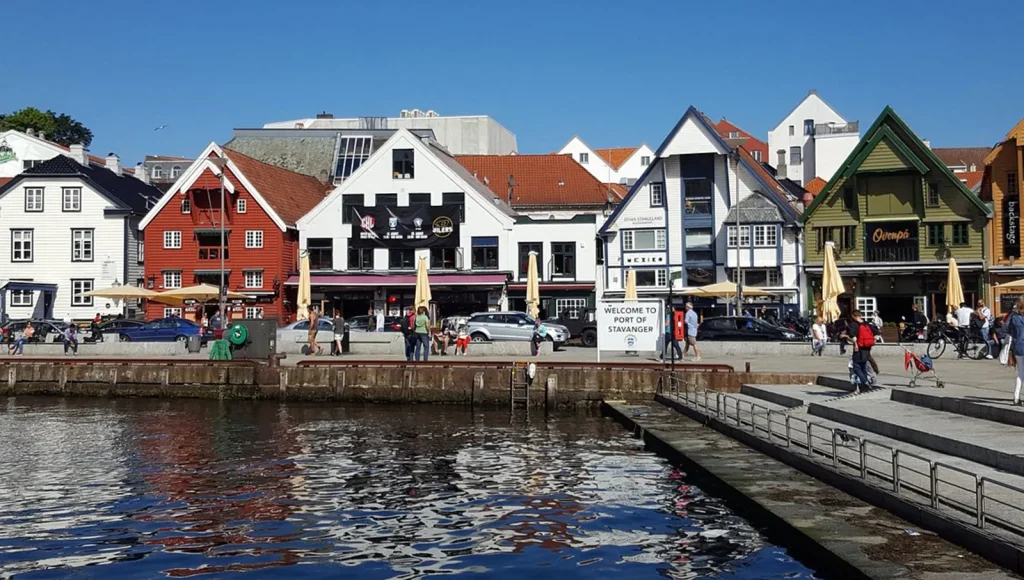
Stavanger is a small coastal city that feels friendly from the moment you arrive. It sits on Norway’s southwest edge, close to the sea, and everything feels calm but full of life. Streets are easy to walk on. Signs are clear. The city never feels confusing or rushed. What makes Stavanger special is how many different things fit into one place. Old wooden houses sit just minutes away from modern cafes.
Museums here don’t feel stiff or boring. They tell real stories in simple ways, so even people who don’t love museums usually enjoy them. Two to three days works really well for most visitors. That gives enough time to walk the city, visit the old town, enjoy local food, and still fit in a fjord cruise or nearby nature. Even short visits feel complete because the city is compact, gentle, and easy to explore without stress.
City Exploration and Culture
If you’re a big fan of new culture, this is your jam!
Gamle Stavanger (Old Town)
Gamle Stavanger is the most photographed part of the city, and for good reason. This area is filled with white wooden houses from the 18th and 19th centuries, narrow cobbled lanes, and small flower-filled gardens. It feels quiet and lived-in, not staged. Walking here feels slow in the best way. You hear footsteps, birds, and the wind, not traffic.
Many houses are still private homes, so it’s important to be respectful. Keep voices low, avoid looking into windows, and treat it like a neighbourhood rather than an open-air museum.
Stavanger Cathedral
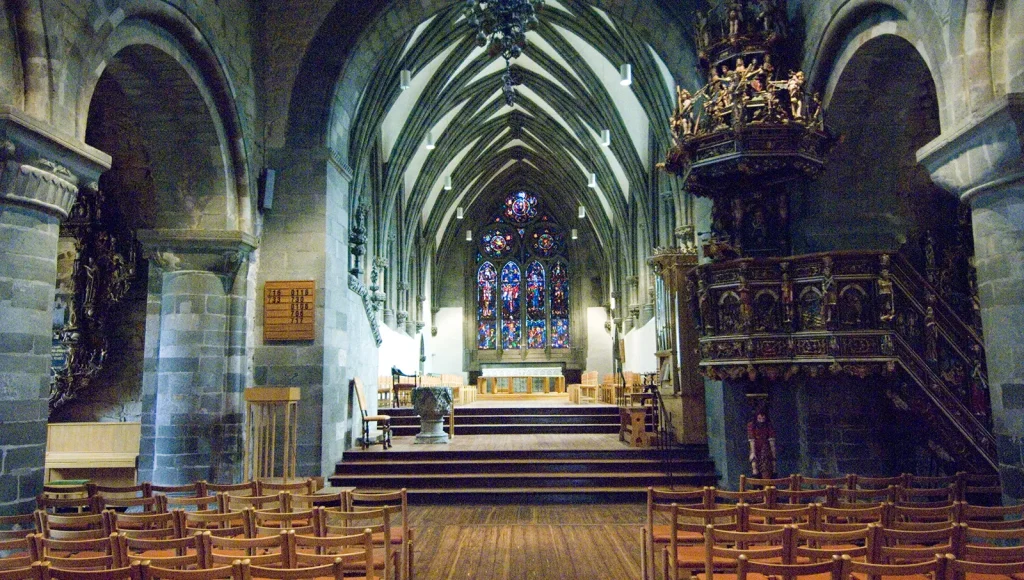
Stavanger Cathedral sits close to the harbour and is one of the oldest cathedrals in Norway. The building is simple and sturdy, with a calm atmosphere inside. It’s a good place to pause if the city feels busy or if the weather turns grey. You don’t need much time here. Even a short visit gives a sense of the city’s long history and offers a quiet moment before heading back outside.
Fargegaten (The Colourful Street)
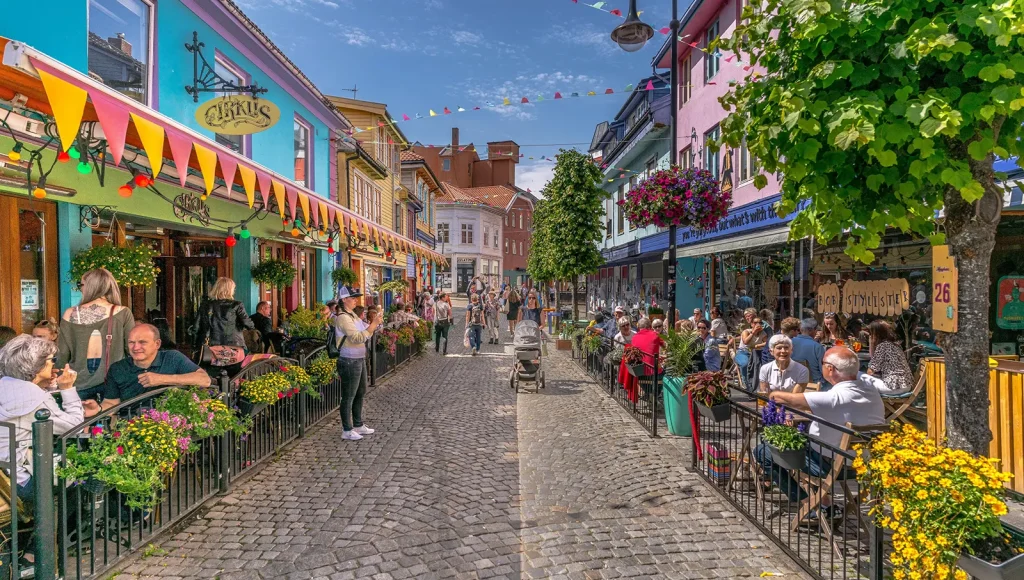
Fargegaten is Stavanger’s most playful street. Brightly painted buildings line both sides, filled with cafes, small bars, and independent shops. During the day, it’s relaxed and cheerful, perfect for coffee and browsing. In the evening, it becomes more social, with locals meeting friends and sitting outside when the weather allows, reflecting some of the best ways to travel with friends and enjoy shared moments together. It’s not a long street, but it’s worth visiting more than once since the mood changes between day and night.
Norwegian Petroleum Museum

Norwegian Petroleum Museum is one of the strongest museums in the city and a great option if the weather isn’t ideal. It explains how oil changed Norway, Stavanger included, through hands-on exhibits, videos, and personal stories. What makes it work is how human it feels. It doesn’t just show machines and dates. It talks about workers, families, risks, and change. Even visitors with no interest in oil usually leave impressed.
IDDIS: Printing and Canning Museums

IDDIS focuses on everyday working life in Old Stavanger. The museum connects two industries that shaped the city: printing and fish canning. Inside, you’ll see old machines, colourful sardine labels, and tools used by ordinary workers. It may sound unusual, but the displays are clear and engaging. You get a real sense of how people lived and worked, which adds depth to everything you see outside in the city.
Street Art Walk

Stavanger has a strong street art scene, spread across the city centre. Some murals cover entire walls. Others are small and easy to miss, tucked into corners or side streets. There’s no fixed route needed. The best way to experience it is to wander slowly and stay curious. You’ll often stumble across art when you least expect it, which makes it feel personal rather than planned.
Vågen Harbour
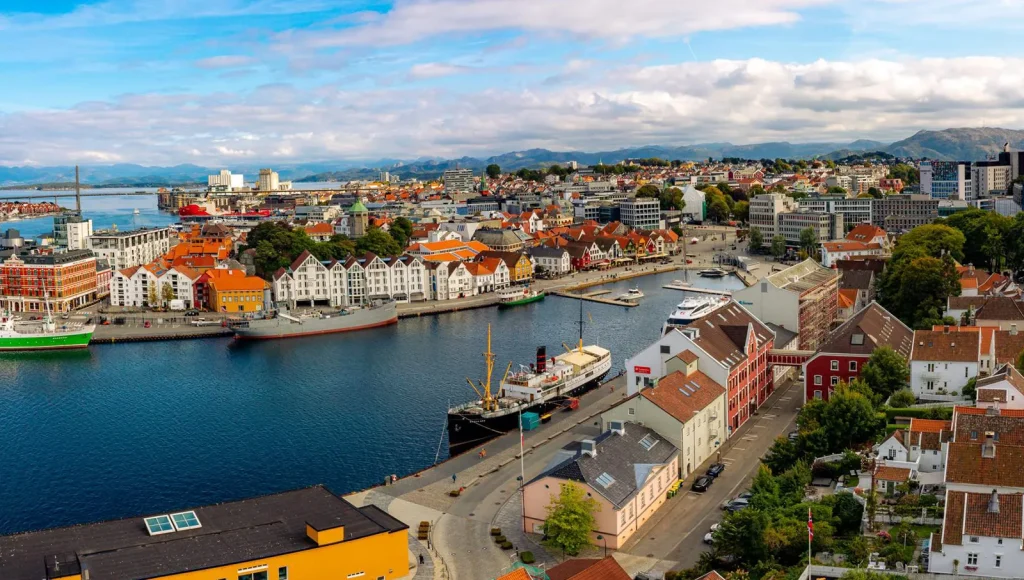
Vågen Harbour is where the city naturally slows down. Boats come and go, cafes line the water, and people sit watching the day pass. It’s a good spot for lunch, coffee, or an evening walk when the light softens. Many main sights sit close to the harbour, so you’ll likely pass through it several times without trying.
Sverd i fjell (Swords in Rock)
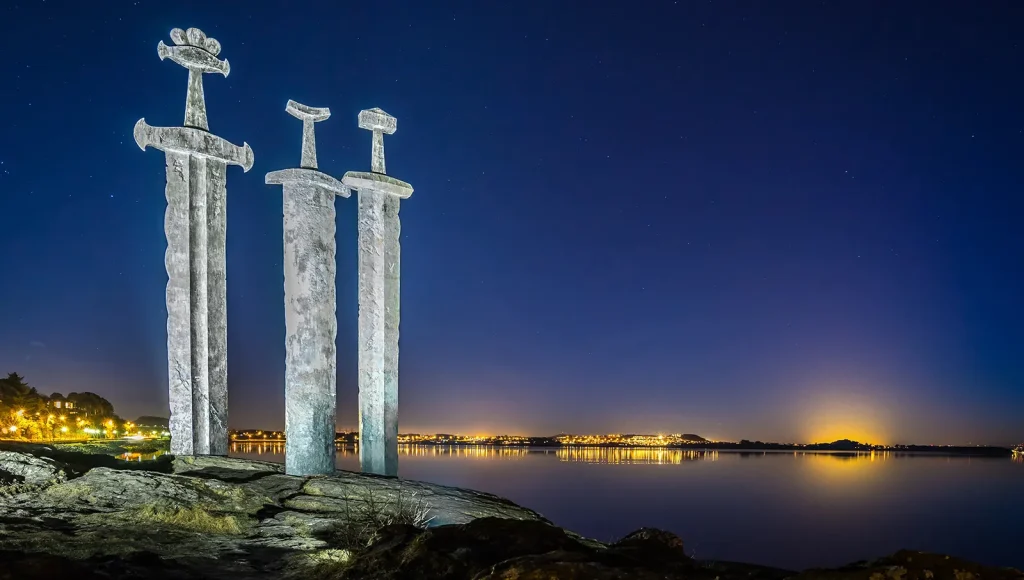
Sverd i fjell is located just outside the city centre and shows three giant bronze swords set into rock by the water. The monument marks the unification of Norway and has strong historical meaning. It’s also a peaceful place to walk along the shoreline. Many people visit for photos, then stay longer to enjoy the open space and quiet views across the fjord.
Nature and Outdoor Adventures
Do you love nature and the outdoors? So does Stavanger, Norway!
Lysefjord Cruise
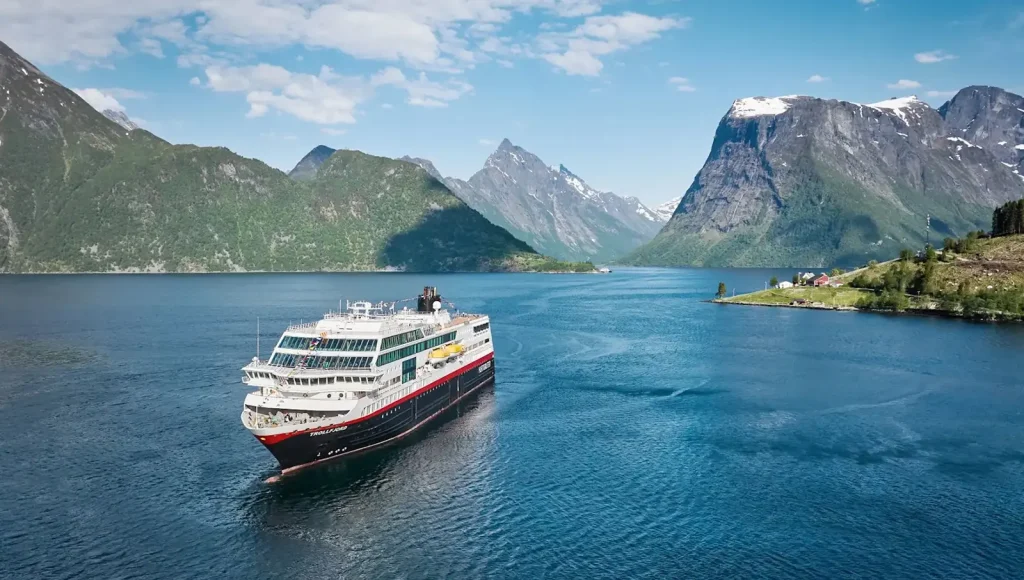
If hiking feels like too much, a Lysefjord cruise is the easiest way to see Norway’s famous nature. You sit comfortably on a boat while tall cliffs rise on both sides. Waterfalls drop straight into the fjord, and the views feel big and quiet. One special moment is seeing Preikestolen from below. From the water, the cliff looks even higher and more dramatic. The cruise is calm, slow, and good for all ages.
Preikestolen (Pulpit Rock)
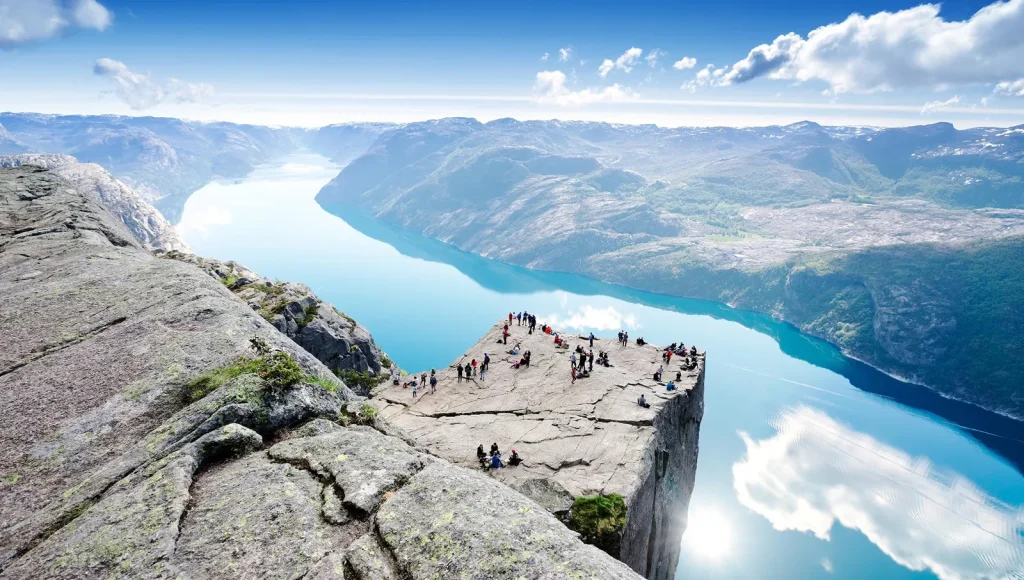
Preikestolen is the most famous hike near Stavanger. The walk takes about 4 to 5 hours in total, including breaks. The path is well marked, but it goes uphill in parts, so it does take energy. At the top, you stand on a flat rock looking straight down into the fjord. There are no railings, which makes the view feel intense but unforgettable.
Just start early in the morning to avoid crowds and wear proper hiking shoes, as rocks can be slippery. Additionally, go on a clear day so you can actually see the view
Kjeragbolten

Kjeragbolten is for confident hikers only. This hike is long, steep, and involves chains in some areas. It usually takes most of the day. At the top is a large rock stuck between two cliffs. People step onto it for photos, but it’s very high and not for everyone. If heights make you nervous, it’s okay to skip this. Only attempt this hike in good weather and treat it as a full-day plan, not something rushed.
Flor & Fjære

Flor & Fjære is a peaceful island garden reachable by boat. It feels surprising because it’s full of flowers, palm-like plants, and carefully designed paths. You usually walk through the gardens with a guide and then eat a meal on the island. It’s calm, colourful, and very different from rocky fjords and hikes.
Food and Drink
Here’s what you can enjoy, you cutie foodie!
Try a Kanelsnurr (Norwegian cinnamon bun)

A kanelsnurr is Norway’s version of a cinnamon bun. It is soft, sweet, and smells amazing. This is one food almost everyone likes, even picky eaters. You will see it in many cafes around Stavanger. The best way to enjoy it is simple. Buy one with a coffee and sit near the harbour or somewhere along Fargegaten. Take your time. Watch people walk past. This small moment feels very local and very calm.
Seafood by the Water
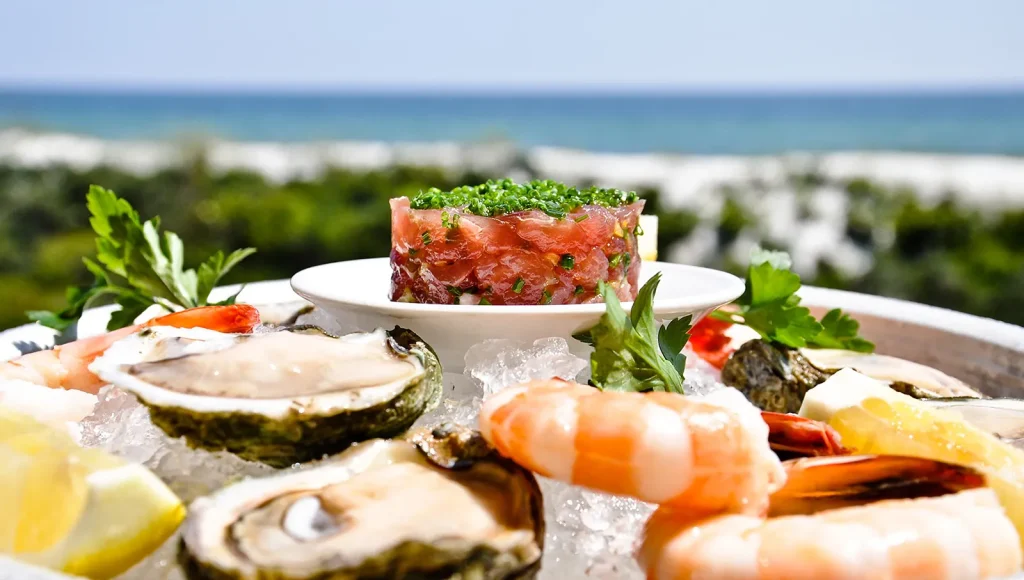
Stavanger sits right by the sea, so seafood is a big part of local eating. Many restaurants near the harbour serve fresh fish that is cooked in a simple way. Simple means not heavy, not covered in strong sauces, and easy to enjoy.
Fish soup is a popular choice. It is creamy, warm, and filling without feeling heavy. Grilled fish and seafood plates are also common. Even if you are not a big seafood fan, the flavours here are usually mild and clean. Moreover, eating by the water adds to the experience.
Eat around Pedersgata and Fargegaten

Pedersgata is one of the best streets for food in Stavanger. It has many different options, so it works well if you are travelling with others who like different things. You can find casual meals, sit-down dinners, and places that feel more modern.
Fargegaten feels more social. It has cafes, bars, and small places for drinks and light food. It is a good area for evenings, especially if you want to sit, talk, and enjoy the atmosphere rather than rush through a meal.
Tips for Your Stavanger, Norway Getaway
If you want a calm getaway, keep these tips in mind.
Getting Around
Stavanger is easy to walk in. Most main sights sit close together, so you can see a lot without transport. Comfortable shoes help because you will walk more than you expect.
For buses, download the Kolumbus app before you go. You need it to buy tickets, check routes, and travel smoothly. Buses do not take cash, and not every stop has a ticket machine, so the app saves stress. It also has English, which makes things simple.
If you like cycling, Stavanger is bike-friendly, and some hotels even lend bikes for free.
Best Time to Visit
Summer is the easiest time to visit. Days are long, hiking trails are open, and boat trips run often. This is the best season for Lysefjord cruises and hikes, such as Preikestolen. Spring and early autumn can also be nice, with fewer people and softer light. Just remember that the weather can change quickly. A sunny morning can turn windy or wet by afternoon.
Winter is quiet and calm. The city still feels cosy, but outdoor plans depend a lot on the weather and daylight. Some hikes may not be safe, so always check conditions.
Book Popular Plans Early
Some experiences sell out fast, especially in summer. Fjord cruises, transport to Preikestolen, and Flor & Fjære are the main ones to plan ahead. Booking early gives you better time options and less stress. Waiting until the last minute can mean higher prices or no availability at all.
Dress for Changing Weather

The weather in Stavanger can shift quickly. Bring layers instead of one heavy jacket. A light waterproof jacket is very useful, even in summer. Wind can feel cold near the water, so something warm helps.
Food Timings and Planning

Many restaurants get busy in the evening, especially on weekends. If you have a place in mind, try to eat a bit earlier or book ahead. Cafes are relaxed during the day, so that is a good time for slower meals.
Slow Down and Enjoy Small Moments
Stavanger is not about rushing. Some of the best moments are simple ones, like sitting by the harbour with coffee, walking through Gamle Stavanger, or watching the light change over the water. Give yourself space to pause and enjoy the city.
Conclusion
Stavanger feels small, but it always has something going on. One day, you can walk through Old Town and colourful streets, stop for coffee, and watch the harbour life. The next day can be all about fjords, cliffs, or a long walk by the sea. If the weather changes, the city still works. Museums are interesting without feeling heavy, and cafes feel warm and relaxed. Nothing feels like a last-minute backup.
Stavanger suits both slow travellers and active ones. You can keep things simple or fill your days with hikes and boat trips. Love sharing your travel experiences? Write for Us and let others benefit from your tips.
FAQs
Is Stavanger a good place to visit without hiking?
Yes. You can enjoy Old Town, colourful streets, museums, cafes, harbour walks, and a Lysefjord cruise without doing any hikes.
Does Stavanger feel crowded like other popular Norwegian cities?
Not usually. Even in summer, it feels calmer than places like Bergen or Oslo, especially in the mornings and evenings.
Is Stavanger expensive for food?
Prices are high compared to many countries, but bakeries, cafes, and casual spots help keep costs manageable. A cinnamon bun and coffee are an easy, budget-friendly treat.