Backpacking is not like a normal holiday. It is not about packing cute outfits, filling a suitcase, and hoping the hotel has everything ready. Backpacking is about carrying your life on your back. Everything you bring stays with you all day. It moves with you on buses, trains, boats, stairs, dirt roads, and long walks. As a result, what you pack changes your entire trip.
Some people overpack because they fear forgetting something. Some people underpack to stay light. Most people only learn what really matters after their first long trip. After a while, every traveller learns the same lesson. The best bag is not the fullest bag. The best bag is the one that feels easy to carry and easy to live with.
This guide is made for long getaways. Each section explains what to bring, what to skip, and why each matters.
Clothing Essentials
Before anything else goes into your bag, clothing comes first. A smart clothing setup lets you mix pieces, rewear them, and wash them easily. An improper setup of your clothing makes your bag heavy, messy, and inconvenient to use.
T-Shirts, Tops, and Light Shirts
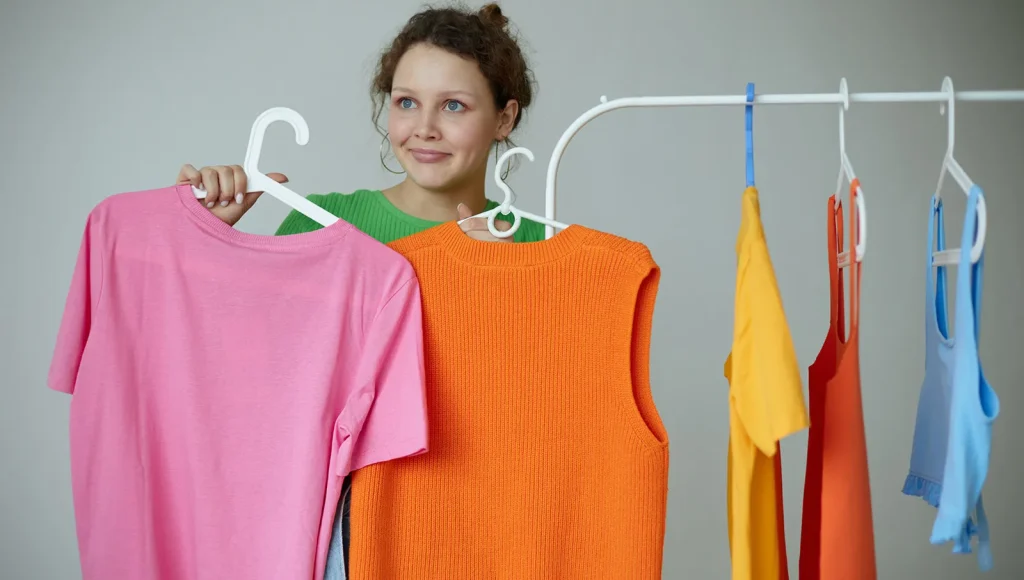
These are your everyday clothes. You will wear them more than any other item. Choose soft, light fabrics that dry fast and do not feel heavy on your skin. In hot places, clothes get sweaty quickly. Having enough tops lets you rotate outfits and wash less often, which saves time and energy.
Shorts, Skirts, and Bottoms

Bottoms take up more space and weigh more, so they require careful planning. Think about the places you will visit. Warm areas need more shorts or skirts. Try to choose items that match many tops so you can create different outfits without packing too many clothes. Stretchy and breathable fabric works best. Jeans are usually too heavy and take a long time to dry, so lighter travel pants or soft cotton trousers are easier to live with on the road.
Underwear and Socks
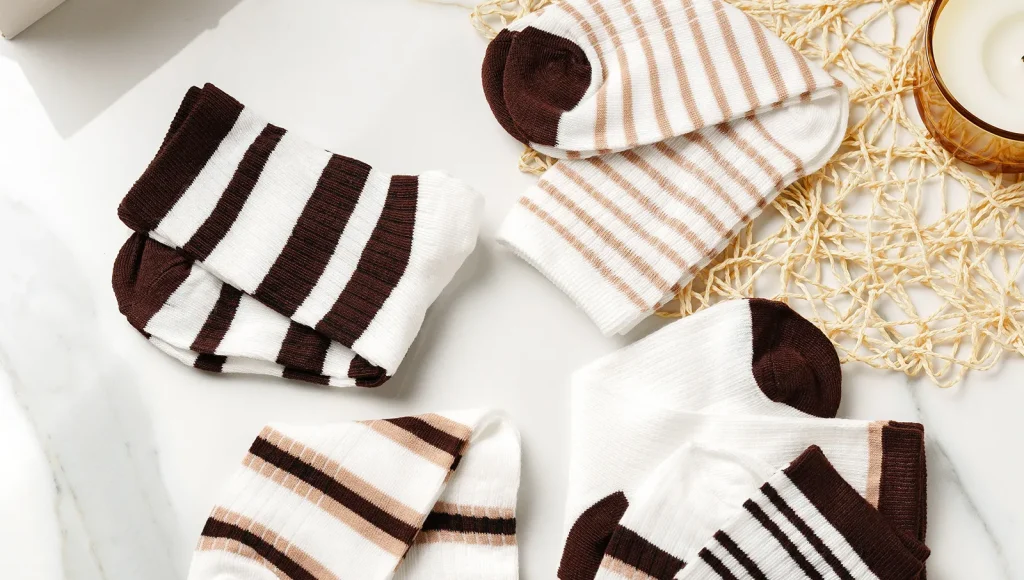
Underwear and socks are small, but they matter a lot. Clean underwear keeps your skin healthy. Clean socks help prevent blisters and soreness. Many backpackers choose quick-dry fabric so washing becomes easy and drying happens overnight. If you plan to wear flip flops often, you will need fewer socks. If you plan to walk a lot, pack extra pairs. It is better to carry a few more pairs than to run out when you cannot wash easily.
Swimwear
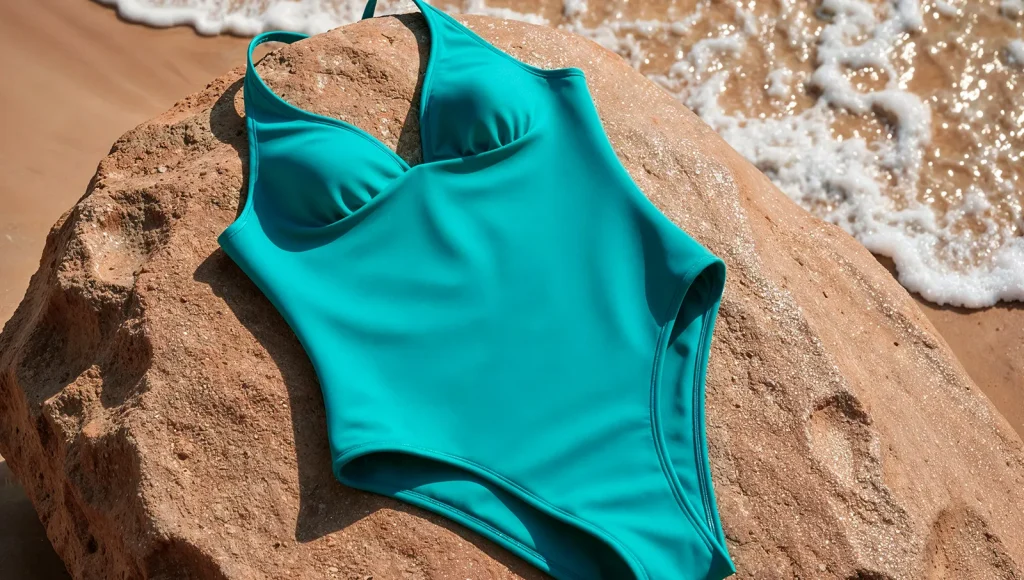
Hostels often have pools. Some places have lakes, rivers, or waterfalls. Carrying swimwear lets you enjoy these moments without stress. It is advisable to pack two sets. One can dry while the other is ready to wear. This keeps your day moving smoothly, without waiting for wet clothes to dry.
Travel Towel
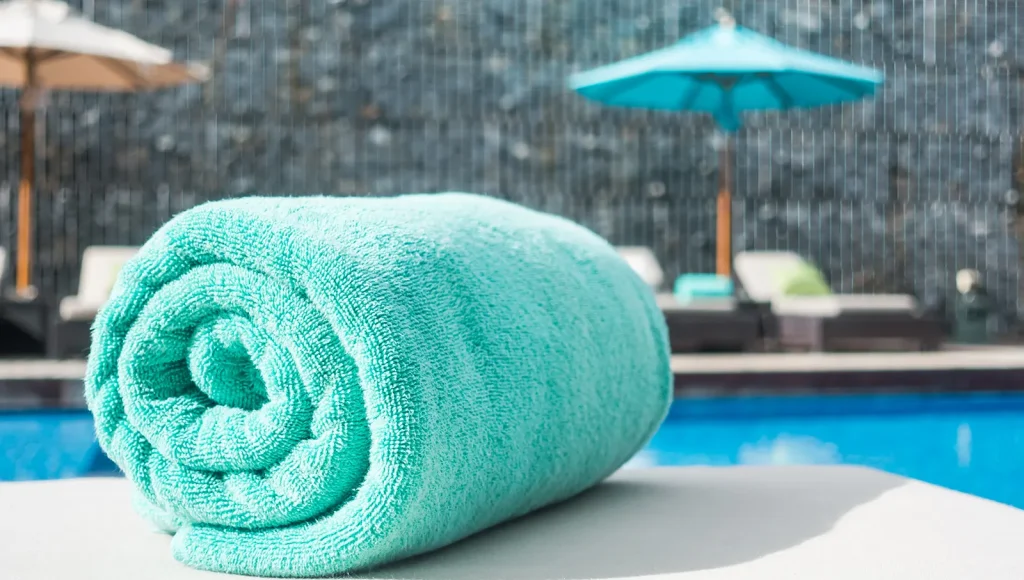
A travel towel differs from a standard towel. It folds down to a compact size, feels light in your bag, and dries much faster than thick cotton towels. This makes it perfect for backpacking. Many hostels provide towels, but not all of them do. Having your own towel means you are always prepared. It also helps when you stay at beach resorts, lakeside properties, or budget accommodations.
Sweaters and Warm Layers
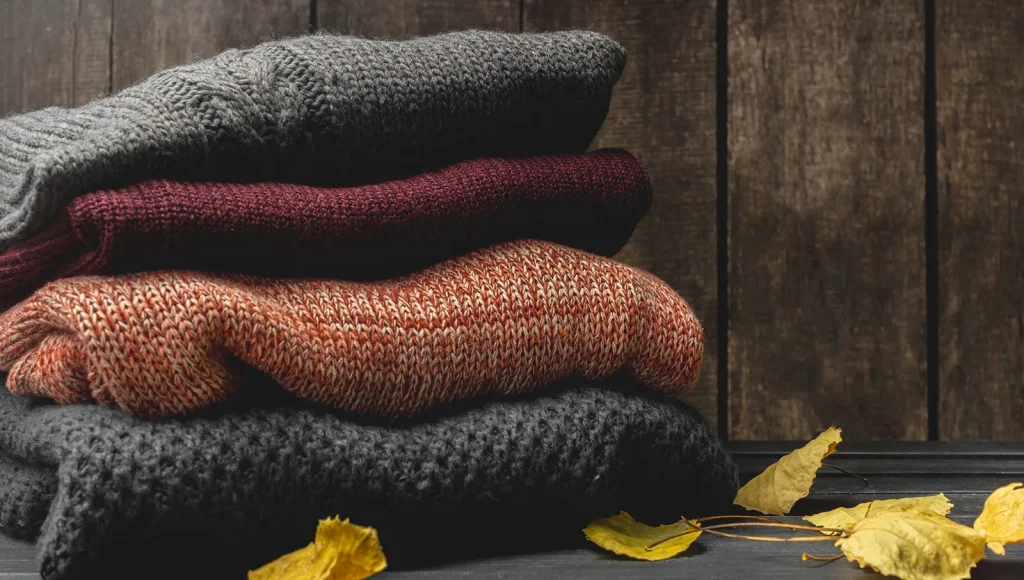
Even in warm countries, nights can feel cool. Buses and planes are often cold. A light sweater or jumper keeps your body comfortable without adding much weight. If you are travelling to colder places, you may need thicker layers. But for warm routes, one light layer is usually enough. Choose something soft, foldable, and easy to pack.
Travel Trousers and Walking Pants
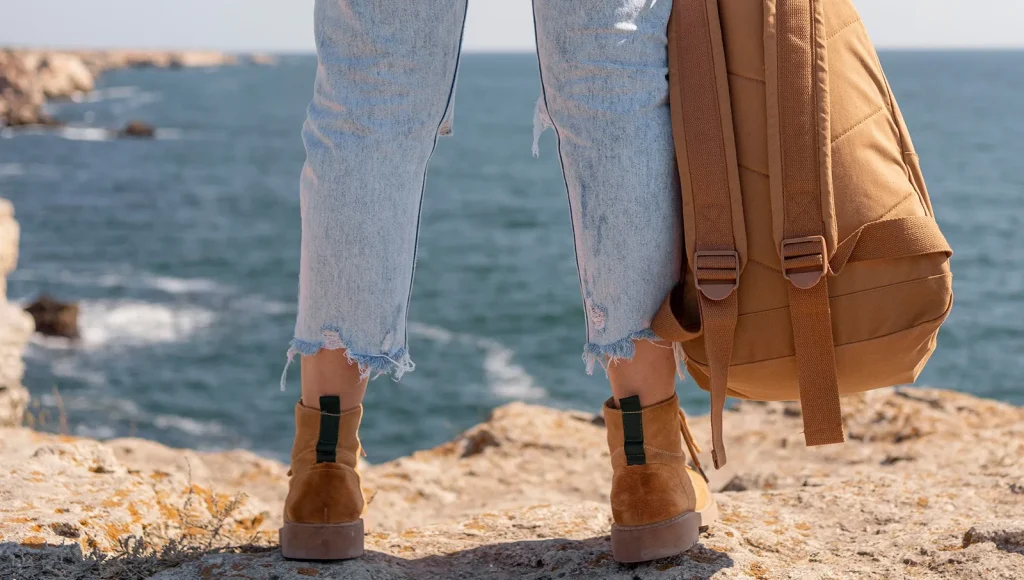
Walking pants are one of the most important items in your bag. You will walk a lot. You will sit on buses, trains, and steps. Comfortable pants make all of this easier. Choose pants that stretch, breathe, and have zip pockets. Zip pockets help keep your phone, money, and passport safer when you move through busy areas.
Flip Flops and Comfortable Walking Shoes
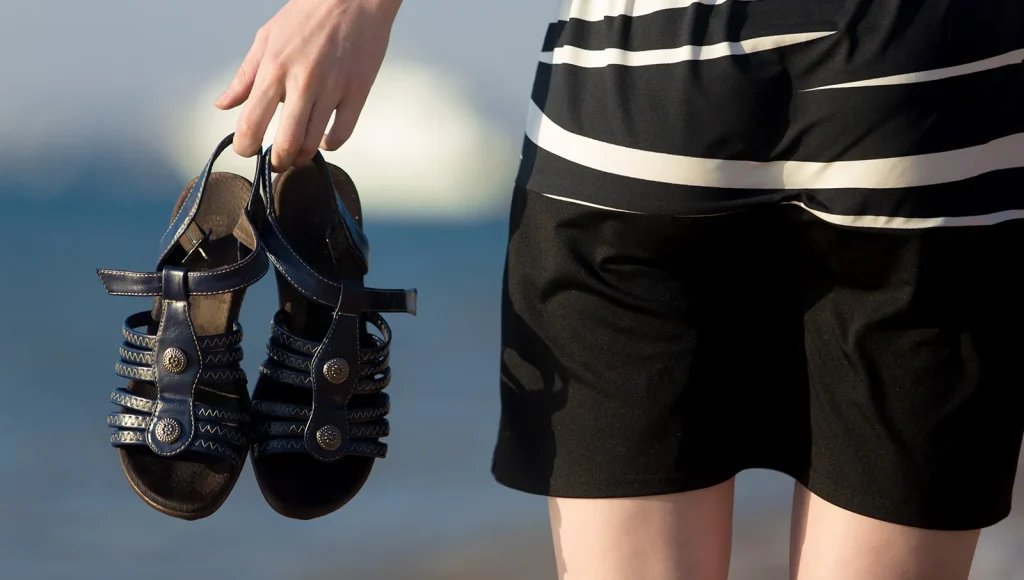
Flip-flops are simple yet highly useful. They are perfect for showers, hostel floors, beaches, and short walks. They also give your main shoes time to rest and dry. Your main shoes are one of the most important items you will bring. They should feel good for long walks, support your feet, and not cause pain.
Sunglasses and Hat
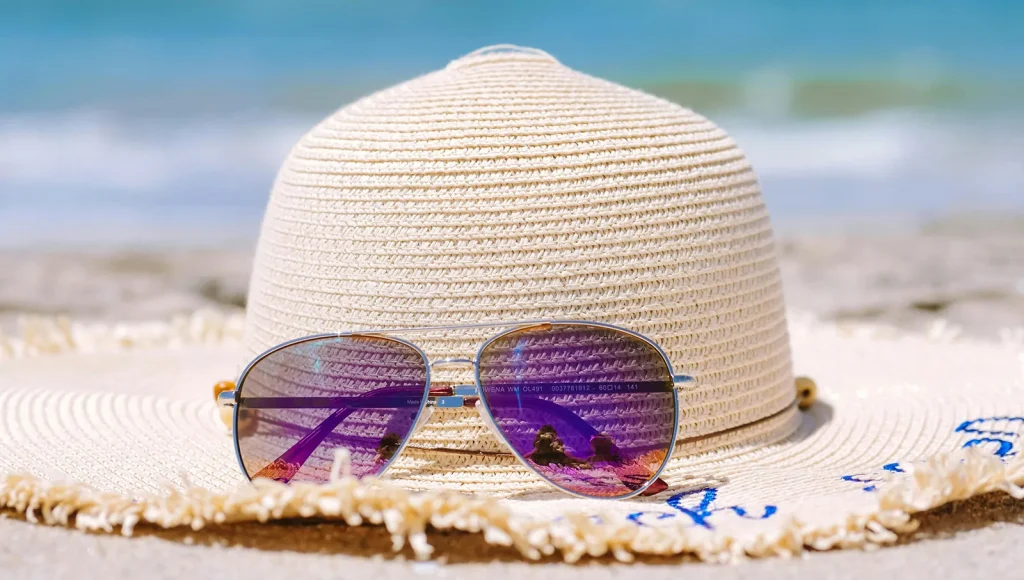
The sun can feel harsh in many countries. Sunglasses protect your eyes. A hat protects your head and face. Both help prevent headaches, sunburn, and tiredness.
Lightweight Rain Jacket
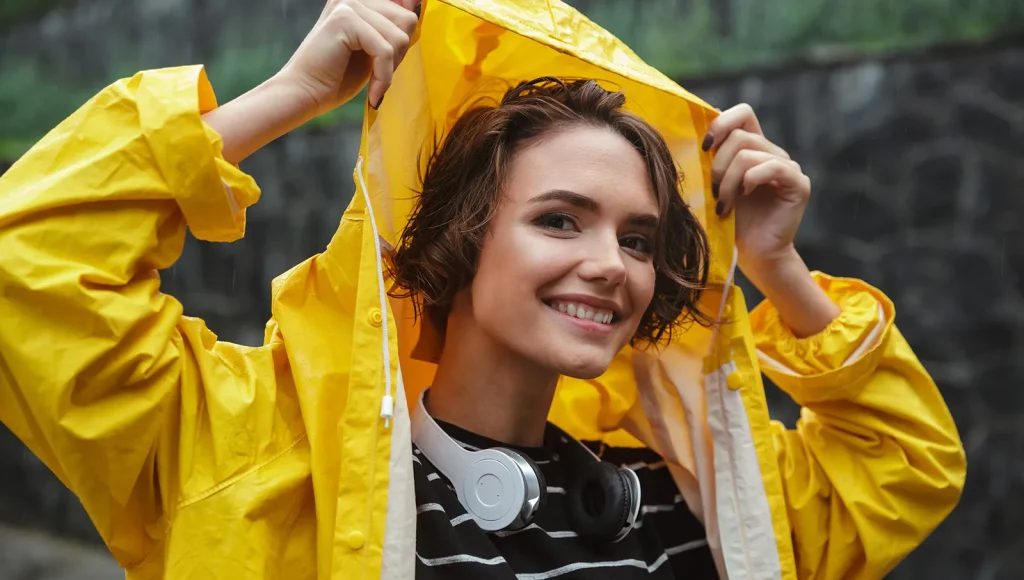
The weather changes quickly in many places. A light rain jacket keeps your clothes dry and your body warm. It folds small and is easy to grab when clouds suddenly appear. Even in dry countries, rain can surprise you. Having a jacket saves you from walking around soaked and uncomfortable.
Toiletries
Toiletries appear small, but they add weight quickly. Bottles, liquids, and containers pile up before you even notice. Smart backpackers keep toiletries light, simple, and easy to replace on the road. You only need enough to stay clean, healthy, and comfortable.
Toiletry Bag
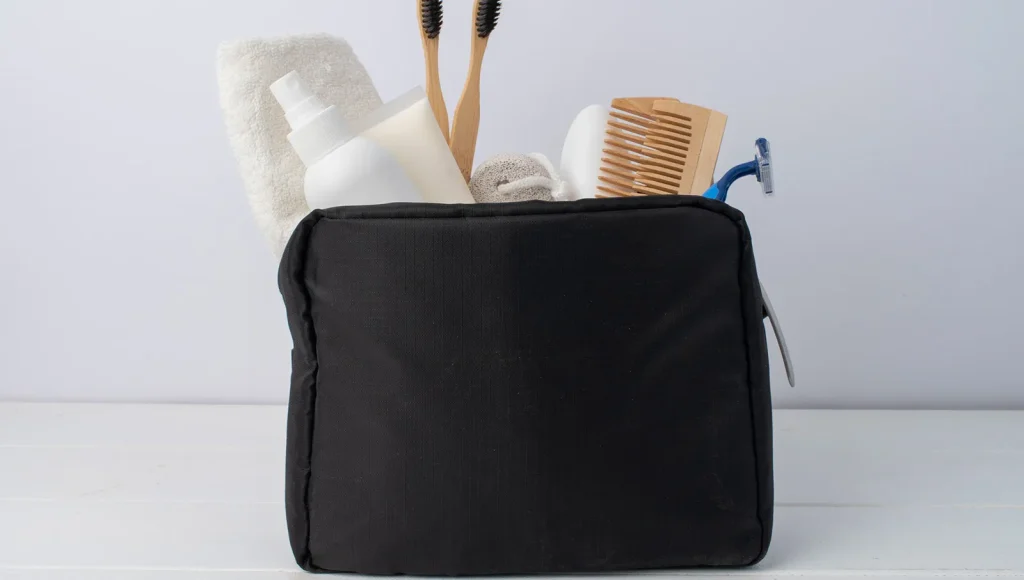
A toiletry bag keeps everything in one place. A bag with a hook is very helpful because you can hang it on doors, shower rails, or small-bathroom hooks.
Sun Cream
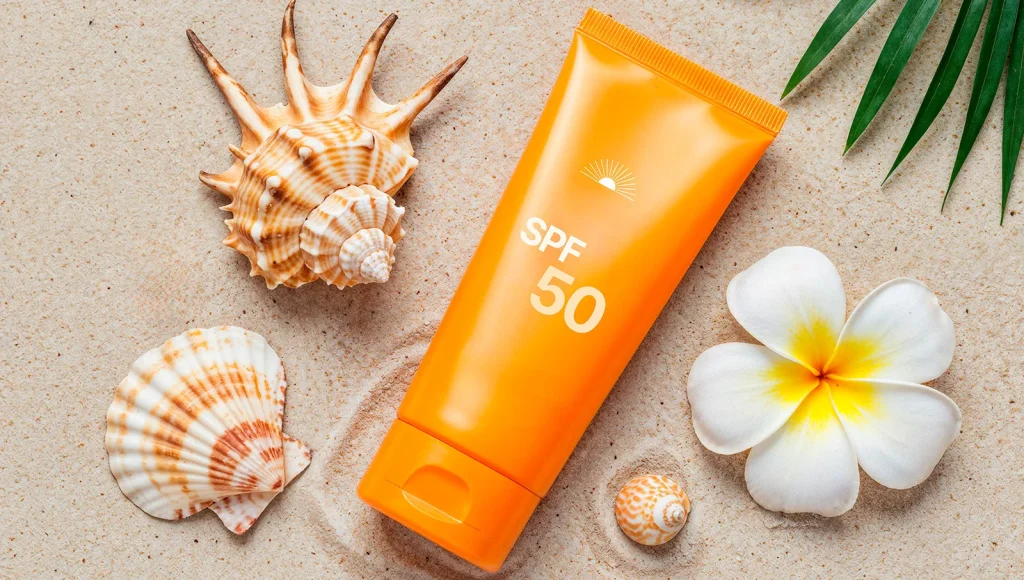
Sun cream protects your skin from burning, peeling, and long-term damage. Even cloudy days can cause sunburn, especially in tropical countries. Carry at least one bottle with you.
Travel Grooming Kit

A small grooming kit usually includes nail clippers, tweezers, scissors, and a tiny mirror. These tools help you handle minor issues such as broken nails, splinters, or loose threads.
Shaving Items
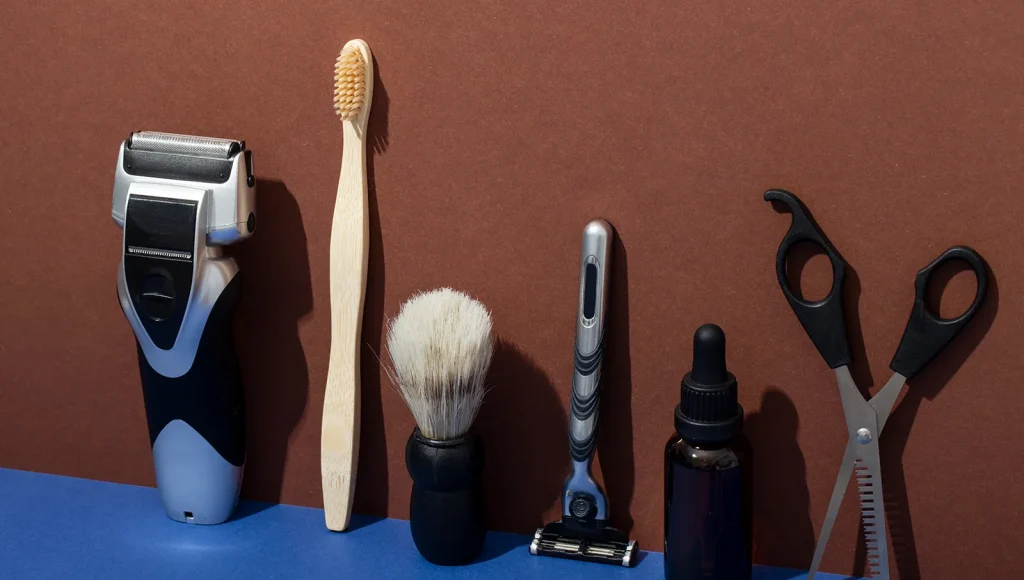
If you shave, pack your basic shaving tools. Choose lightweight items and avoid heavy foam bottles. Small refillable bottles or solid bars save space and weight.
Body Wash
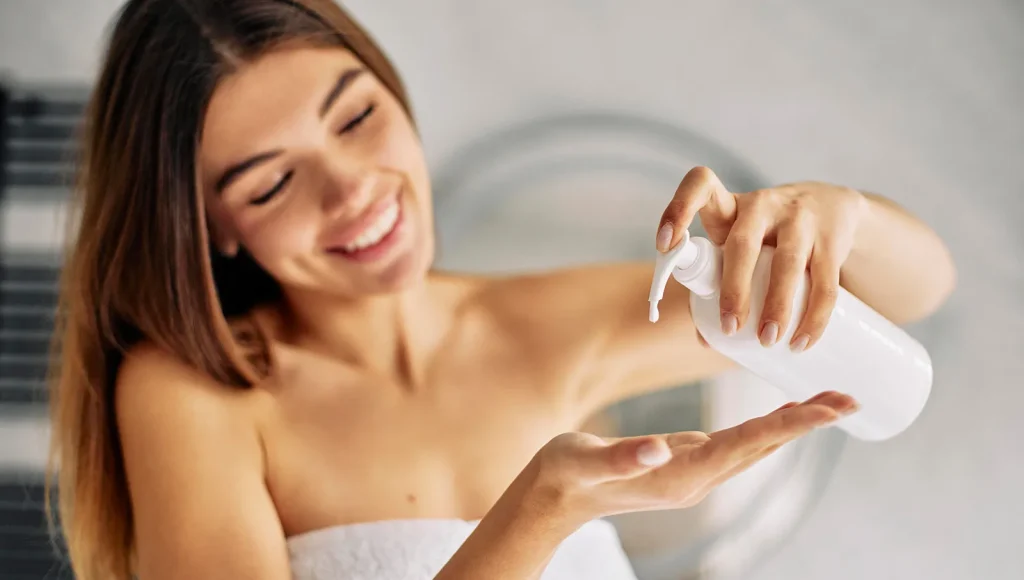
Body wash keeps your skin clean after long travel days. Choose a small bottle to begin with. Many backpackers switch to solid soap bars because they do not leak and last longer. Solid soap is easier to carry and simplifies packing.
Shampoo and Conditioner
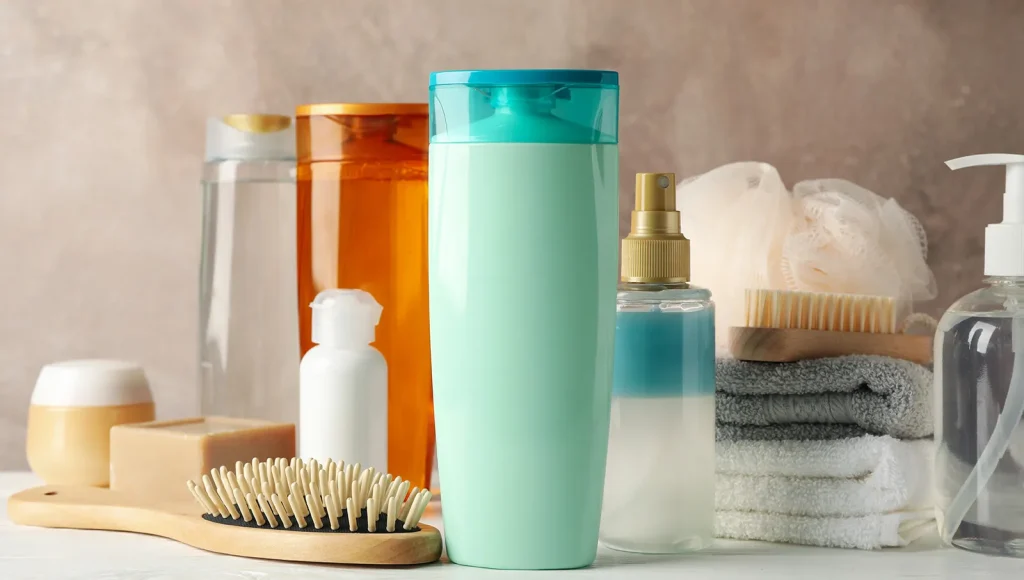
Hair gets dusty, sweaty, and dry on long trips. A small bottle of shampoo and conditioner helps keep your hair healthy. Once you arrive, you can buy local brands, which are often cheaper and lighter.
Deodorant
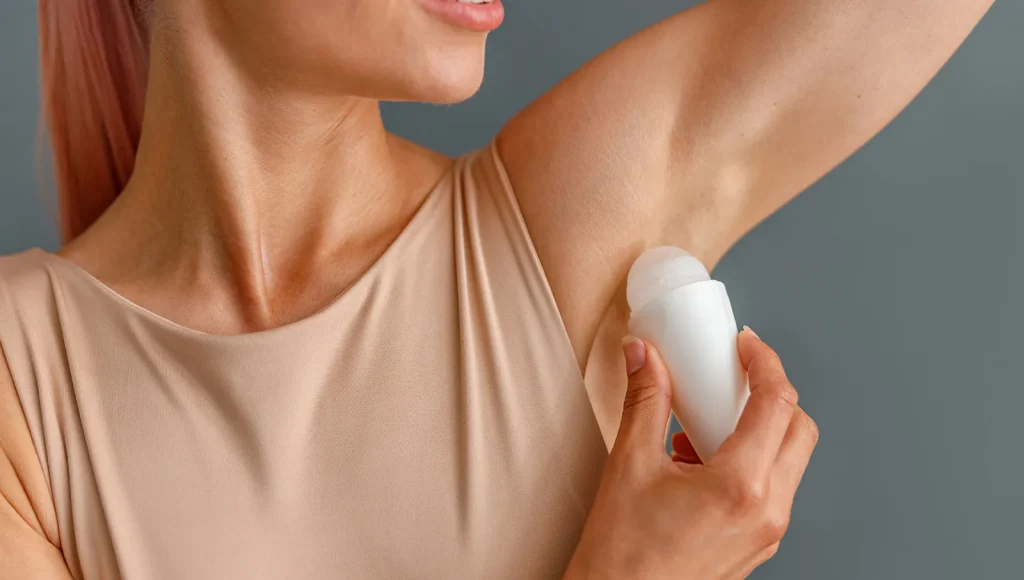
Deodorant is essential, especially in warm climates. It helps you feel fresh and confident in close quarters such as buses, trains, and shared rooms. Stick or roll-on versions usually pack better than spray bottles.
Toothbrush and Toothpaste
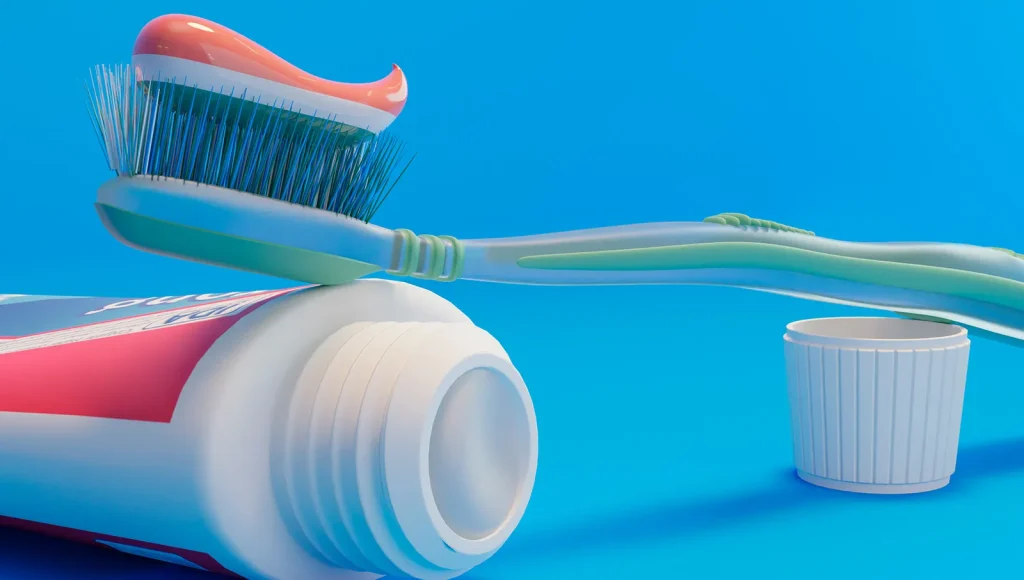
Basic, but very important. Your mouth feels better when it’s clean, and your body feels healthier, too. Carry travel-size toothpaste to save space and refill when needed.
Sanitary Products
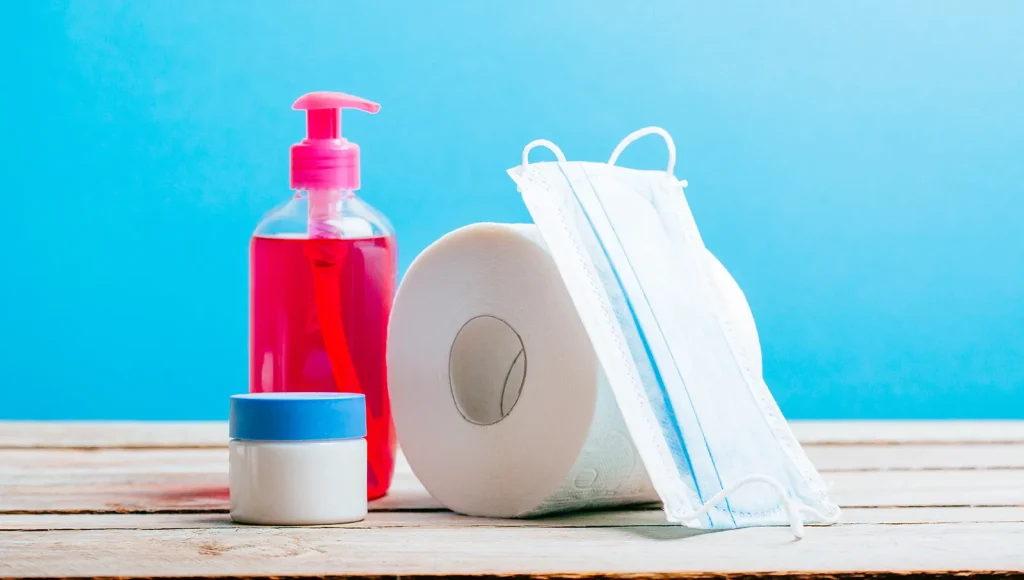
If you use sanitary items, pack enough to cover your first few weeks. Some brands may be hard to find in certain countries. Reusable products also save space and reduce the need to buy supplies often.
Everyday Travel Items
These are the items that quietly hold your whole trip together.
Mobile Phone
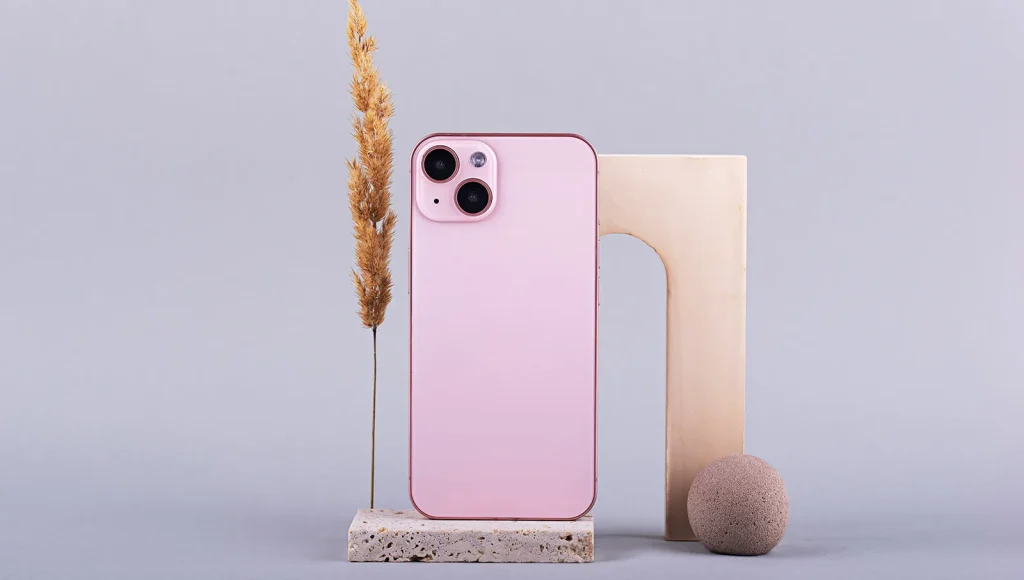
Your phone becomes your map, your camera, your translator, your ticket holder, and your emergency contact all in one. It helps you book rooms, check transportation, request assistance, and stay in touch with people back home. Keep it safe. Protect it with a case. Back up your photos regularly. Keep a watch with you in case your phone dies, so you are aware of the time.
Wallet or Purse
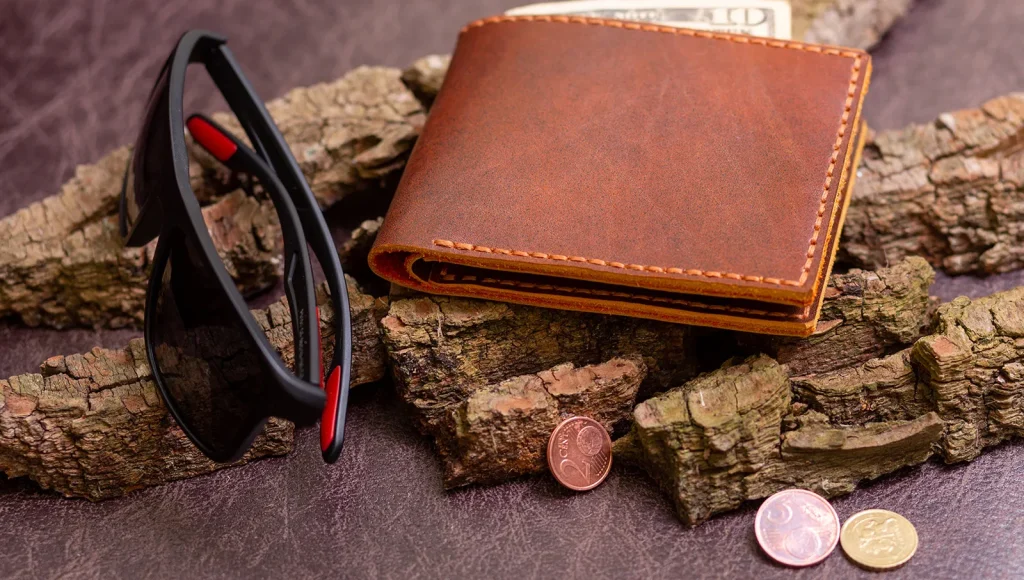
Your wallet should carry more than just cash. It should hold your main bank card, a backup card, some local money, and a small amount of US dollars for emergencies. Keep your wallet simple and slim. Thick wallets are easier to lose and harder to hide safely.
Chargers
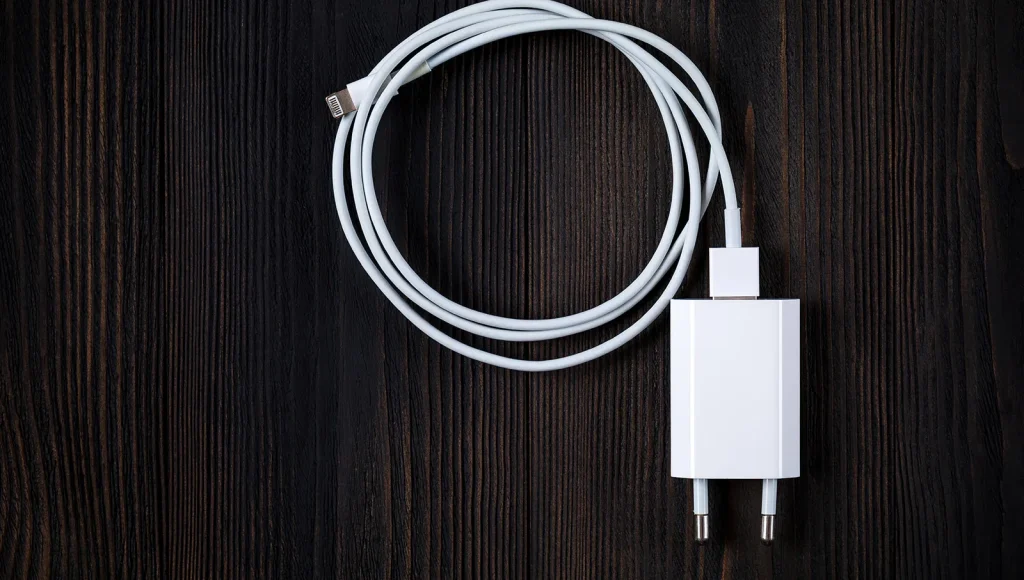
Every device needs power. Carry the correct chargers for your phone, camera, and any other electronics you use. Losing a charger can leave you stuck without maps, tickets, or contacts. Pack all chargers in a single small pouch to keep them together. Also, keep a power bank with you.
Also, carry a universal power adapter.
Earphones
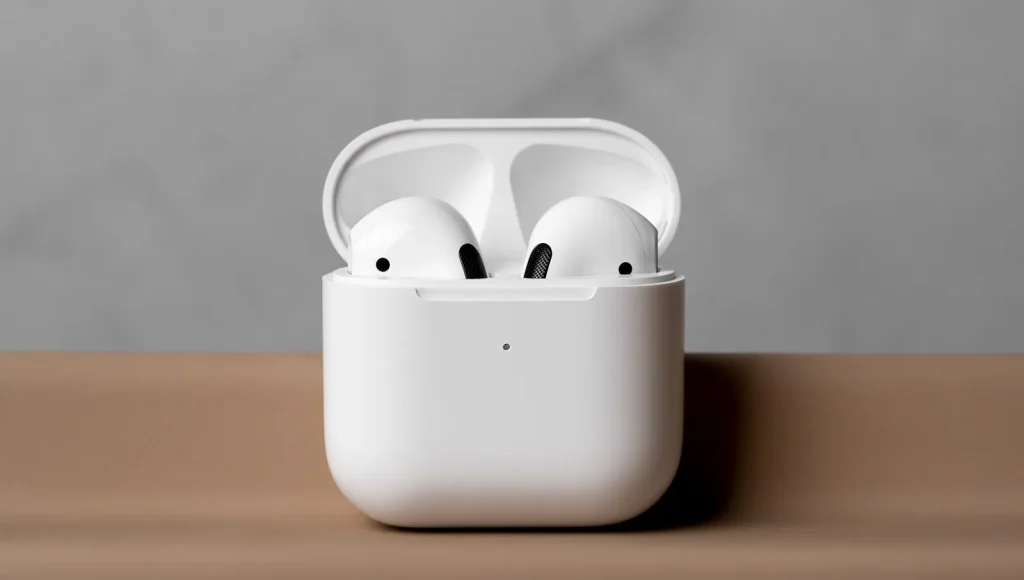
Earphones help you listen to music, watch videos, take calls, and block noise in shared rooms. Choose small and simple ones. They take up little space and make travel days feel calmer.
Also, keep earplugs with you to protect your sleep, as hostels can be noisy.
Travel Wash
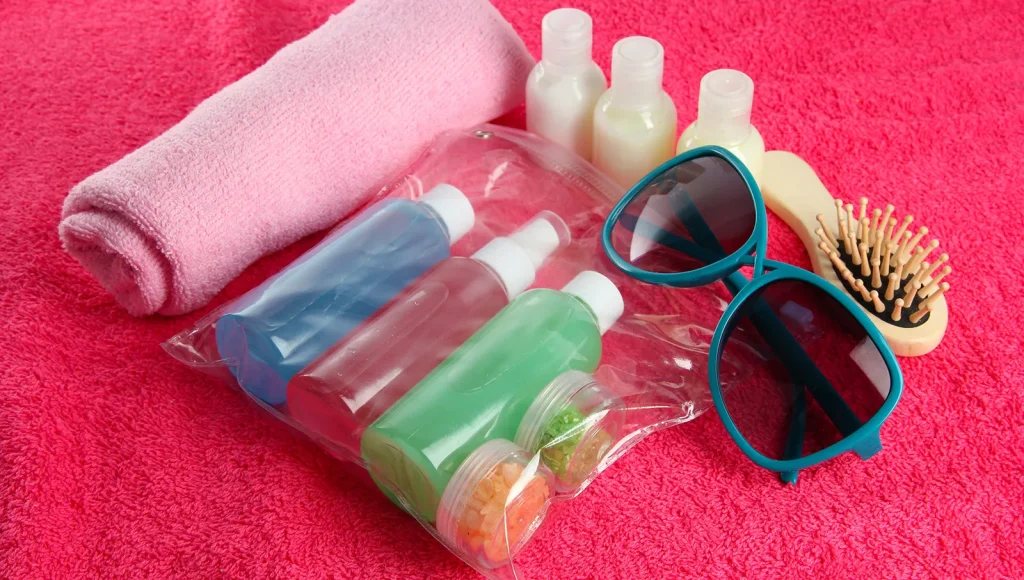
Travel wash is a small bar of soap designed for washing clothes in sinks. It helps you clean socks, shirts, and underwear quickly when laundry services are not nearby.
Head Torch
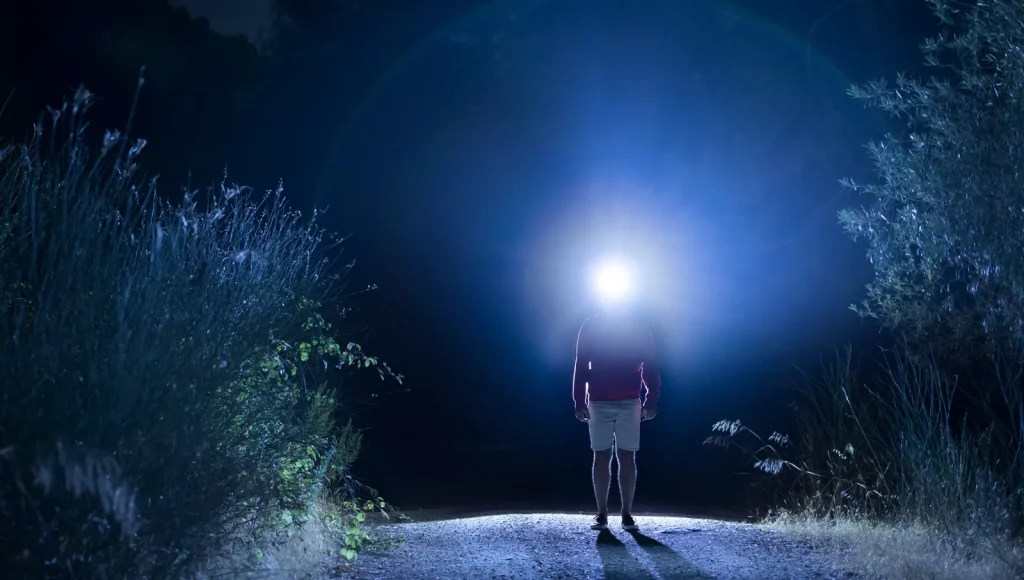
A head torch is a small light that straps onto your head. It keeps your hands free while you see in the dark. It is helpful in dorm rooms, late-night packing, camping, and dark staircases.
Water Bottle
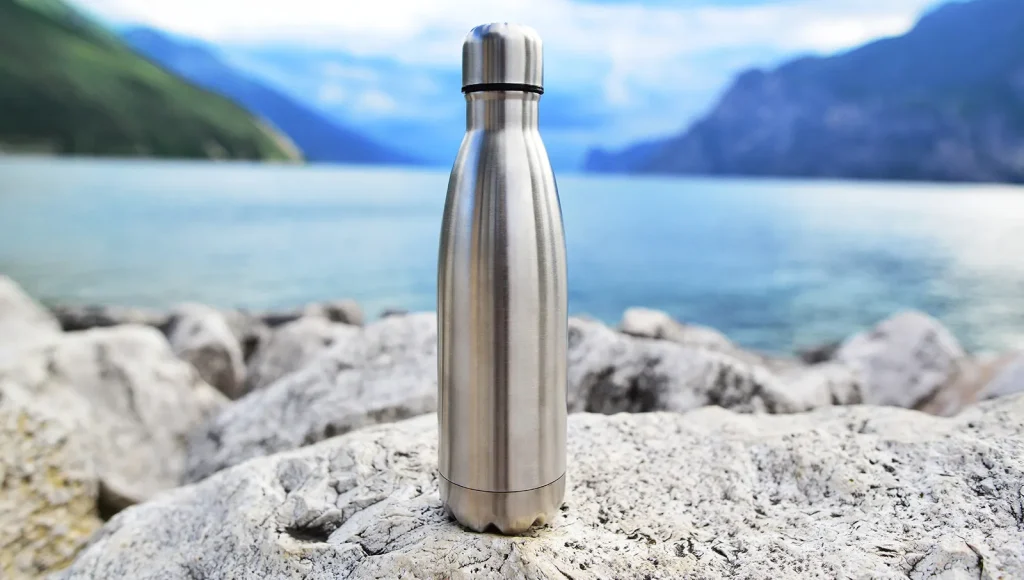
A reusable water bottle keeps you hydrated and saves money. Some bottles include filters that clean water so you can drink safely in more places. Staying hydrated keeps your energy strong.
Locks
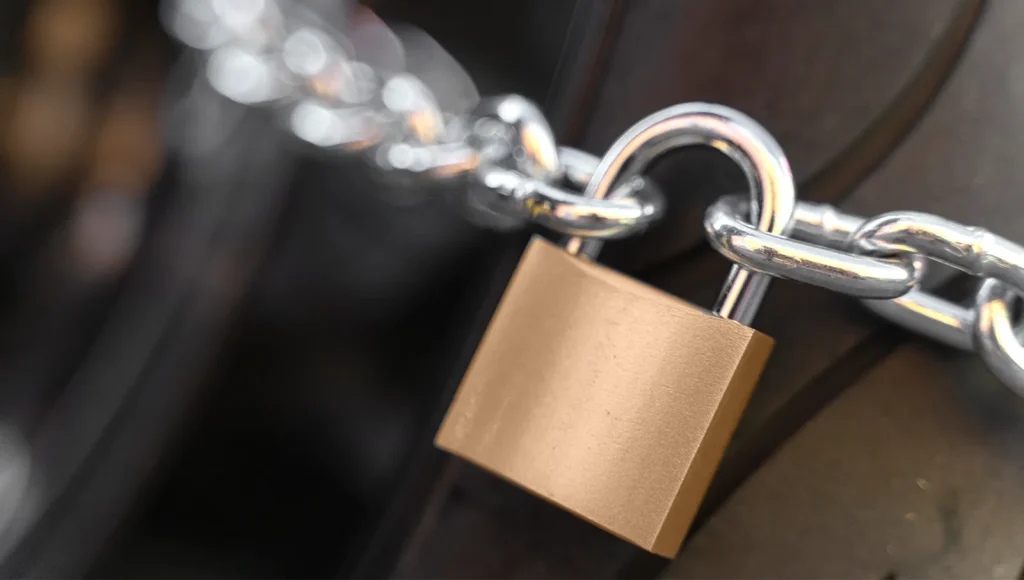
Locks protect your bag and your belongings. Many hostels offer lockers but do not provide locks. Choose number-combination locks so you do not have to worry about losing keys.
Medical and Health Items
Health items may look small, but they protect your whole retreat. They help you heal quickly, avoid panic, and continue travelling instead of being forced to stop. Many backpackers learn this lesson only after getting sick in a new country. It is always better to be ready before anything happens.
Basic First Aid Kit
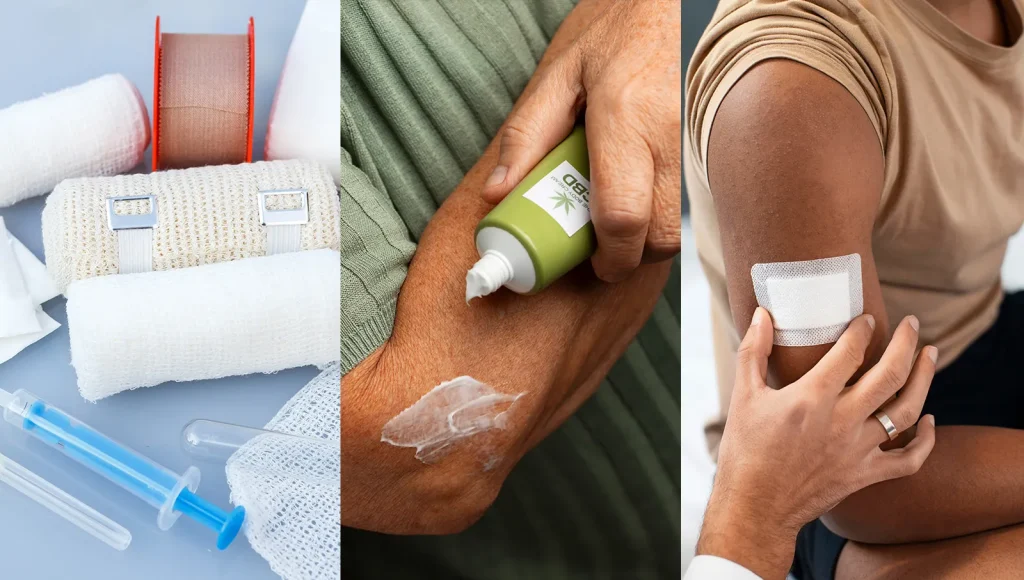
A small first-aid kit saves you from hunting for pharmacies in strange places. It should include:
- Plasters
- Bandages
- Antiseptic cream
- Burn gel
- Wound strips
These items help with cuts, blisters, burns, and small accidents.
Tablets
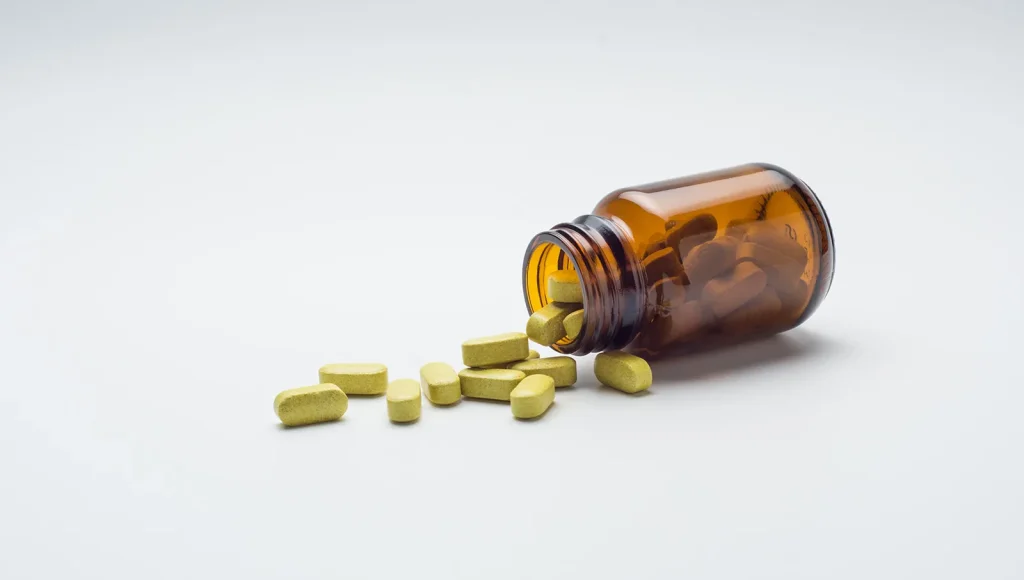
Carry simple pain relief tablets like paracetamol or ibuprofen. They help with headaches, muscle pain, fever, and body aches after long travel days. Anti-diarrhoea tablets help your body recover and prevent dehydration.
Bring all medicines you personally need. Carry them in their original packaging with prescriptions if required. Never depend on finding the same medicine abroad.
Important Documents
Your documents are your identity when you travel. Without them, even minor problems can stop your trip in its tracks. Always keep paper copies as backups. Phones can run out of battery, lose signal, or get lost.
Document Folder
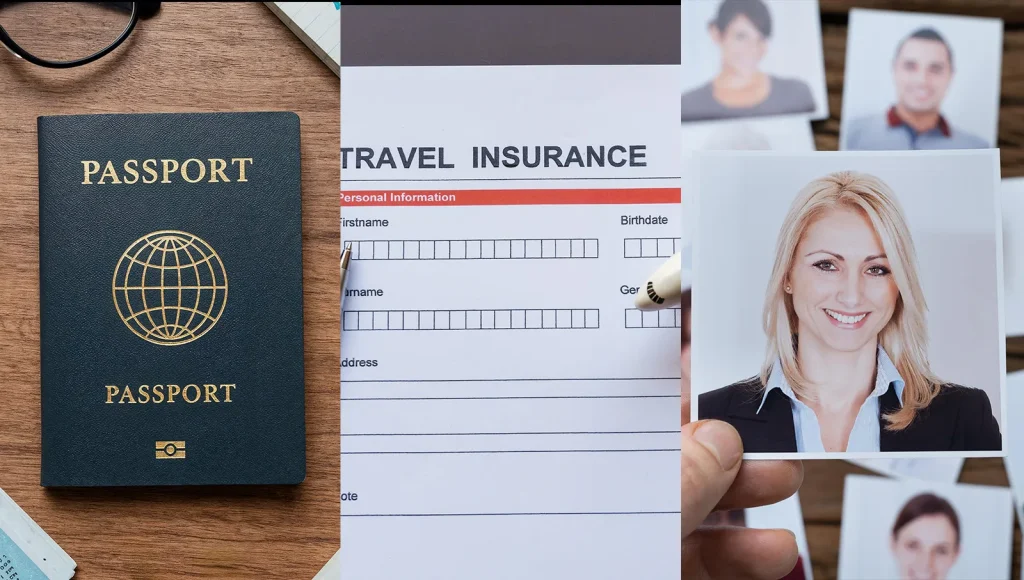
A simple folder keeps all papers flat, clean, and safe.
- Passport: Your passport is your main travel ID. Keep it protected in a waterproof sleeve.
- Travel Insurance Papers: These documents help if you get sick or injured or if you lose belongings. Always keep a printed copy.
- Tickets and Bookings: Print copies of flight tickets, hotel bookings, and tour confirmations.
- Visa Papers: Some borders still ask for printed visas.
- Spare Passport Photos: These are often needed for visa applications or for replacing a lost passport.
- Document Copies: Make copies of your passport, visa, and insurance. Keep one copy in your bag and leave another with someone you trust at home.
For Emergency Numbers, write down your local emergency numbers, your embassy contact, family phone numbers, and your Immunisation Record.
Conclusion
Backpacking becomes simple when your bag carries only what truly helps you. Every item should make your days easier, not heavier. For more independent travel guides, route ideas, and practical planning advice, you can also explore Unusual Nomad travel guides. When your backpack feels light, walking feels lighter too. You enjoy more moments instead of counting steps. A well-packed bag keeps your body light and your mind at ease. Your travel backpack isn’t just storage; it’s your companion, carrying everything you need for a smooth, carefree journey.
It is your daily support system. When it is packed with care, your whole journey feels calmer, safer, and more open to beautiful surprises.
FAQs
How many clothes should a backpacker really carry?
Most backpackers only need enough clothes for 5 to 7 days. You can wash and repeat instead of carrying extra weight.
Is a sleeping bag always necessary?
No. In most hostels and guesthouses, bedding is provided. Sleeping bags are only needed for camping or very cold areas.
Can everything fit into one backpack?
Yes. With smart packing, almost everything fits into one main backpack and a small day bag.
What makes a backpack feel heavy even when it isn’t?
Poor weight distribution and improper bag fit can make even lightweight bags feel heavy.